
Guides guide
How Much THC Should I Take?
The right THC dose is personal. No chart gives you a number that works for everyone. Here is how to find your own starting point and adjust from there.
Quick answer
For gummies: 2.5–5mg delta-9 is a legitimate starting point for beginners. For vapes: one short draw (2–3 seconds). For tinctures: 0.5ml of a 5–10mg/ml formulation. These are conservative starting ranges, not targets.
Tolerance, body weight, metabolism, food intake, and prior experience all affect where a dose lands for you. The only data that matters is your own — and the only way to get it is to start low and observe.
Use the THC Dosage Calculator to help think through a starting range based on your specific factors. The output is a starting point for self-education, not a prescription.
Key takeaways
- There is no universal right dose. A dose that is barely perceptible for one person can be overwhelming for another.
- Start lower than you think you need to. You can always take more in a future session; you cannot un-take what you have already consumed.
- Regular use builds tolerance. Tolerance breaks (1–2 weeks of abstinence) significantly reduce the dose needed and are the most effective reset tool.
Products worth comparing
Products to consider
These products match the topic covered above. Always verify current pricing and availability before purchasing.
| Product image | Product | Best For | Lab Tested | Price | Shop |
|---|---|---|---|---|---|
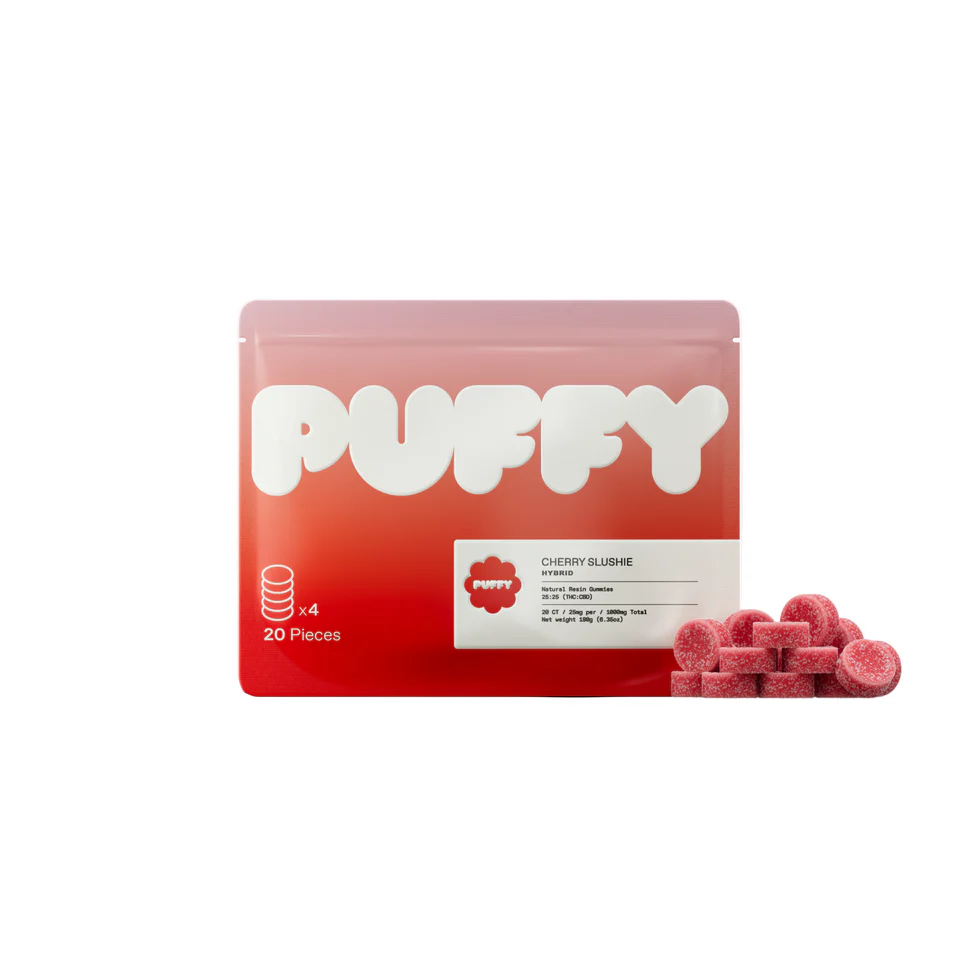
| Cherry Slushie Live Resin THC GummiesPuffy | Hybrid live resin gummy with 25mg CBD and 25mg Delta-9 THC listed. A balanced option for shoppers comparing equal-part THC and CBD formulas. | Yes | $34.95 | Check price at Puffy (opens in new tab) |
Related topic
Explore the THC Guides hub
Not sure where to start? These foundational guides explain how different cannabinoids work, how to figure out your dose, and what to expect from edibles, vapes, and tinctures — before you buy anything.
Open THC GuidesHelpful tools
Best for
Anyone trying to establish a starting dose for hemp THC, or anyone who has taken too much and wants to understand why it happened.
Most important rule
Start lower than you think you need to. The most common dosing mistake is starting too high, not too low.
Tool recommendation
Use the THC Dosage Calculator to build a personalized starting range based on format, experience level, and relevant factors.
Why there is no universal right dose
THC affects people differently for a set of reasons that are genuinely individual. The same 10mg gummy taken by two people at the same time can produce one person's comfortable evening and another person's overwhelming experience. This is not marketing language — it is a pharmacological reality with identifiable causes.
Cannabinoid receptors vary in density and distribution between individuals, partially due to genetics. Tolerance built through prior use is the most significant variable — an occasional user and a daily user respond to the same dose completely differently. The rate at which your liver processes THC (via the CYP450 enzyme system) varies between people, affecting both the speed and intensity of effects from edibles. Body composition affects how THC distributes in fat tissue. The list of variables is real.
None of this means you cannot find a dose that works for you. It means the path to finding it is through personal calibration — starting conservatively, documenting your response, and adjusting deliberately over multiple sessions. Published dose ranges are starting points, not destinations.
Starting dose guidelines by format
For gummies and edibles: 2.5mg to 5mg delta-9 THC is the standard starting range for beginners. 2.5mg is appropriate for highly sensitive individuals or anyone with no prior experience. 5mg is a common beginner starting point. Products dosed at 10mg+ are appropriate for users with established tolerance — not for first or infrequent sessions. After taking your first gummy, wait 90 minutes before assessing whether to take more. The delayed onset is the most common source of accidental overconsumption.
For vapes: a single draw of 2 to 3 seconds is the appropriate starting point. This is an imprecise measurement by nature — vape dosing requires calibration over multiple sessions. The 10 to 15 minute window between draws is the practical equivalent of the edible onset wait. Take one draw, wait 10 to 15 minutes, assess. A single draw from most vapes at standard settings delivers a meaningful but manageable dose for most users starting out.
For tinctures (sublingual): 0.5ml of a 5–10mg/ml formulation delivers 2.5–5mg of delta-9 THC — in the same range as the starting gummy dose. Hold under the tongue for 60 to 90 seconds before swallowing. Wait 30 to 45 minutes before assessing. The sublingual onset is faster than gummies but still requires patience. Use the THC Dosage Calculator for a starting range calculation that accounts for your specific concentration and target dose.
Factors that affect your personal dose
Tolerance is the most significant variable. Regular users need substantially more than occasional users to achieve the same effect. If you have not used cannabis or hemp THC products in weeks or months, your tolerance has reset significantly and you should treat your next session like a first session — regardless of what your typical dose used to be.
Body weight is a rough guide at best. Higher body weight can correlate with higher volume of distribution for THC (since it accumulates in fat tissue), but the relationship is not a formula. Do not use body weight as a primary dose calculator — it is one input among many and has limited predictive value on its own.
Food intake affects edible onset and intensity. Consuming an edible on an empty stomach generally produces faster, slightly more intense effects. Consuming after a fatty meal can both slow onset and, for some users, enhance the absorption of fat-soluble THC. The effect varies by individual and is less predictable than the basic onset window variability already present in edibles. The practical note: your response may vary between sessions if your eating pattern differs.
How to adjust based on experience
After your first session, you have data: you know approximately what a given dose feels like at your current tolerance level, in your current context. Use that data. If 5mg produced a clear, comfortable effect, that is a working dose. If 5mg produced almost nothing, a 7.5mg or 10mg step in the next session is defensible. If 5mg produced more than you wanted, 2.5mg is the right step back.
Adjust one variable at a time. If you increase dose, keep everything else the same (same format, same food context, same time of day). Changing format and dose simultaneously makes it impossible to know which variable produced the difference you experienced.
Tolerance management is an ongoing consideration for regular users. Consuming the same dose regularly means tolerance builds, and the dose needed for the same effect increases over time. Periodic tolerance breaks — 1 to 2 weeks of abstinence — significantly reduce tolerance and often restore the effectiveness of a lower starting dose. This is the most reliable and cost-effective approach to long-term dosing management.
Buyer checklist
- Identify your format (gummies, vapes, tinctures) before thinking about dose — format determines onset timing and dose precision.
- Plan your first session for a time with no obligations and a comfortable, familiar environment.
- Set a timer when you consume an edible and commit to waiting 90 minutes before taking more.
- Document your dose and response in each of the first several sessions — memory is unreliable.
- Use the THC Dosage Calculator for format-specific starting range guidance.
Sources and update notes
How this guide is maintained
Last reviewed: July 24, 2026
- This guide is reviewed periodically for product availability, cannabinoid terminology, claim restraint, and legal-awareness framing.
- Product prices, formulations, COAs, ingredients, and retailer policies can change after publication. Verify current details with the retailer before purchasing.
- Health, dosage, drug-testing, and timing discussions are educational only and are not a substitute for advice from a licensed professional.
Frequently asked questions
What is a good first dose of THC?
For gummies: 2.5 to 5mg delta-9 THC. For vapes: one short draw (2 to 3 seconds), wait 10 to 15 minutes before taking more. For tinctures: 0.5ml of a 5–10mg/ml formulation held sublingually for 60 to 90 seconds. These are starting points for establishing your personal baseline — not targets to match or exceed. Use the THC Dosage Calculator for format-specific guidance.
Does body weight affect THC tolerance?
Body weight has a limited and indirect relationship with THC response. Higher body weight can mean more fat tissue for THC to distribute into, which may affect how quickly effects onset and how long metabolites remain detectable. But body weight is a poor primary predictor of the right dose — tolerance and prior experience are far more significant variables. Do not use body weight as a dosing formula.
How do I know if I took too much?
Signs that you consumed more than your tolerance comfortably supports: heightened anxiety, rapid heart rate, disorientation, or an overwhelming experience. These effects are temporary and not medically dangerous in otherwise healthy adults. Move to a comfortable space, drink water, breathe slowly, and wait. Reminding yourself the effects are temporary and will pass helps many people manage the experience. If CBD is available (without THC), some users find it moderating. Next session: reduce your dose significantly.
How do I reduce my THC tolerance?
A tolerance break is the most effective approach. One to two weeks of complete abstinence from all THC products significantly reduces tolerance for most users. After a break, start at a lower dose than your pre-break amount — often the original starting dose becomes effective again. Some users find their tolerance resets to near-baseline after a month of abstinence. Regular tolerance breaks are also a cost-effective strategy for users who use frequently.