
Gummies guide
Best Delta-9 Gummies
Finding a good hemp-derived delta-9 gummy comes down to four things: current lab reports, clear per-piece dosing, real ingredients, and a brand that ships to your state.
Quick answer
Hemp-derived delta-9 gummies are legal under the 2018 Farm Bill when the final product contains no more than 0.3% delta-9 THC by dry weight. A 5-gram gummy can legally contain up to 15mg of delta-9 THC and still qualify.
The biggest differentiator between good and bad products is lab transparency. Look for current Certificates of Analysis from independent, accredited labs that show cannabinoid content and contamination screening.
Dose matters more than brand. For new users, 5mg is a legitimate starting point. Edibles take 30–90 minutes to kick in — the most common mistake is taking more before the first dose has had time to work.
Key takeaways
- A published COA from a third-party accredited lab is the minimum standard for any delta-9 gummy worth purchasing.
- Per-piece dosing clarity matters more than total package milligrams — you need to know exactly how much THC is in each piece before you start.
- Edibles have a significantly delayed onset compared to smoked products. Start low, wait at least 90 minutes, and do not redose based on not feeling effects quickly.
Products worth comparing
Products to consider
These products match the topic covered above. Always verify current pricing and availability before purchasing.
| Product image | Product | Best For | Lab Tested | Price | Shop |
|---|---|---|---|---|---|
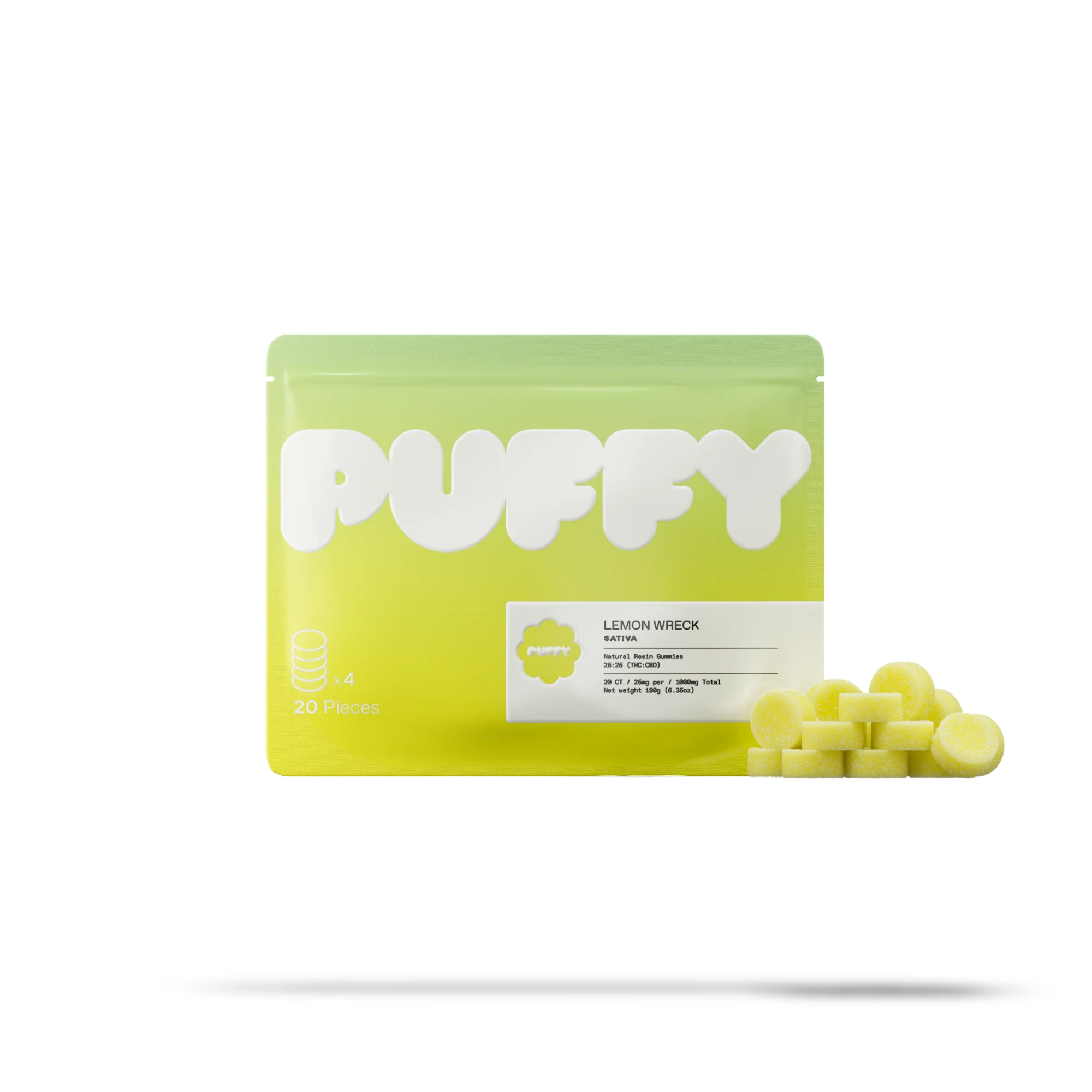
| Lemon Wreck Live Resin THC GummiesPuffy | Sativa-positioned live resin gummy for daytime shoppers comparing Delta-9 with CBG and THCV support. Best for users who already understand edible timing. | Yes | $34.95 | Check price at Puffy (opens in new tab) | |
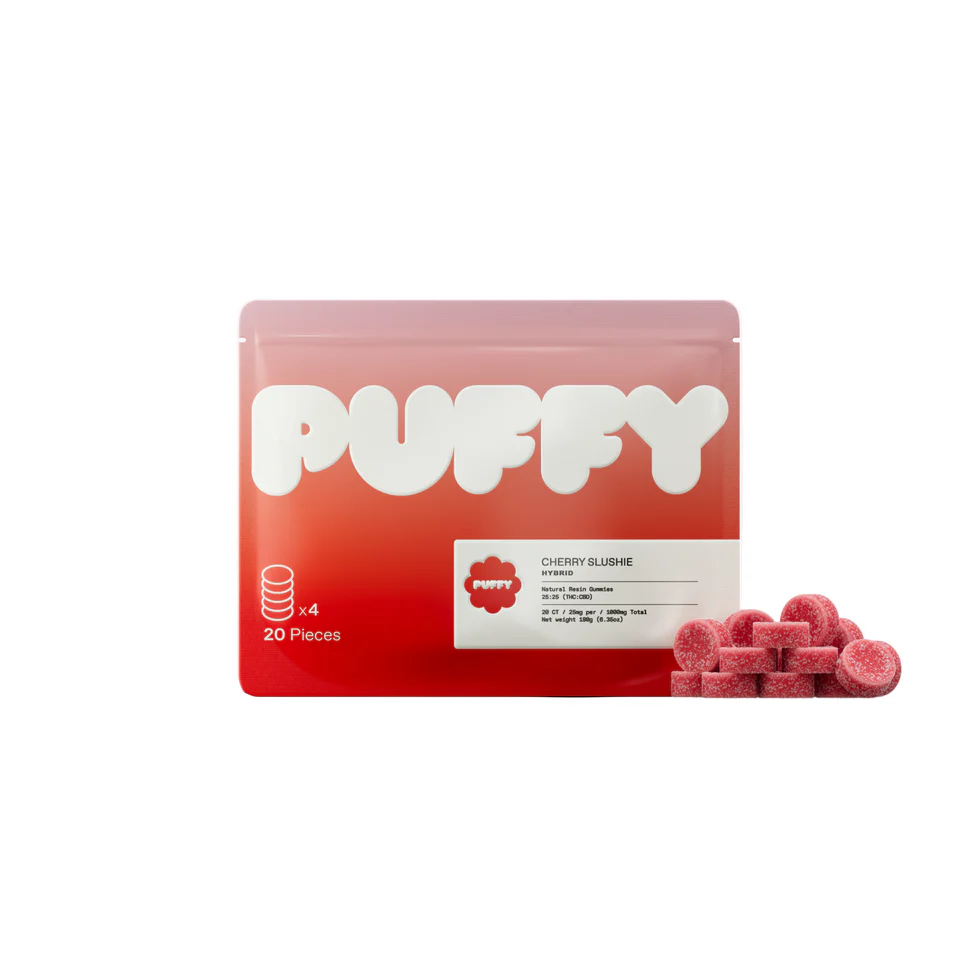
| Cherry Slushie Live Resin THC GummiesPuffy | Hybrid live resin gummy with 25mg CBD and 25mg Delta-9 THC listed. A balanced option for shoppers comparing equal-part THC and CBD formulas. | Yes | $34.95 | Check price at Puffy (opens in new tab) | |
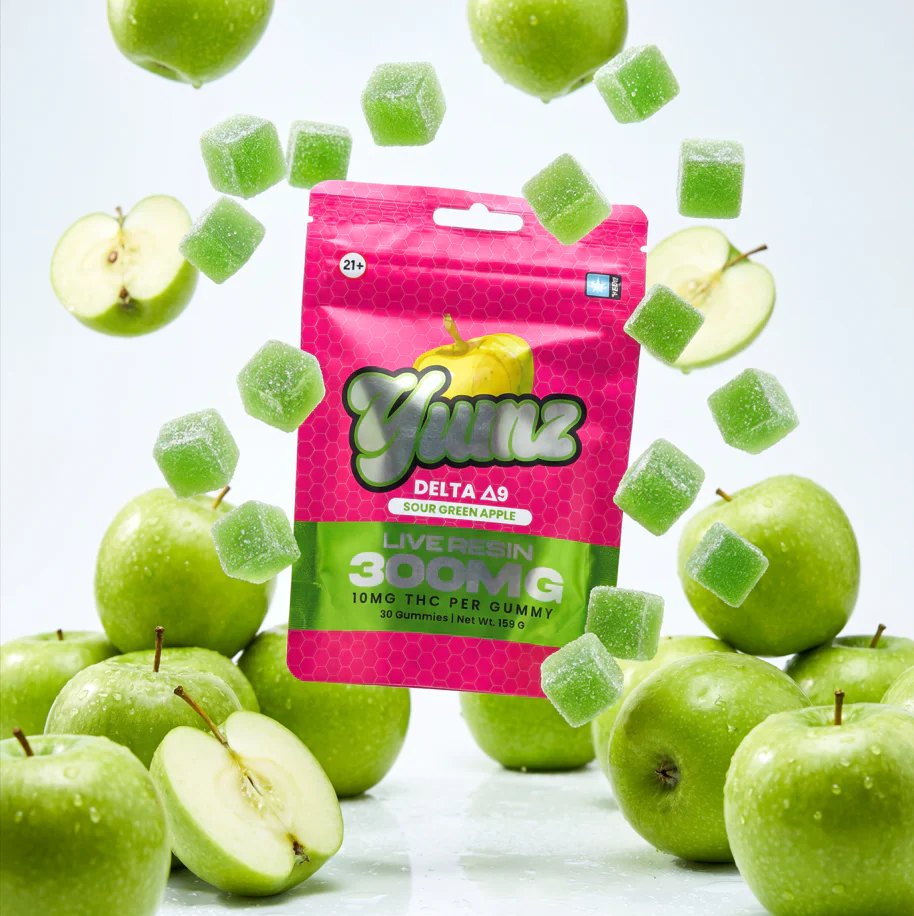
| Sour Green Apple Delta 9 GummiesYumz Labs | Delta-9 gummy for shoppers comparing a straightforward THC edible with a fruit-forward flavor profile and moderate price point. | Yes | $39.99 | Check price at Yumz Labs (opens in new tab) |
Related topic
Explore the THC Gummies hub
Hemp-derived delta-9 gummies are one of the most accessible THC formats — available online, clearly dosed, and covered by Farm Bill hemp rules. This hub covers beginner options, sleep formulas, high-dose picks, and budget comparisons.
Open THC GummiesProduct shortcut
Want products instead?
If you already know what format you want, jump straight into the matching product category.
Browse THC GummiesBest for
Adults looking for a clear framework to evaluate hemp-derived delta-9 gummies before clicking into specific product pages.
Most important check
A current, independent COA confirming delta-9 THC content, a full cannabinoid panel, and contaminant screening results.
Biggest risk
Buying based on price or marketing without checking lab documentation, then misjudging dose due to the delayed onset that edibles have compared to smoked products.
How they compare
Lab documentation
This is the non-negotiable first filter. No COA means no purchase. Outdated or in-house testing is nearly as problematic.
Dosing transparency
You cannot dose responsibly without knowing how much THC is in each piece. Vague labeling is a meaningful red flag, not a minor formatting detail.
Formula and ingredients
Ingredient quality is easier to evaluate than most buyers expect. Compare the ingredient list the same way you would for any supplement or food product.
Price signal
Unusually low prices in this market typically correlate with corner-cutting on extract quality or testing frequency. Documentation quality is a more reliable signal than price.
How hemp-derived delta-9 gummies work and why they are legal
Hemp-derived delta-9 gummies are a product category created by the math of the 2018 Farm Bill. The law allows hemp products containing up to 0.3% delta-9 THC by dry weight. Because gummies are relatively heavy — a standard piece weighs several grams — 0.3% by dry weight translates to meaningful milligram quantities. A 5-gram gummy can legally contain up to 15mg of delta-9 THC and still qualify as a hemp product under federal law.
The result is a product that delivers genuine psychoactive effects, is widely available online and in retail stores, and operates in a legal category distinct from state-licensed cannabis dispensaries. The experience is comparable to an edible from a licensed recreational shop — because the active compound is the same. The differences are regulatory context and product quality consistency, not chemistry.
That context matters when evaluating products. Because hemp-derived delta-9 gummies are not subject to the same state-level testing requirements as licensed cannabis, quality depends entirely on whether a brand voluntarily pursues rigorous independent testing. The best brands do. Many do not. Knowing how to tell the difference is the whole game.
What separates a good delta-9 gummy from a bad one
Lab documentation is the first filter and the clearest one. A Certificate of Analysis from an accredited, independent laboratory should confirm the delta-9 THC content matches the label, show the full cannabinoid profile, and include screening for pesticides, heavy metals, and residual solvents. The lab should have no financial relationship with the brand selling the product. The COA should be recent — within the past six months is solid; within twelve months is acceptable; older than that is a concern.
Dosing clarity is the second filter. The per-piece milligram count should be clearly labeled and verifiable against the COA. Brands that list only total-package milligrams without breaking it down per serving make responsible dosing unnecessarily difficult. This is not a minor formatting preference — it directly affects how safely you can use the product.
Ingredients matter more than most buyers realize. Better products use clean, recognizable components: pectin or gelatin, fruit juice or natural flavors, and minimal additives. Long ingredient lists heavy on artificial dyes, synthetic compounds, or undefined "proprietary blends" are worth questioning. You are ingesting this product — the standard for what is in it should be as high as anything else you put in your body.
Dosing guidance for anyone new to edibles
Edibles behave differently from smoked or vaped products in one critical way: onset is delayed. Depending on your metabolism, body weight, and whether you have eaten recently, it can take anywhere from 30 minutes to two hours to feel the effects of a delta-9 gummy. This is the most common cause of overconsumption.
The pattern is familiar: someone takes a 10mg gummy, feels nothing after 45 minutes, takes another, and ends up far more affected than intended when both doses hit simultaneously. Starting with 5mg and waiting a full 90 minutes — or longer — is not timidity. It is the correct approach for a product with this onset profile.
Tolerance also varies enormously between individuals. 5mg is a meaningful dose for a new user; an experienced consumer might find it barely noticeable. Products in the 2.5mg range exist specifically for beginners. There is no universally right dose — the goal is to find the minimum effective amount for your specific situation, which requires starting low and adjusting deliberately over multiple sessions.
Red flags to watch for when evaluating brands
No published COA, or a COA that is more than a year old, is the clearest reason to pass. Some brands make lab results intentionally difficult to find. If you cannot locate current third-party testing within a few clicks on a brand's website, there are better options available.
Unusually low prices are worth scrutinizing. Producing quality hemp extract and running rigorous third-party testing has real costs. Brands pricing significantly below the market average are typically cutting costs somewhere — usually on extract quality, testing frequency, or both. Price is not the primary filter, but dramatic underpricing is a legitimate signal.
Vague marketing language — "natural," "pure," "premium" — without supporting documentation is common across this market and not inherently disqualifying. But it should never substitute for actual lab data. The claims that matter are the ones backed by current certificates, not brand copy.
Buyer checklist
- Find the COA before you buy — it should be current (within 12 months), from an independent lab, and confirm delta-9 THC below 0.3% by dry weight.
- Check per-piece dosing, not just total package milligrams. Know whether each gummy contains 5mg, 10mg, or more.
- Read the ingredient list. Prefer products with clean, recognizable ingredients over long lists of artificial additives.
- Verify the brand ships to your state — some states have hemp-derived THC restrictions.
- Start with the lowest available dose on a new product and wait a full 90 minutes before considering a second serving.
Browse hemp delta-9 gummies on Amazon
If you shop Amazon for hemp-derived gummies, use product filters and verify testing information yourself before purchasing.
Elevated Guide may earn a commission on qualifying purchases through Amazon affiliate links. Always verify COAs and local laws before purchasing.
Sources and update notes
How this guide is maintained
Last reviewed: July 24, 2026
- This guide is reviewed periodically for product availability, cannabinoid terminology, claim restraint, and legal-awareness framing.
- Product prices, formulations, COAs, ingredients, and retailer policies can change after publication. Verify current details with the retailer before purchasing.
- For THCA, Delta-8, Delta-9, and other hemp-derived THC products, state law and total THC rules may affect whether a product is available or appropriate to buy.
Frequently asked questions
Are hemp-derived delta-9 gummies legal?
Under the 2018 Farm Bill, hemp products containing no more than 0.3% delta-9 THC by dry weight are federally legal. Hemp-derived delta-9 gummies are formulated to meet this threshold. Individual states may have additional restrictions on hemp-derived THC products — check your state's current hemp regulations before purchasing.
How long does it take for delta-9 gummies to work?
Most people feel effects within 30 to 90 minutes, but onset can take up to two hours depending on metabolism, body weight, and whether you have eaten recently. Never redose because you do not feel effects quickly — wait a full 90 minutes minimum before considering a second serving.
What is a good starting dose for hemp delta-9 gummies?
5mg is a reasonable starting dose for new users. If you are particularly sensitive to THC or have no prior experience, 2.5mg is a responsible starting point. Higher doses (10mg, 15mg, 25mg) exist but are appropriate only for users with established tolerance. Always start low and adjust based on your actual experience across multiple sessions — not based on expectations or what you have read.
What should I look for in a COA for delta-9 gummies?
A useful COA should confirm: delta-9 THC content per serving and per package; the full cannabinoid profile; results from an independent accredited lab with no brand affiliation; a test date within the past 12 months; and screening results for pesticides, heavy metals, and residual solvents. The COA results should match what is on the product label.