Is Delta-8 Banned on November 12, 2026?
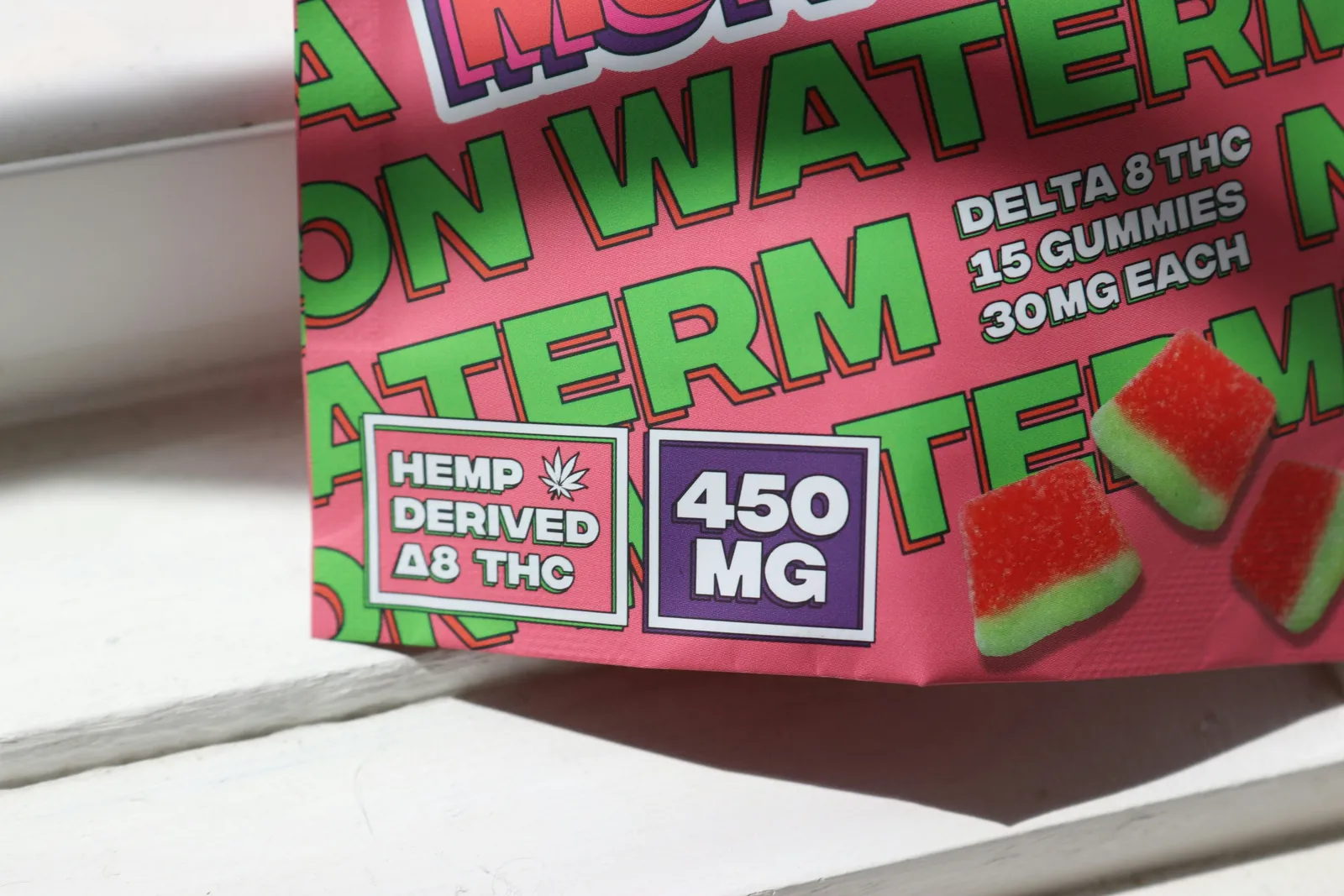
No. November 12, 2026 does not ban ordinary delta-8 THC. That date is for cannabinoids the cannabis plant cannot naturally produce. Commercial delta-8 is usually made from CBD outside the plant, and that category waits until December 11, 2026.
Quick answer
No. Public Law 119-103 keeps November 12, 2026 for products that contain cannabinoids the cannabis plant cannot naturally produce. Delta-8 THC is not in that group.
Commercial delta-8 is usually made by converting CBD outside the plant. Cannabinoids the plant can produce, but that were synthesized or manufactured outside it, are part of the rest of Section 781. CRS report IF13136 says those other portions take effect December 11, 2026.
A state can already restrict delta-8, and a product that also contains a cannabinoid the plant cannot produce can still fall on the November 12 date. This is educational, not legal advice.
Key takeaways
- November 12, 2026 is not a federal ban date for delta-8 THC.
- The plant can produce delta-8, including in trace amounts. Making it from CBD outside the plant does not move it into the November 12 category.
- December 11, 2026 is the federal date for the rest of the hemp rewrite, including cannabinoids synthesized outside the plant, the total-THC test, and the 0.4 mg per-container cap.
- State law can restrict delta-8 today. The federal calendar does not override a state ban.
Explore the Delta-8 Education hub
Delta-8 THC is a milder hemp-derived cannabinoid that appeals to users who find delta-9 too intense. This hub covers what delta-8 is, how it compares to delta-9, and what to look for in gummies and vapes.
Open Delta-8 EducationNovember 12
Cannabinoids the plant cannot naturally produce. Ordinary delta-8 THC is not in this group.
December 11
The date for cannabinoids the plant can make but that were synthesized outside the plant, plus the total-THC test and the 0.4 mg cap.
Your state
A federal date does not make a product legal where state law already restricts delta-8.
How they compare
Federal date
Delta-8 THC fits the second date, not the first.
How commercial delta-8 is made
Conversion does not make delta-8 a cannabinoid the plant cannot produce.
Whose rule controls
Check the state even when the federal answer is no.
The short answer
Ordinary delta-8 THC is not banned on November 12, 2026. Public Law 119-103, signed September 2, 2026, split the federal hemp rewrite. Section 2019 says that until December 11, 2026, Section 781 of Public Law 119-37 applies only to products described in 7 U.S.C. 1639o(1)(C)(ii)(I) and (iv)(I). Those clauses cover intermediate and final products that contain cannabinoids not capable of being naturally produced by a Cannabis sativa L. plant.
Delta-8 THC is capable of being produced by the cannabis plant. Putting it in a product by converting CBD does not change that. The November 12 exclusion is about the cannabinoid, not about whether a lab made the batch.
This page is educational, not legal advice. Congress could still change the law. A retailer's "Farm Bill compliant" line is not a determination.
Why converted delta-8 is not the November 12 category
Section 781 also excludes cannabinoids that are capable of being naturally produced by the plant but were synthesized or manufactured outside it. Public Law 119-103 does not name that exclusion in the November 12 list. CRS report IF13136, updated September 28, 2026, describes the November 12 piece as certain synthetic cannabinoids the plant cannot naturally produce, and says the other portions of the new hemp definition wait until December 11.
Commercial delta-8 is the usual example of the outside-the-plant category. The plant makes only trace delta-8, so the delta-8 in a gummy or vape is almost always converted from CBD. That manufacturing fact is why some readers expect a November 12 ban. The statute's November 12 clauses do not use that category.
CRS does not name delta-8. The conclusion that converted delta-8 waits until December 11 is a reading of which statutory clause the compound fits. It is not a sentence in the CRS report that says "delta-8 is legal until December 11."
What November 12 does cover
November 12, 2026 still matters. A product can carry a delta-8 name on the front and still contain a cannabinoid the plant cannot naturally produce. If it does, that product is in the group Section 2019 left on November 12. Read the cannabinoid panel, not only the marketing name.
The same date does not rewrite state law. States that already restrict delta-8, intoxicating hemp, or cannabinoids made by conversion do not have to wait for either federal date. The delta-8 explainer covers the older dispute, including the DEA's statement that synthetically derived tetrahydrocannabinols remain Schedule I controlled substances.
What changes on December 11
On December 11, 2026, the rest of Section 781 takes effect. That includes the exclusion for cannabinoids the plant can produce but that were synthesized or manufactured outside the plant, the total-THC test that counts THCA, and the 0.4 mg per-container cap on finished hemp cannabinoid products. CRS report IF13136 describes that delay. The December 11 deadline page and the H.R. 5371 explainer walk through the total-THC math.
Most retail delta-8 is made outside the plant, so December 11 is the federal date that reaches it. The total-THC percentage on a flower label is a different test. A delta-8 gummy can be low in THCA and still fail the hemp definition on December 11 because the delta-8 itself was synthesized outside the plant, or because the container exceeds the 0.4 mg cap.
Do not stock up on the theory that Congress will delay the date again. Longer delay bills have not become law. Plan as if December 11, 2026 stands unless a later bill is signed.
State law can already say no
Federal hemp status is only one layer. Several states restrict or ban delta-8 through synthetic-cannabinoid rules, total-THC rules, or a statute that names delta-8. Those rules apply now. They do not turn on November 12 or December 11.
This site's state pages are written for THCA, not as a delta-8 legality map. Use them for the federal calendar and for THCA status, then confirm delta-8 with the state's own hemp or controlled-substance sources before you buy or travel.
Buyer checklist
- Read the cannabinoid list. A delta-8 label does not describe every compound in the bottle or cartridge.
- Do not treat November 12, 2026 as the day ordinary delta-8 leaves the federal hemp definition.
- Treat December 11, 2026 as the federal date for converted delta-8, unless Congress changes the law again.
- Check current state rules before you buy, ship, or travel with delta-8. Some states already restrict it.
- Use this page as education. It is not a determination for a specific product or state.
How this guide is maintained
Last reviewed: October 30, 2026
- Reviewed October 30, 2026 against Public Law 119-103, Section 2019, and CRS report IF13136 updated September 28, 2026.
- CRS describes the November 12 exclusion as cannabinoids the plant cannot naturally produce. It does not name delta-8. The December 11 placement of converted delta-8 is a reading of the separate outside-the-plant clause.
- State restrictions and the DEA's synthetic-THC position are separate from the 2026 effective dates. This page is educational, not legal advice.
Frequently asked questions
Is delta-8 banned on November 12, 2026?
No, not as delta-8. November 12, 2026 is the federal date for products that contain cannabinoids the cannabis plant cannot naturally produce. Delta-8 THC is a cannabinoid the plant can produce. Public Law 119-103 did not put the outside-the-plant category on that date.
Is converted delta-8 banned on December 11, 2026?
That is the federal date that reaches it, if the law takes effect as written. Commercial delta-8 is usually synthesized from CBD outside the plant. CRS report IF13136 says the portions of the new hemp definition other than the "cannot naturally produce" exclusion wait until December 11, 2026. Congress could still change the statute.
Does a delta-8 label decide the date?
No. The date follows the cannabinoids in the product. A delta-8 product that also contains a cannabinoid the plant cannot naturally produce can fall on November 12 even though the delta-8 portion does not.
Does this mean delta-8 is legal in my state?
No. Some states already restrict delta-8. A federal date does not legalize a product that state law restricts, and it does not settle the separate argument that converted THC remains a controlled substance.
Is this legal advice?
No. Elevated Guide explains the statute and the CRS description of it. Roy Lloyd reviewed this page for that purpose. It is not advice about a specific product, shipment, or state.