
Thca guide
H.R. 5371 and THCA: What the 2026 Hemp Law Change Means
H.R. 5371 ends the federal legal basis for the hemp THCA market on November 12, 2026. Most THCA flower and high-potency hemp products will be classified as marijuana under federal law after that date. Here is what the law actually says, what changes, and what it means for consumers in every state.
Quick answer
H.R. 5371 was signed into law on November 12, 2025 and takes effect one year later — November 12, 2026. After that date, the federal definition of hemp changes to include THCA in the total THC calculation, eliminating the legal basis most hemp THCA retailers have relied on.
The law also adds a hard cap of 0.4mg of THC per serving — far more restrictive than any current state standard and below the dose contained in almost all THCA products on the market.
Consumers in states with adult-use cannabis programs will have a licensed dispensary alternative. Consumers in states without adult-use cannabis — including Texas, Georgia, North Carolina, Indiana, and others — will have no compliant access pathway after the November 2026 deadline.
Key takeaways
- H.R. 5371 does not ban THCA — it removes the federal hemp exemption that allowed most THCA products to be sold. After November 12, 2026, those products are federally classified as marijuana.
- The 0.4mg per serving cap is the most consequential provision. Standard THCA products contain 5mg to 25mg of THCA per serving — 12x to 62x over the new cap.
- If you are in a state without adult-use cannabis, the November 2026 deadline is a hard access cutoff. There is no licensed alternative being created by this law — only the existing hemp channel being closed.
Products worth comparing
Products to consider
These products match the topic covered above. Always verify current pricing and availability before purchasing.
| Product image | Product | Best For | Lab Tested | Price | Shop |
|---|---|---|---|---|---|
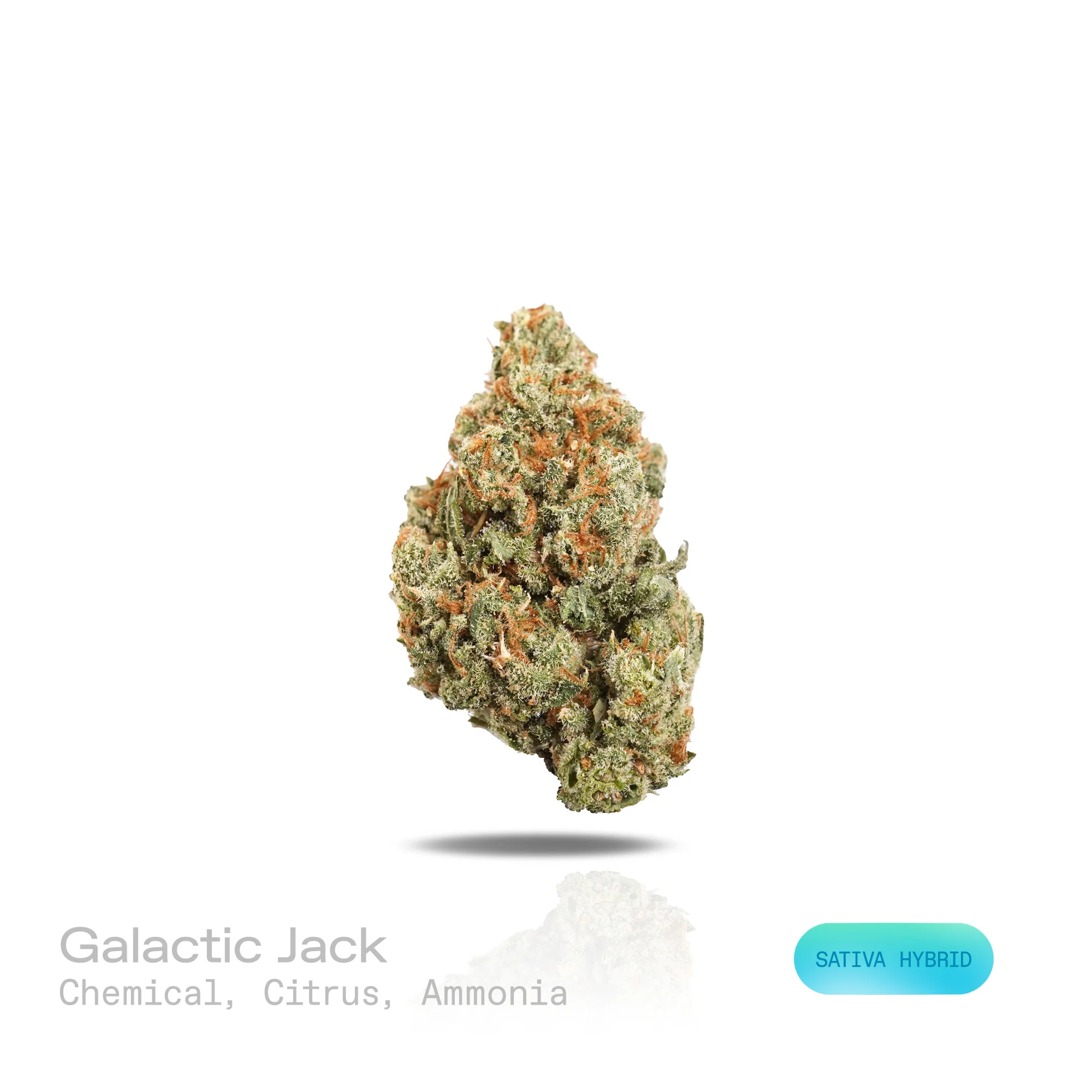
| Galactic Jack THCa FlowerPuffy | Sativa-dominant hybrid from Jack Herer and Space Queen lineage. A better fit for shoppers comparing daytime-leaning flower with citrus-forward strain context. | Yes | $99.95 | Check price at Puffy (opens in new tab) |
Related topic
Explore the THCA Guides hub
THCA is the raw precursor to delta-9 THC found in hemp flower. These guides cover flower types, diamond concentrates, how conversion works, legality by state, and how THCA compares to other cannabinoids.
Open THCA GuidesProduct shortcut
Want products instead?
If you already know what format you want, jump straight into the matching product category.
Browse THCA FlowerEffective date
November 12, 2026 — exactly one year after the bill was signed. All hemp THCA products must comply by that date or be reclassified as marijuana.
Most affected
Consumers in permissive states with no adult-use cannabis program — Texas, Georgia, North Carolina, Tennessee, Indiana, Wisconsin, Nebraska, and others.
Least affected
Consumers in states that already required THCA purchase through licensed cannabis dispensaries — Michigan, California, Colorado, Washington, Arizona, and others. The channel does not change for them.
What H.R. 5371 actually says
H.R. 5371, formally titled the Hemp and Hemp-Derived CBD Consumer Protection and Market Stabilization Act of 2025, was signed into law on November 12, 2025. The law amends the Agricultural Marketing Act of 1946 — the same statute the 2018 Farm Bill used to define hemp — and takes effect one year after signing: November 12, 2026.
The most consequential change is how hemp is now defined. The 2018 Farm Bill defined hemp as cannabis with "not more than 0.3 percent delta-9 tetrahydrocannabinol." H.R. 5371 changes this to a total THC standard: delta-9 THC plus THCA multiplied by 0.877. Under this formula, a hemp product with 20% THCA yields a total THC of approximately 17.5% — far over any compliance threshold regardless of its delta-9 THC content.
H.R. 5371 also adds an absolute potency cap: no more than 0.4 milligrams of THC per serving in any hemp product. This is not a percentage — it is an absolute mass limit. A standard THCA gummy contains 5mg to 25mg of THCA per serving. A single pre-roll contains hundreds of milligrams. Nothing in the current hemp THCA market comes close to satisfying this cap.
Why this ends the hemp THCA market
The current hemp THCA market exists because of a gap in the 2018 Farm Bill. The Farm Bill measured hemp compliance using only delta-9 THC content in raw, unheated plant material. THCA is the non-decarboxylated precursor to delta-9 THC — chemically distinct, non-psychoactive in raw form. Vendors argued that products testing under 0.3% delta-9 THC were compliant hemp regardless of THCA content.
That argument was always contested by the DEA, which argued total THC should govern hemp classification, and by multiple states that adopted total THC testing on their own. H.R. 5371 settles the dispute at the federal level: total THC governs, and THCA counts.
The 0.4mg cap compounds the impact. Even products engineered to meet the new total THC percentage threshold — by processing out most THCA — would need to contain less than half a milligram of any THC per serving. That is a pharmacologically trace amount. No current hemp THCA product category — flower, vapes, gummies, tinctures, or concentrates at normal use levels — satisfies that limit.
How the impact varies by state
The November 2026 deadline does not affect all consumers equally. Whether you will have a compliant access pathway for THCA products after that date depends almost entirely on whether your state has adult-use cannabis legalization.
In states with mature adult-use cannabis markets — California, Colorado, Washington, Michigan, Nevada, Illinois, and others — licensed dispensaries already sell THCA products under state cannabis law. H.R. 5371 does not close these dispensaries. It removes the federal hemp defense for unlicensed sellers, strengthening state regulators' authority to clear the gray market. For consumers in these states, the practical change is the channel: hemp shop or online to licensed dispensary.
The significantly harder situation falls on consumers in states that were permissive for hemp THCA but have no adult-use cannabis program. Texas, Georgia, North Carolina, Tennessee, Indiana, Wisconsin, Nebraska, Wyoming, and others fall into this group. After November 12, 2026, the federal hemp channel closes — and no licensed cannabis alternative exists in these states. Consumers face a complete access gap unless their state legislature creates a licensed framework before the deadline.
See the full state-by-state breakdown at our THCA Legality by State guide — each state's entry includes a specific analysis of how H.R. 5371 applies.
The November 12, 2026 timeline and what happens before it
H.R. 5371 gives the hemp industry a one-year implementation window — November 12, 2025 through November 12, 2026. During this period, the existing federal hemp framework technically remains in place. Hemp retailers who were operating lawfully on the day H.R. 5371 was signed can continue to do so until the compliance deadline.
In practice, the market will shift well before November 12, 2026. Reputable retailers are already informing customers about the deadline and adjusting inventory. Banks and payment processors serving hemp businesses may tighten credit and services as the deadline approaches. Insurance and compliance programs will price in the transition risk. Expect the retail market to contract meaningfully in the months leading up to November 2026, not on the deadline date itself.
Online hemp THCA retailers shipping interstate will face the most immediate legal exposure after the deadline. Interstate shipment of marijuana — which most THCA products will become on November 12, 2026 — is a federal felony regardless of the destination state's cannabis laws.
What consumers should do before November 2026
For a practical pre-deadline checklist focused on COAs, product categories, and the stockpile question, start with our November 12 hemp deadline buyer's guide.
If you are in a state with adult-use cannabis legalization, the practical action is to identify a licensed cannabis dispensary near you and begin purchasing there before the hemp transition. Dispensary pricing has dropped significantly in mature markets — the gap between hemp and dispensary pricing has narrowed considerably since 2021.
If you are in a state without adult-use cannabis, monitor your state legislature closely. Several states — including Virginia, which has adult-use sales expected to begin in 2025, and others — may have programs operational before November 2026. A licensed pathway may open in your state before the federal deadline.
Do not assume the deadline will be delayed or that the law will be repealed. H.R. 5371 passed with bipartisan support and reflects years of regulatory pressure from state attorneys general, law enforcement, and public health advocates. Plan as if November 12, 2026 is the firm end date — because it currently is.
Buyer checklist
- Check your state's current status at elevatedguide.com/thca-legality-by-state — the November 2026 impact varies significantly by state.
- If you are in a dispensary state, begin identifying licensed cannabis retailers in your area — they will be the compliant channel for THCA after November 2026.
- If you are in a state with no adult-use program, understand that the November 12, 2026 deadline is a hard cutoff — no licensed alternative currently exists.
- Monitor your state legislature for any adult-use cannabis legislation that may create a licensed pathway before the federal deadline.
Sources and update notes
How this guide is maintained
Last reviewed: July 24, 2026
- This guide is reviewed periodically for product availability, cannabinoid terminology, claim restraint, and legal-awareness framing.
- Product prices, formulations, COAs, ingredients, and retailer policies can change after publication. Verify current details with the retailer before purchasing.
- For THCA, Delta-8, Delta-9, and other hemp-derived THC products, state law and total THC rules may affect whether a product is available or appropriate to buy.
Frequently asked questions
What is H.R. 5371?
H.R. 5371 is a federal law signed November 12, 2025 that changes how hemp is defined under U.S. law. It redefines hemp to include THCA in the total THC calculation — using the formula delta-9 THC + (THCA × 0.877) — and adds a hard cap of 0.4mg of THC per serving. Most hemp THCA products currently on the market will not comply with either standard. The law takes effect November 12, 2026.
Will THCA be illegal after November 2026?
THCA itself is not being newly scheduled. What changes is whether hemp-derived THCA products can be sold as hemp. After November 12, 2026, most THCA products will exceed the federal definition of hemp and will be classified as marijuana — a Schedule I controlled substance under federal law. In states with licensed adult-use cannabis, THCA products will remain available through dispensaries. In states without adult-use cannabis, there will be no compliant access pathway.
Does the 0.4mg cap apply to THCA flower?
Yes. The 0.4mg per serving cap applies to all hemp products. A typical THCA pre-roll contains 500mg to 1,000mg of THCA — thousands of times over the cap. There is no product engineering path that makes THCA flower compliant with a 0.4mg per serving limit while retaining any meaningful THCA content.
Can I still buy THCA at a licensed dispensary after November 2026?
Yes, if you are in a state with adult-use or medical cannabis legalization. Licensed cannabis dispensaries sell products under state cannabis law, which operates independently of the federal hemp definition. H.R. 5371 does not affect state cannabis licensing programs. It removes the federal hemp framework that allowed unlicensed hemp retailers to sell THCA products — the licensed dispensary channel is unaffected.
Does H.R. 5371 affect CBD products?
CBD products with genuinely low THCA content may remain compliant if they fall under the new total THC standard and 0.4mg cap. Many CBD products — particularly broad-spectrum and isolate formats — already have very low THCA levels. Full-spectrum hemp products with meaningful THCA content will face the same compliance pressure as THCA flower. Verify the full cannabinoid panel on any product's COA to assess compliance with the new standard.