
Gummies guide
Best Budget THC Gummies
Budget THC gummies can be genuinely good value — but the budget tier is also where documentation lapses are most common. Here is how to evaluate cost per verified milligram.
Quick answer
Real value in THC gummies is cost per verified milligram, not the lowest sticker price. Divide the total price by the total verified milligrams to compare products meaningfully.
The budget tier has the highest rate of documentation lapses. A low price without a current, independent COA is not a bargain — it is an unknown.
Buying in bulk from a documented brand is the most reliable cost-reduction strategy. Volume pricing from a brand you have verified beats a cheap unknown product every time.
Key takeaways
- Calculate cost per milligram before making a purchase decision. A $30 package with 150mg verified delta-9 is $0.20/mg. A $20 package with 50mg unverified is not comparable.
- Budget brands cut corners in predictable places: testing frequency, batch consistency, and ingredient quality. Knowing where to look helps you find the exceptions.
- Buying larger packs from brands you have already vetted is one practical way to reduce per-milligram cost without giving up your quality standards.
Products worth comparing
Products to consider
These products match the topic covered above. Always verify current pricing and availability before purchasing.
| Product image | Product | Best For | Lab Tested | Price | Shop |
|---|---|---|---|---|---|
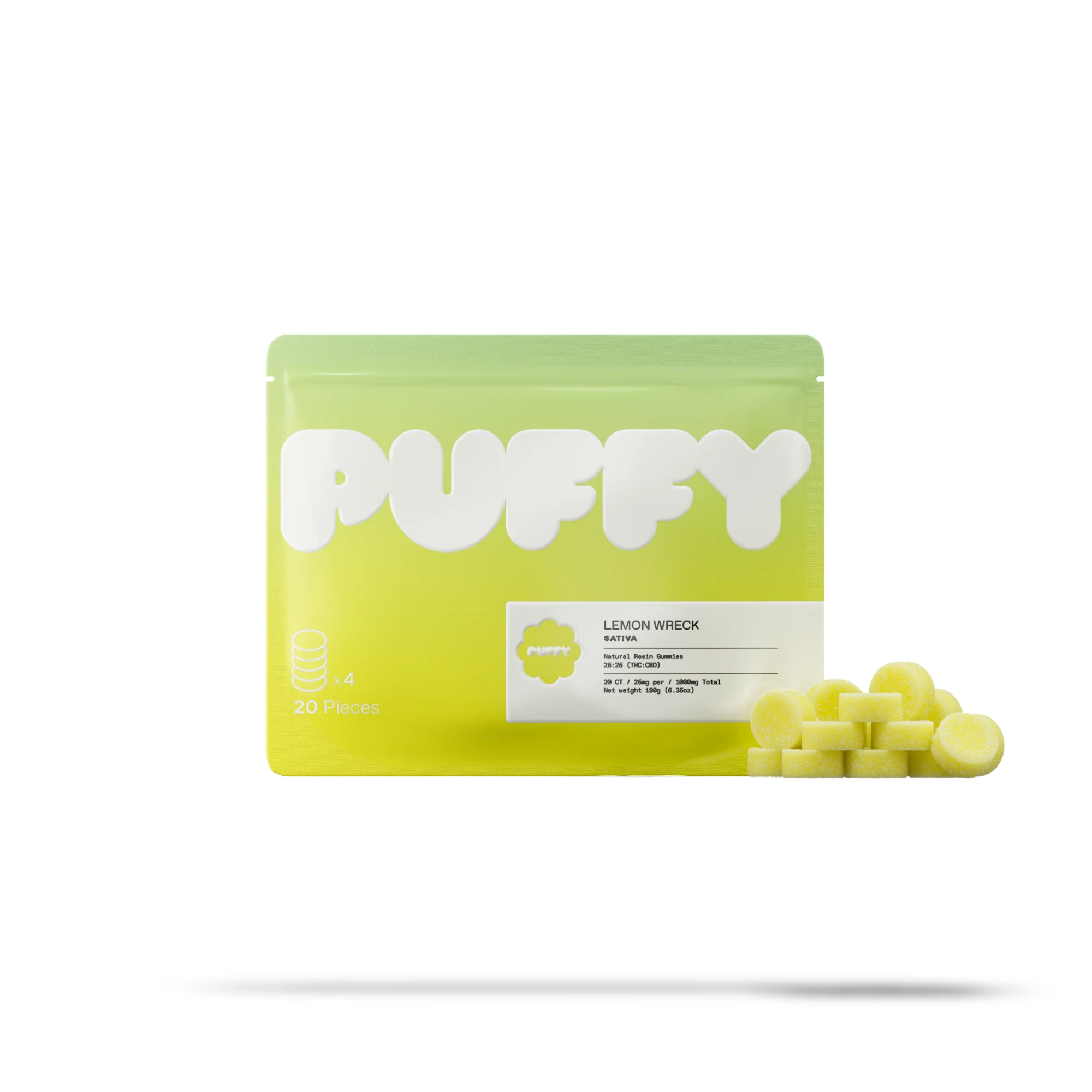
| Lemon Wreck Live Resin THC GummiesPuffy | Sativa-positioned live resin gummy for daytime shoppers comparing Delta-9 with CBG and THCV support. Best for users who already understand edible timing. | Yes | $34.95 | Check price at Puffy (opens in new tab) | |
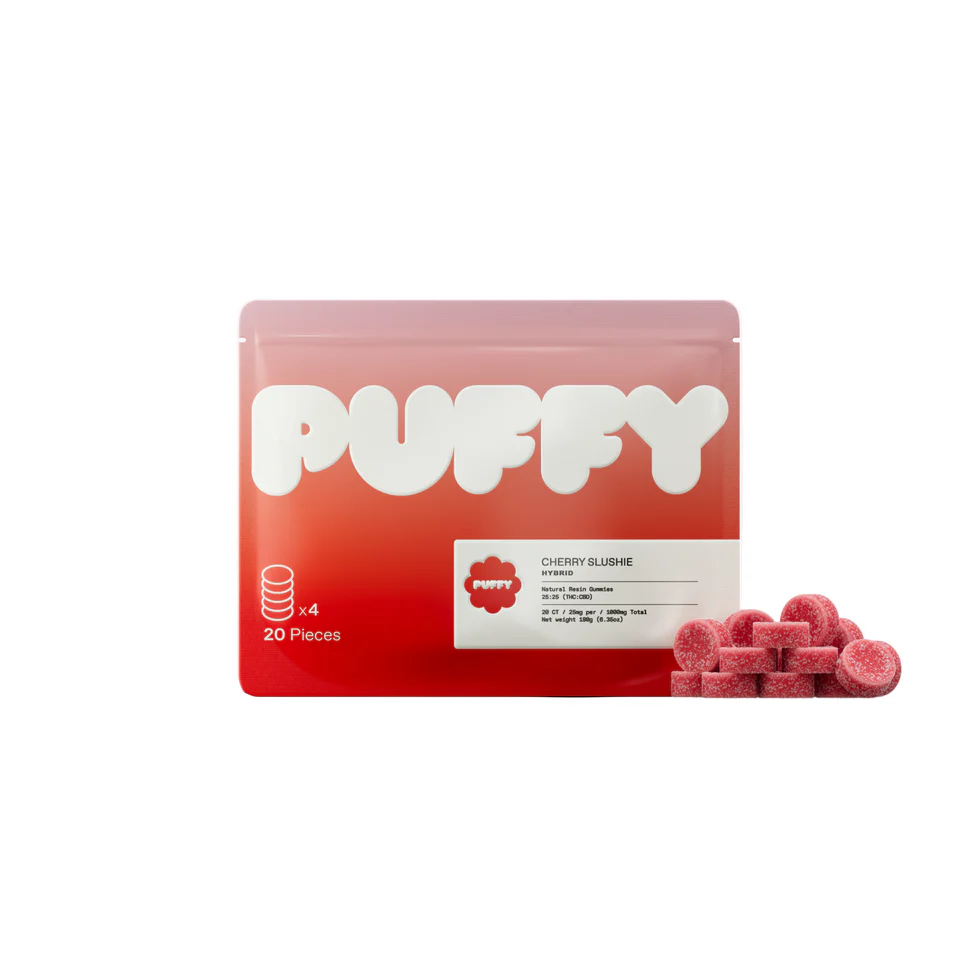
| Cherry Slushie Live Resin THC GummiesPuffy | Hybrid live resin gummy with 25mg CBD and 25mg Delta-9 THC listed. A balanced option for shoppers comparing equal-part THC and CBD formulas. | Yes | $34.95 | Check price at Puffy (opens in new tab) | |
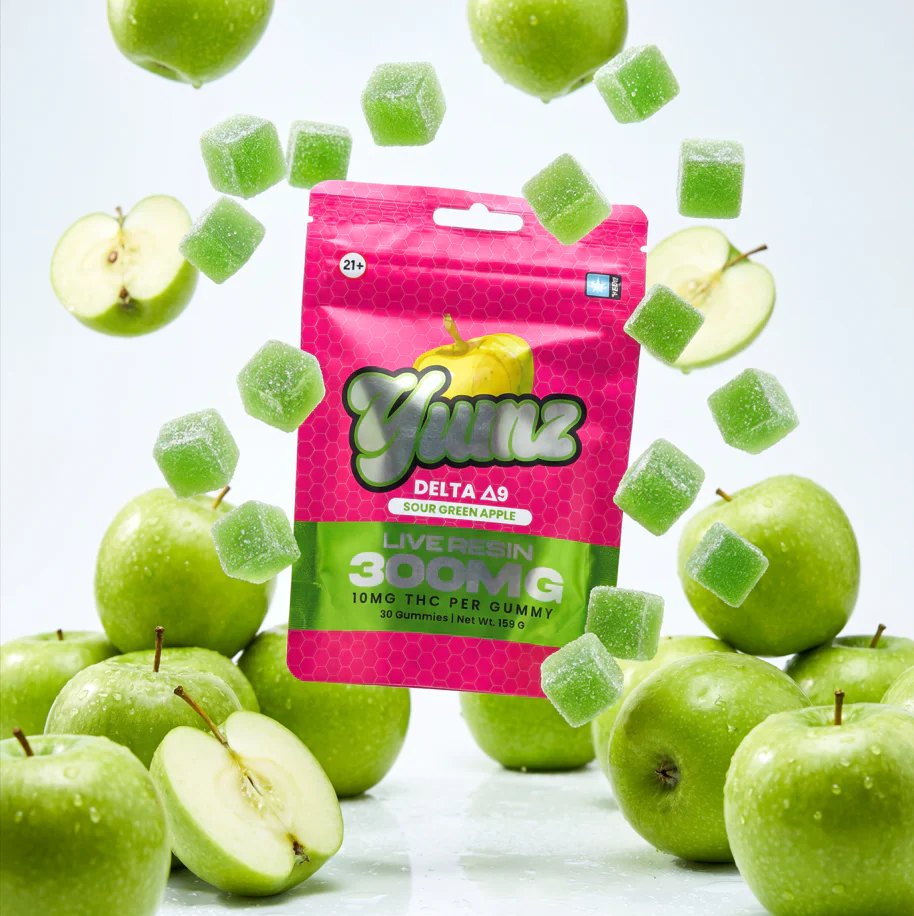
| Sour Green Apple Delta 9 GummiesYumz Labs | Delta-9 gummy for shoppers comparing a straightforward THC edible with a fruit-forward flavor profile and moderate price point. | Yes | $39.99 | Check price at Yumz Labs (opens in new tab) |
Related topic
Explore the THC Gummies hub
Hemp-derived delta-9 gummies are one of the most accessible THC formats — available online, clearly dosed, and covered by Farm Bill hemp rules. This hub covers beginner options, sleep formulas, high-dose picks, and budget comparisons.
Open THC GummiesProduct shortcut
Want products instead?
If you already know what format you want, jump straight into the matching product category.
Browse THC GummiesBest for
Value-conscious buyers who want a clear framework for finding quality hemp gummies without overpaying.
The real math
Divide total price by total verified milligrams. That number — cost per mg — is the only honest price comparison between products.
Red flag specific to budget tier
COA dates. Budget brands often use old testing data across multiple batches. Look for recent test dates (within 6 months) that match your product's lot number.
How to calculate real value: cost per verified milligram
The sticker price of a THC gummy package tells you almost nothing useful about value. A $15 package of gummies and a $45 package of gummies might represent exactly the same cost per milligram of delta-9 THC — or dramatically different ones. The only way to compare is to do the math.
Divide the total price by the total milligrams of verified delta-9 THC in the package. For example: a $25 package with 125mg verified delta-9 = $0.20 per milligram. A $15 package with 50mg unverified = unknown cost per effective milligram, and potentially higher than the pricier option once you factor in dosing uncertainty. Market rates for verified hemp delta-9 typically range from $0.10 to $0.30 per milligram depending on brand tier and pack size.
The "verified" qualifier matters. A cheap product with an old or missing COA is not $0.10/mg — it is an unknown that could be significantly less than labeled. Documentation is not just a nice-to-have; it is what makes a per-milligram comparison meaningful at all. Any cost comparison that ignores COA quality is comparing the packaging, not the product.
Documentation standards in the budget tier
The budget tier of the hemp gummy market has the highest rate of documentation lapses. This is predictable: rigorous independent testing costs money, and brands competing primarily on price have stronger incentives to cut testing frequency, use older test results, or use affiliated labs with less rigorous standards.
What this means in practice: the documentation bar you apply in the budget tier should be the same as or higher than what you apply to premium products. A $15 product without a current, independent COA is not a deal — it is a different kind of risk. A $20 product with a current COA from an accredited independent lab is a reasonable budget purchase. The price difference is the cost of knowing what you are buying.
Specific things to check in the budget tier: COA date (recent test date for the specific batch, not just the product line), lab accreditation (ISO 17025 or equivalent is the standard), and whether the cannabinoid content on the COA matches the label. Discrepancies between label claims and COA results are more common in budget products, and they tend to go in the direction of less THC than labeled.
Where budget brands cut corners versus where they don't
Understanding where budget brands are likely to reduce quality helps you know what to scrutinize. Testing frequency is the most common place to cut costs: a brand might test once per product line and use those results across multiple batches rather than testing each lot. Ingredient quality is another: artificial dyes, lower-quality sweeteners, and less precise gelatin or pectin formulations are common cost-reduction strategies. Batch consistency is a third: lower-production-value facilities have more variation between batches.
Where budget brands often do not cut corners: the base compliance math. A brand has strong incentive not to sell a product that tests over 0.3% delta-9 by dry weight — that would expose them to legal risk. Compliance testing is usually present even in budget brands, which means the delta-9 content at or below the legal threshold is often verified. The question is whether the labeled dose is accurate, which is a different thing from compliance.
The practical implication: in the budget tier, buy from brands that have been in the market for a while and have user reviews that describe consistent effects. Consistency is the signal that batch quality is reasonably controlled. A brand with effusive reviews on a single product but no track record is a higher-uncertainty purchase than a brand with years of consistent feedback.
Practical buying strategy for budget gummies
The most reliable cost-reduction strategy is buying larger quantities from a brand you have vetted. Volume pricing on 60-count or 90-count packs from a documented brand consistently delivers better cost per milligram than buying multiple small packs from unknown brands. The one-time verification effort — finding the COA, checking the lab, verifying the dosing — pays dividends across every pack you buy from that brand.
Consider trying a single small pack of a new brand before committing to a bulk purchase. One package is enough to verify the documentation, assess the consistency of effects against the label, and determine whether the flavor and texture meet your expectations. Then buy in volume if it passes.
Promotional pricing and bundle deals from brands you have already vetted can bring the effective cost per milligram well below typical market rates. Keep an eye on brand websites and major retailers during promotional periods if cost is the primary consideration. These sales can represent real savings, as opposed to the false economy of cheap products with weak or missing documentation.
Buyer checklist
- Calculate cost per milligram before comparing prices.
- Verify a current, independent COA is available — recent date, accredited lab, matching lot number if possible.
- Check the per-piece milligram count, not just the total package amount.
- Read reviews specifically for consistency: do users report consistent effects across purchases from the same brand?
- Consider bulk purchasing from a brand you have verified rather than buying multiple unknown cheap products.
Browse hemp delta-9 gummies
If you shop Amazon for hemp-derived delta-9 gummies, calculate cost per milligram and verify any COA documentation yourself before purchasing.
Elevated Guide may earn a commission on qualifying Amazon purchases. Always verify COAs, local laws, and shipping restrictions before purchasing. For adult use only where legal.
Sources and update notes
How this guide is maintained
Last reviewed: July 24, 2026
- This guide is reviewed periodically for product availability, cannabinoid terminology, claim restraint, and legal-awareness framing.
- Product prices, formulations, COAs, ingredients, and retailer policies can change after publication. Verify current details with the retailer before purchasing.
- For THCA, Delta-8, Delta-9, and other hemp-derived THC products, state law and total THC rules may affect whether a product is available or appropriate to buy.
Frequently asked questions
What is a good price per milligram for THC gummies?
Market rates for hemp delta-9 gummies with strong documentation often range from $0.10 to $0.30 per milligram depending on brand tier, pack size, and retailer. Under $0.10/mg usually warrants closer scrutiny of the documentation. Over $0.30/mg suggests either a premium brand charging for brand positioning or a small pack with high per-unit overhead. Calculate cost per milligram using the total price and the labeled or documented milligrams you can verify yourself.
Are cheap THC gummies safe?
Safety in cheap THC gummies depends on documentation. A cheap product with a current, independent COA confirming cannabinoid content and contaminant screening is a reasonable purchase. A cheap product without documentation is an unknown — the cannabinoid content may not match the label, and contaminants have not been screened. "Cheap" and "safe" are independent variables; documentation is the connector between them.
How do I find budget options with good COAs?
Search for brands that have been in the market for multiple years and have a track record of consistent user reviews. Check major hemp retail platforms and read buyer feedback specifically for comments about consistent effects (a sign the dosing is accurate across batches). Find the COA on the brand website or packaging QR code and verify the lab name, test date, and cannabinoid results. Brands that make this easy are more trustworthy than those that obscure it.
Is buying THC gummies in bulk worth it?
Yes, once you have verified a brand to your own standards. Volume pricing on larger packs from brands you have already vetted is one of the more reliable ways to reduce cost per milligram without giving up quality standards. Buy a small pack first to verify documentation and assess the product, then commit to larger quantities if it passes your standards. This approach gives you both cost efficiency and more confidence in what you are buying.