
Gummies guide
Best THC Gummies for Sleep
Nighttime hemp gummies typically combine delta-9 THC with CBN, CBD, or melatonin for an evening use positioning. Here is how to evaluate the formula and timing.
Quick answer
Nighttime gummies commonly contain delta-9 THC alongside CBN, CBD, and sometimes melatonin. The intended use is evening wind-down, and the combination is based on the reported effects of each component rather than clinical trial evidence.
Timing matters significantly. Edibles take 30 to 90 minutes to produce effects — take nighttime gummies 1 to 2 hours before your intended sleep time to account for onset.
No medical claim can be made about sleep. Many users report incorporating these products into a nighttime routine, but "helps you sleep" is not a claim backed by the kind of evidence that would support a medical use assertion.
Key takeaways
- The formula matters: read the ingredient list carefully to understand what is in a nighttime gummy beyond the THC content.
- CBN is sometimes marketed as a "sleep cannabinoid" but has limited clinical research behind this claim. It is a genuine cannabinoid, but the evidence for sleep-specific effects is not established.
- Timing for sleep use is more specific than general edible timing. Take 1 to 2 hours before intended sleep to align onset with bedtime.
Products worth comparing
Products to consider
These products match the topic covered above. Always verify current pricing and availability before purchasing.
| Product image | Product | Best For | Lab Tested | Price | Shop |
|---|---|---|---|---|---|
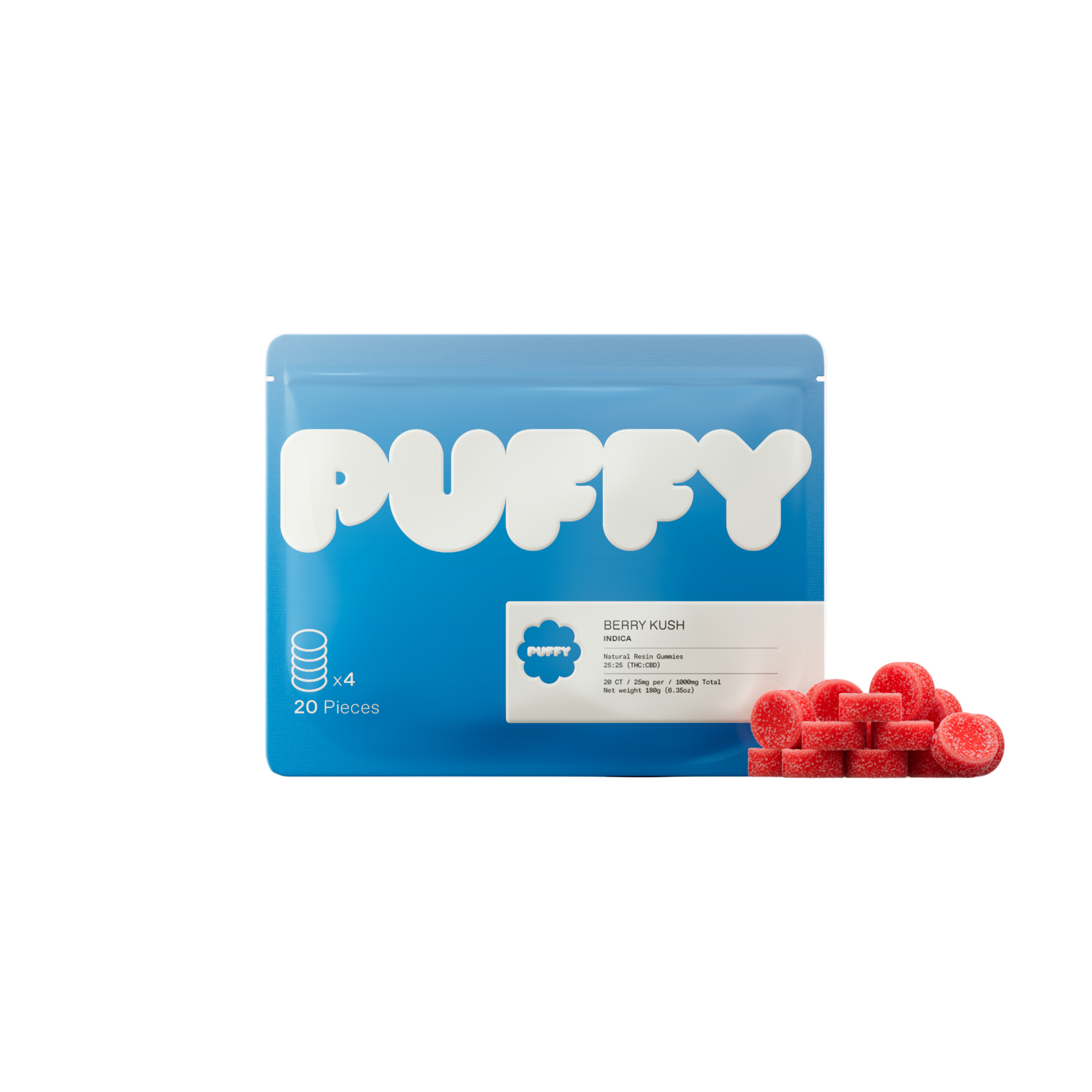
| Berry Kush Natural Resin THC Gummies (Indica)Puffy THCa | Indica-positioned natural resin gummy with Delta-9, CBD, and CBN context. Best for shoppers comparing evening or sleep-leaning formulas. | No | $29.95 | Check price at Puffy (opens in new tab) | |
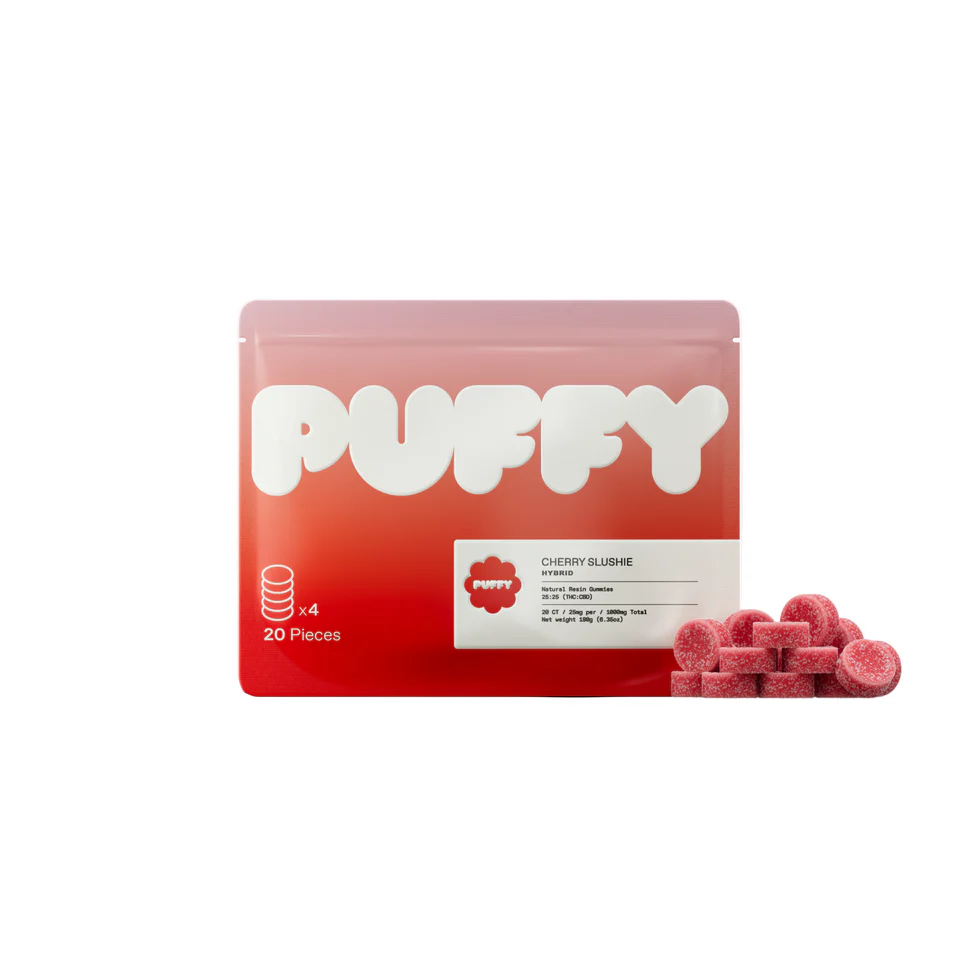
| Cherry Slushie Live Resin THC GummiesPuffy | Hybrid live resin gummy with 25mg CBD and 25mg Delta-9 THC listed. A balanced option for shoppers comparing equal-part THC and CBD formulas. | Yes | $34.95 | Check price at Puffy (opens in new tab) |
Related topic
Explore the THC Gummies hub
Hemp-derived delta-9 gummies are one of the most accessible THC formats — available online, clearly dosed, and covered by Farm Bill hemp rules. This hub covers beginner options, sleep formulas, high-dose picks, and budget comparisons.
Open THC GummiesProduct shortcut
Want products instead?
If you already know what format you want, jump straight into the matching product category.
Browse THC GummiesBest for
Adults researching nighttime hemp gummy formulas and wanting to understand what the ingredients actually do before purchasing.
Melatonin note
Products with melatonin are best used occasionally rather than nightly. Melatonin is a hormone and regular supplementation can affect your body's natural production.
Timing is everything
A nighttime gummy taken too late (within 30 minutes of intended sleep) may not produce peak effects until you want to be asleep. Plan accordingly.
What nighttime gummies actually contain
Nighttime-positioned hemp gummies typically combine delta-9 THC with one or more of the following: cannabinol (CBN), cannabidiol (CBD), and melatonin. Each component is marketed based on its reported effects, and the combination is meant to create a formula suited to evening use.
Delta-9 THC is the primary psychoactive component. At moderate doses, many users experience relaxation and a settling of mental activity — properties that make it a reasonable candidate for evening use by experienced consumers. CBN is a degradation product of THC with mild psychoactive properties and reported sedative effects, though clinical evidence for CBN as a sleep aid is limited. CBD has a broadly calming reputation without psychoactivity. Melatonin is a hormone naturally produced in response to darkness that regulates sleep-wake cycles; supplemental melatonin is one of the more researched sleep supplement ingredients.
The sum of these components is a formula that many users find useful as part of an evening routine. That is different from clinical evidence that the product treats or improves sleep disorders. The honest framing is: many users incorporate these products into their nighttime routine and report it working for them. Individual responses vary significantly.
Reading the ingredient list for nighttime gummies
A nighttime gummy label should clearly separate the milligrams of each active component. You want to see, for example: 10mg delta-9 THC, 5mg CBN, 3mg CBD, 3mg melatonin — not just a total "hemp extract" milligram count. This level of transparency is the standard for a well-formulated nighttime product, and it is the only way you can make an informed judgment about what you are taking.
Melatonin dosage in sleep supplements is frequently higher than research suggests is necessary. Many commercial sleep supplements contain 5–10mg melatonin when studies suggest 0.5–1mg may be more effective for sleep onset without next-day grogginess. If a nighttime gummy contains high melatonin amounts, factor that in — particularly if you are sensitive to melatonin or plan to use the product regularly.
The COA for a nighttime gummy should cover all cannabinoid components, not just delta-9 THC. If the product claims to contain CBN, the COA should confirm CBN content. Missing cannabinoid data on a COA for a multi-cannabinoid formula is a gap worth noting.
Timing for sleep use
Edible onset timing is the primary practical consideration for sleep use. Taking a gummy 30 minutes before bed and expecting to feel effects when your head hits the pillow is not realistic for most users. The standard onset window is 30 to 90 minutes, which means a gummy taken 1 to 2 hours before your intended sleep time will more reliably produce effects at the right moment.
The 2-hour window also accounts for individual variation. If you metabolize edibles quickly, 1 hour may be sufficient. If you tend toward slower onset — which can happen after a large meal, or for individuals with slower gut motility — 90 minutes to 2 hours gives more reliable results. Starting with the longer window and adjusting based on experience is the practical approach.
Duration is also relevant for sleep use. Delta-9 THC edibles typically produce effects for 4 to 8 hours. A dose taken 2 hours before a 7-hour sleep window may still be active when you wake up, particularly at higher doses. This can manifest as morning grogginess. If this is a concern, a lower dose or a product with a shorter effect window (some tinctures have faster onset and shorter duration than gummies) may be a better fit.
What the evidence actually says
The honest answer is that rigorous clinical evidence for hemp-derived THC, CBN, or CBD specifically as sleep aids is limited. The research base is preliminary. What exists suggests that cannabinoids may affect sleep architecture in complex ways — not simply making sleep easier across the board for everyone. Individual response varies significantly.
Melatonin has substantially more research support as a sleep supplement than any cannabinoid, particularly for circadian rhythm adjustment (jet lag, shift work) rather than general insomnia. The melatonin component of a nighttime gummy is probably the most evidence-backed ingredient in the formula.
The practical implication: these products should be approached as part of an evening relaxation routine rather than as sleep medication. Many users find them genuinely helpful for winding down. That reported utility is real — it just should not be characterized as medical efficacy. If sleep difficulties are significant, a healthcare provider is the appropriate resource.
Buyer checklist
- Read the full ingredient list to understand what is in the formula beyond delta-9 THC.
- Check per-piece milligrams of delta-9 THC specifically — CBN and CBD milligrams are listed separately.
- Verify a current COA covering all cannabinoid components and contaminant screening.
- Plan timing: 1 to 2 hours before intended sleep for most formulas.
- Start with one gummy on a night with no early obligations to assess your personal response.
Browse nighttime hemp gummies
If you shop Amazon for sleep-positioned hemp gummies with CBN, CBD, or melatonin combinations, verify the labeling and any testing information yourself.
Elevated Guide may earn a commission on qualifying Amazon purchases. Always verify COAs, local laws, and shipping restrictions before purchasing. For adult use only where legal.
Sources and update notes
How this guide is maintained
Last reviewed: July 24, 2026
- This guide is reviewed periodically for product availability, cannabinoid terminology, claim restraint, and legal-awareness framing.
- Product prices, formulations, COAs, ingredients, and retailer policies can change after publication. Verify current details with the retailer before purchasing.
- For THCA, Delta-8, Delta-9, and other hemp-derived THC products, state law and total THC rules may affect whether a product is available or appropriate to buy.
Frequently asked questions
Do THC gummies help with sleep?
Many users report incorporating nighttime hemp gummies into an evening wind-down routine and finding it effective for relaxation. Clinical evidence for hemp-derived cannabinoids as sleep aids is limited, and individual responses vary. These products should not be characterized as sleep medication. If you have significant sleep difficulties, a healthcare provider is the appropriate resource.
What dose works for sleep?
For sleep use, many users find 5–10mg delta-9 THC (with any CBN/CBD additions) effective. Higher doses can cause grogginess the next morning. Start at the lower end of your usual range and take the gummy 1 to 2 hours before your intended sleep time. Edibles have a 4 to 8 hour effect window — factor this in when selecting a dose to avoid morning grogginess.
What is CBN and why is it in sleep gummies?
CBN (cannabinol) is a minor cannabinoid produced when THC degrades over time. It has mild psychoactive properties and is often marketed for its reported sedative qualities. The evidence base for CBN as a sleep aid specifically is limited — most of the "CBN = sleep" association comes from user reports and early research rather than clinical trials. It is a real cannabinoid with genuine effects, but characterizing it as a proven sleep compound overstates the current evidence.
When should I take a nighttime gummy before bed?
1 to 2 hours before your intended sleep time is the practical recommendation for most edible formulas. This accounts for the 30 to 90 minute onset window while giving you flexibility for individual variation. If you find that 1 hour consistently feels too early — effects peak before you want to sleep — taking it closer to 90 minutes before bed is an easy adjustment.