
Tinctures guide
Best THC Tinctures
A good THC tincture gives you fractional-milligram dose control that edibles cannot match. The key is a clearly marked dropper and a label that states milligrams per milliliter.
Quick answer
Sublingual tinctures (held under the tongue for 60 to 90 seconds) produce effects in 15 to 45 minutes — faster than gummies but slower than vapes. Swallowing instead of holding sublingually delays onset to 30 to 90 minutes.
The label must state milligrams of delta-9 THC per milliliter. Without this, accurate dosing is impossible. The dropper must have clear ml markings.
MCT oil is the most common carrier, neutral in taste and widely tolerated. Hemp seed oil is the alternative — more nutritive but with a distinct, earthy flavor that some users dislike.
Key takeaways
- Milligrams per milliliter on the label is the single most important number. Total package milligrams without per-ml breakdown makes precise dosing impossible.
- Sublingual absorption requires holding the tincture under the tongue for 60 to 90 seconds before swallowing. Swallowing immediately converts it to an edible with slower, more unpredictable onset.
- Tinctures allow fractional dosing — 0.25ml increments are achievable with a marked dropper, giving more dose flexibility than fixed-piece edibles.
Products worth comparing
Products to consider
These products match the topic covered above. Always verify current pricing and availability before purchasing.
| Product image | Product | Best For | Strength | Lab Tested | Price | Shop |
|---|---|---|---|---|---|---|
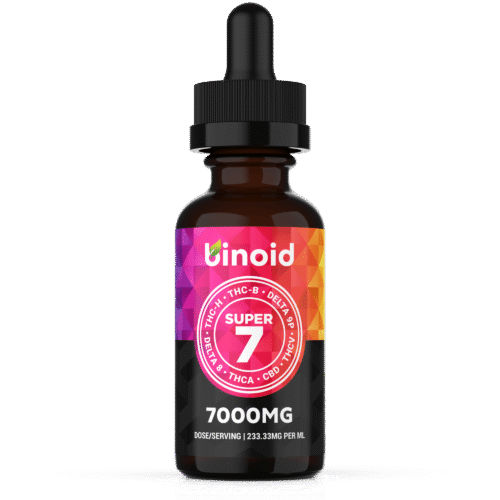
| Super 7 Tincture – 7000mgBinoid | 7000mg full-spectrum tincture blending multiple cannabinoids for shoppers who want a measured-dose liquid format instead of a vape or edible. | 7000mg blend | Yes | $39.99 | Check price at Binoid (opens in new tab) | |
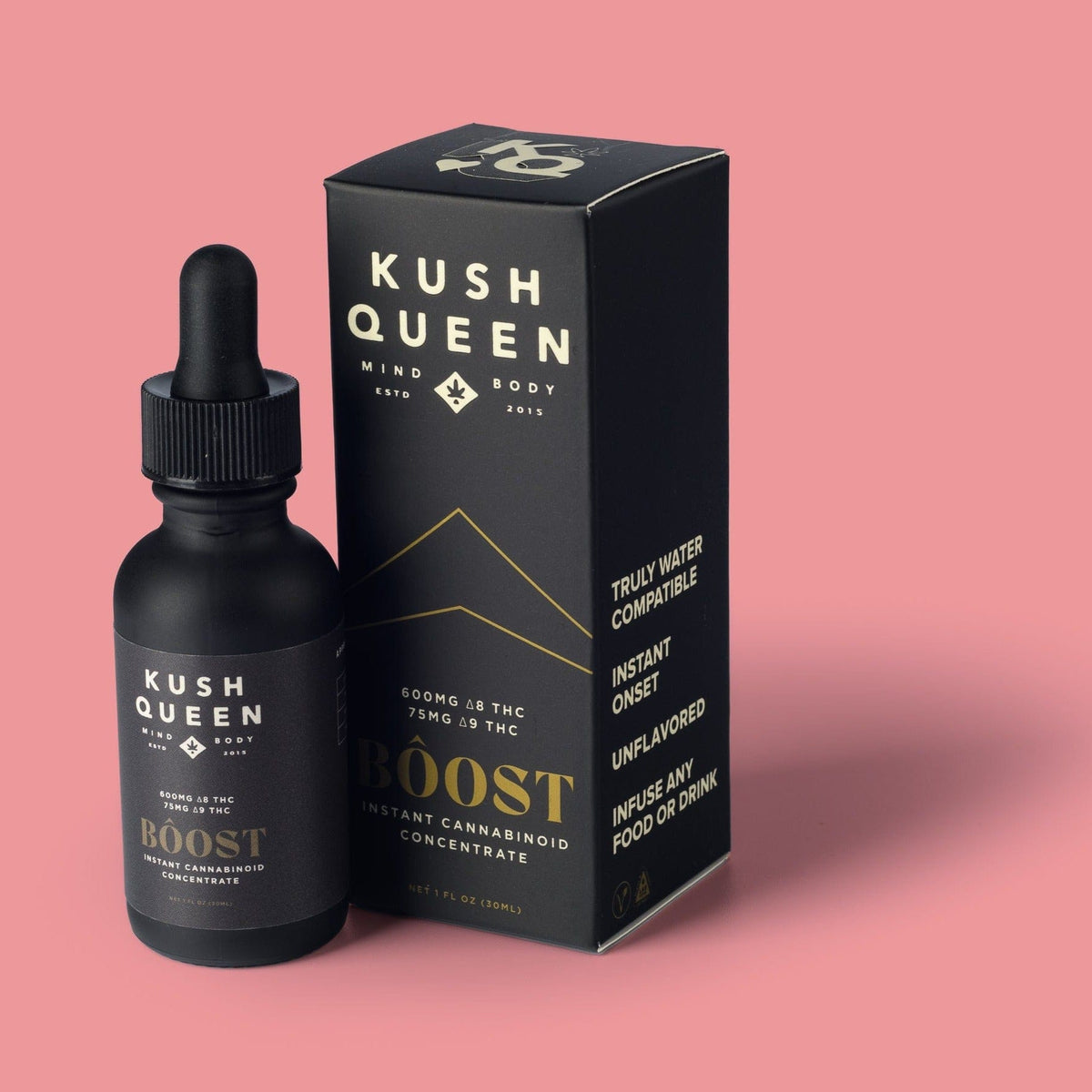
| Bôost Liquid THC ConcentrateKush Queen | Liquid THC concentrate for shoppers comparing flexible, measured drops that can be added to food or beverages. | N/A | No | $49.99 | Check price at KQ Shop (opens in new tab) | |
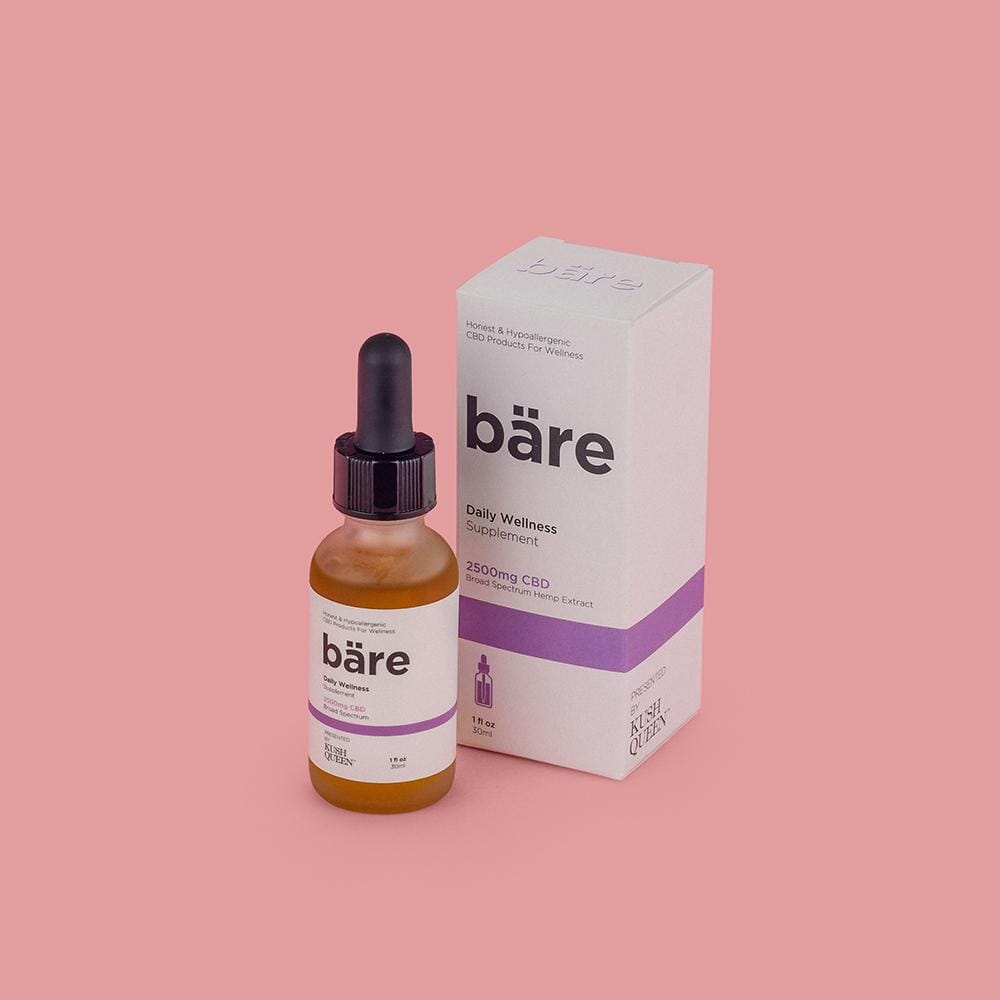
| Bäre CBD Tincture: Full-SpectrumBare | Full-spectrum CBD tincture for shoppers comparing sublingual oil formats and adjustable serving routines. | N/A | No | $104.99 | Check price at KQ Shop (opens in new tab) |
Related topic
Explore the THC Tinctures hub
THC tinctures let you measure your dose precisely and adjust gradually — making them a popular choice for beginners and anyone who wants more control than a fixed-dose gummy. These guides cover how tinctures work, how they compare to edibles, and what to look for when buying.
Open THC TincturesProduct shortcut
Want products instead?
If you already know what format you want, jump straight into the matching product category.
Browse THC TincturesBest for
Users who want more dose control than gummies provide, or who want faster onset than a typical edible without vaping.
Key label check
mg per ml must be clearly stated. A bottle that says "500mg total" without stating the concentration per ml is not appropriately labeled for responsible dosing.
Taste note
Hemp seed oil tinctures have a strong, grassy flavor that many users find unpleasant. MCT oil is neutral. This affects adherence if you use tinctures regularly.
How tinctures work and why precision matters
A THC tincture is a liquid hemp extract dissolved in a carrier oil — most commonly MCT (medium-chain triglyceride) oil derived from coconut oil. Tinctures are typically consumed with a dropper that allows measured delivery. The consumption method determines the onset profile.
Sublingual administration — holding the tincture under the tongue for 60 to 90 seconds before swallowing — allows some THC to absorb directly through the mucous membranes into the bloodstream, bypassing first-pass liver metabolism. This produces faster onset (typically 15 to 45 minutes) than swallowing the tincture directly. The extent of sublingual absorption varies by individual anatomy and how long the tincture is held.
If you swallow a tincture immediately without holding it sublingually, it behaves like an edible and follows the same 30 to 90 minute onset timeline with the same variability. The distinction is practical: hold it under your tongue for at least a minute before swallowing. Many users set a timer.
Carrier oil and flavor considerations
MCT oil is the dominant carrier in hemp THC tinctures. It is neutral in taste, highly bioavailable as a lipid carrier for fat-soluble cannabinoids, and widely tolerated. Most users find MCT-based tinctures reasonably palatable. Some brands add natural flavoring (mint, citrus, vanilla) to improve the experience further.
Hemp seed oil is an alternative carrier that appears in some products marketed as whole-plant or natural. Hemp seed oil contains omega fatty acids and has nutritional value beyond carrier function, but it has a strong, grassy, earthy flavor that many users find unpleasant when used in a large volume like a tincture. If taste adherence matters for regular use, MCT is the more practical choice.
Alcohol-based tinctures are less common in the hemp market than in traditional herbal preparations, but they do exist. Alcohol can enhance sublingual absorption but is not well-tolerated sublingually by many users because of the burning sensation. If you encounter an ethanol-based tincture, check the extraction method on the COA — residual solvent screening should confirm the ethanol is food-grade and within acceptable limits.
How to read a tincture label and COA
The critical number on a tincture label is milligrams per milliliter (mg/ml). This is what allows you to calculate your dose using the dropper. A 30ml bottle with 300mg total delta-9 THC contains 10mg/ml. A full 1ml dropper delivers 10mg; half a dropper delivers 5mg. If the label gives only total milligrams without per-ml concentration, you cannot dose accurately — that is a disqualifying issue.
The COA for a tincture should confirm cannabinoid content per milliliter, matching the label. It should also include the full cannabinoid panel, pesticide screening, heavy metal screening, and residual solvent screening (particularly important if the extract was produced using solvent-based methods). The lab should be independent with no brand affiliation.
One thing to check that many buyers miss: does the COA test the finished tincture, or just the extract before formulation? The finished product result is the one that tells you what you are actually consuming. Some brands provide extract-level testing and then formulate with carrier oil without re-testing — the per-ml content claimed on the label may not have been verified in the final product.
Dosing approach for THC tinctures
The starting point for a new tincture user: 0.5ml of a low-concentration formulation (5mg/ml or 10mg/ml) delivers 2.5mg or 5mg respectively — a conservative beginner dose. Hold it under your tongue for 60 to 90 seconds, then swallow. Wait 30 to 45 minutes before assessing and taking more.
The primary advantage of tinctures for dosing is granularity. A dropper with clear markings allows 0.25ml increments, which at 10mg/ml translates to 2.5mg adjustments. This is finer control than most gummies offer, which typically come in 2.5mg or 5mg fixed increments. For users who need to dial in a precise dose — for instance, finding the exact amount that produces a desired effect without excess — tinctures offer this flexibility.
Tinctures taken sublingually tend toward shorter duration than gummies because a portion of the dose is absorbed before liver metabolism rather than entirely through it. The difference is not as dramatic as comparing inhaled products to edibles, but a tincture held sublingually often produces effects that resolve faster than a comparable dose from a gummy. Factor this into your session planning.
Buyer checklist
- Confirm the label states milligrams of delta-9 THC per milliliter.
- Check that the dropper has clear ml markings for accurate measuring.
- Verify a current COA showing cannabinoid content per ml, the full cannabinoid panel, and contaminant screening.
- Note the carrier oil — MCT for neutral taste, hemp seed oil for a more distinctive flavor.
- Start with 0.5ml of a low-concentration tincture (5–10mg/ml) for a first session.
Browse hemp THC tinctures
If you shop Amazon for hemp-derived THC tinctures, look for clear mg/ml labeling and COAs that verify cannabinoid content per serving.
Elevated Guide may earn a commission on qualifying Amazon purchases. Always verify COAs, local laws, and shipping restrictions before purchasing. For adult use only where legal.
Sources and update notes
How this guide is maintained
Last reviewed: July 24, 2026
- This guide is reviewed periodically for product availability, cannabinoid terminology, claim restraint, and legal-awareness framing.
- Product prices, formulations, COAs, ingredients, and retailer policies can change after publication. Verify current details with the retailer before purchasing.
- For THCA, Delta-8, Delta-9, and other hemp-derived THC products, state law and total THC rules may affect whether a product is available or appropriate to buy.
Frequently asked questions
How do you take a tincture sublingually?
Fill the dropper to your measured dose, place the tip of the dropper under your tongue, and dispense the oil. Hold it under your tongue without swallowing for 60 to 90 seconds — set a timer if needed. The mucous membranes absorb some of the THC directly during this period. After the hold time, swallow. The sublingual absorption produces faster onset (15 to 45 minutes) than swallowing immediately.
What is a good starting dose for a THC tincture?
Start with 0.5ml of a low-concentration tincture (5–10mg/ml), which delivers 2.5–5mg of delta-9 THC. Hold sublingually for 60 to 90 seconds before swallowing. Wait 30 to 45 minutes before assessing effects and considering more. The granular dose control of a tincture allows you to increase by 0.25ml increments in subsequent sessions until you find your effective range.
What is the difference between MCT and hemp seed oil tinctures?
MCT oil is a neutral-tasting carrier derived from coconut oil that is widely tolerated and highly bioavailable for fat-soluble cannabinoids. Hemp seed oil is a nutritive carrier with omega fatty acids but has a strong earthy, grassy flavor that many users find unpleasant. MCT is the practical choice for most users. Hemp seed oil tinctures are marketed as more natural but offer no meaningful advantage in cannabinoid delivery over MCT.
How long does a THC tincture take to work?
Sublingually administered tinctures (held under the tongue for 60 to 90 seconds) typically produce effects in 15 to 45 minutes. If swallowed immediately without a sublingual hold, onset is similar to a gummy: 30 to 90 minutes. Individual variation applies to both. Factors that affect onset include metabolism, body weight, food intake, and how long the tincture was held sublingually.