
Accessories guide
Best Bongs for Beginners
The right beginner bong is not the flashiest one — it is the one you will actually use, keep clean, and not regret buying. Here is how to find it.
Quick answer
For a first bong, smaller is almost always better. A 6–10 inch piece is easier to control, easier to clean, and far less likely to sit unused on a shelf.
Borosilicate glass is the best material for most beginners — durable, easy to clean, and it does not affect flavor the way plastic or low-quality acrylic can.
Budget matters, but buying the absolute cheapest option usually means replacing it quickly. A $30–60 range from a reputable brand covers the basics without overspending.
Key takeaways
- Size and simplicity matter more than features for a first piece — avoid percolators and multi-chamber designs until you know what you prefer.
- Borosilicate glass is the material standard worth knowing. It is heat-resistant, flavor-neutral, and widely available at every price point.
- Plan for cleaning from day one. A piece you can clean easily is a piece you will actually maintain, which directly affects every session.
Products worth comparing
Products to consider
These products match the topic covered above. Always verify current pricing and availability before purchasing.
| Product image | Product | Best For | Price | Shop |
|---|---|---|---|---|
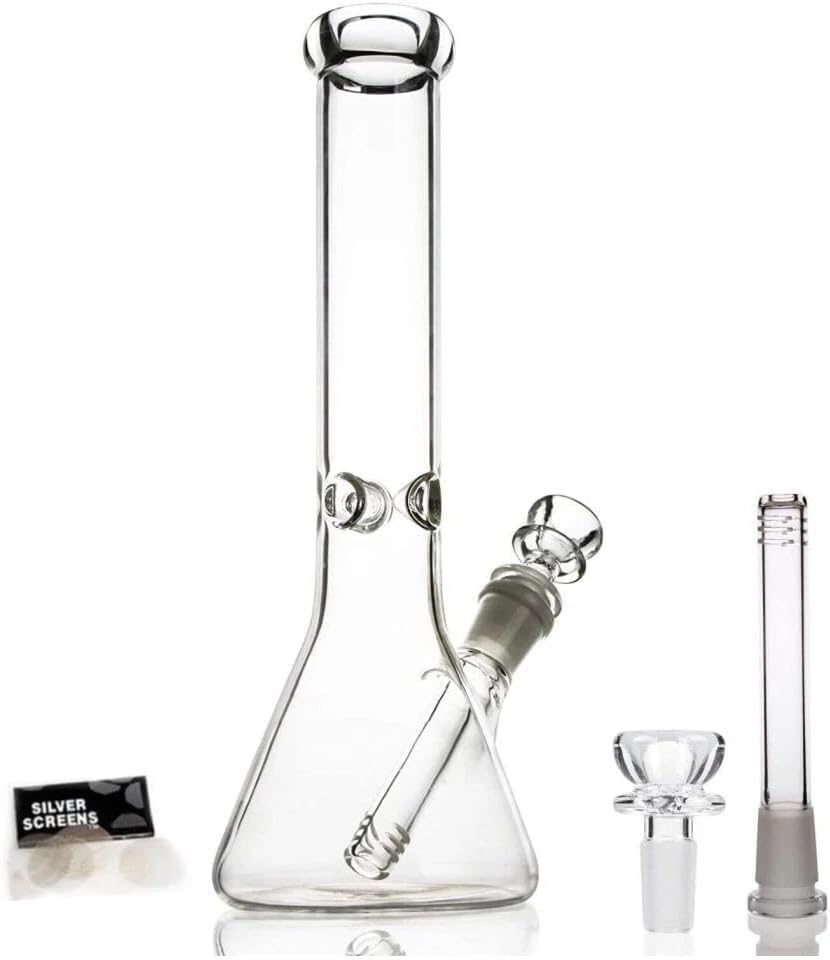
| 10" Heavy Beaker Bong with 14mm BowlGeneric | Smooth, water-filtered hits. Classic beaker base with superior stability and a standard 14mm bowl. | $48.99 | Check price at Amazon (opens in new tab) | |
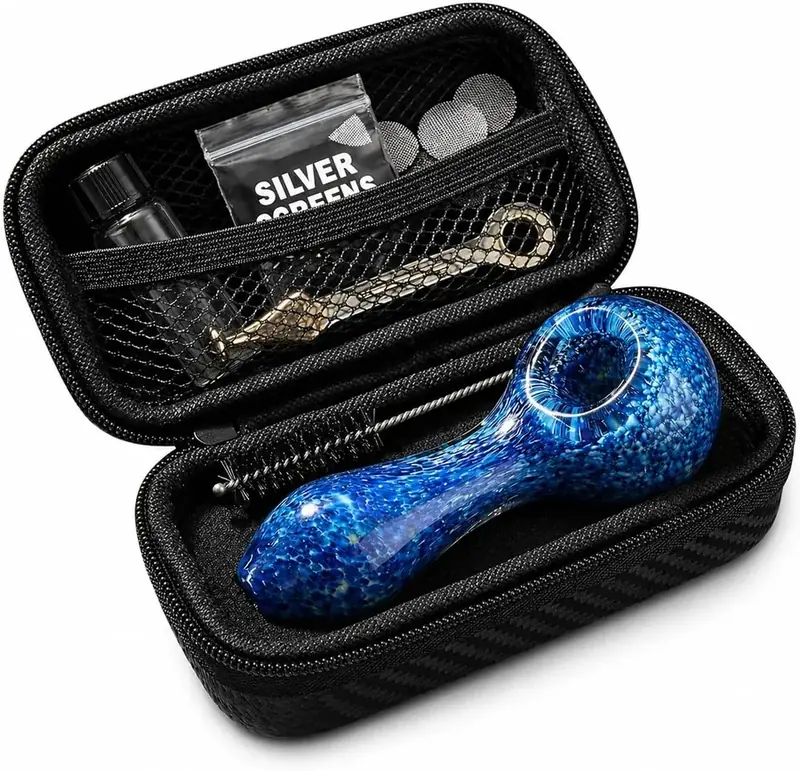
| 4" Glass Tobacco Pipe with KitMANHOS | Compact, portable smoking. Includes tamper, cleaner, and carrying case. | $25.99 | Check price at Amazon (opens in new tab) | |
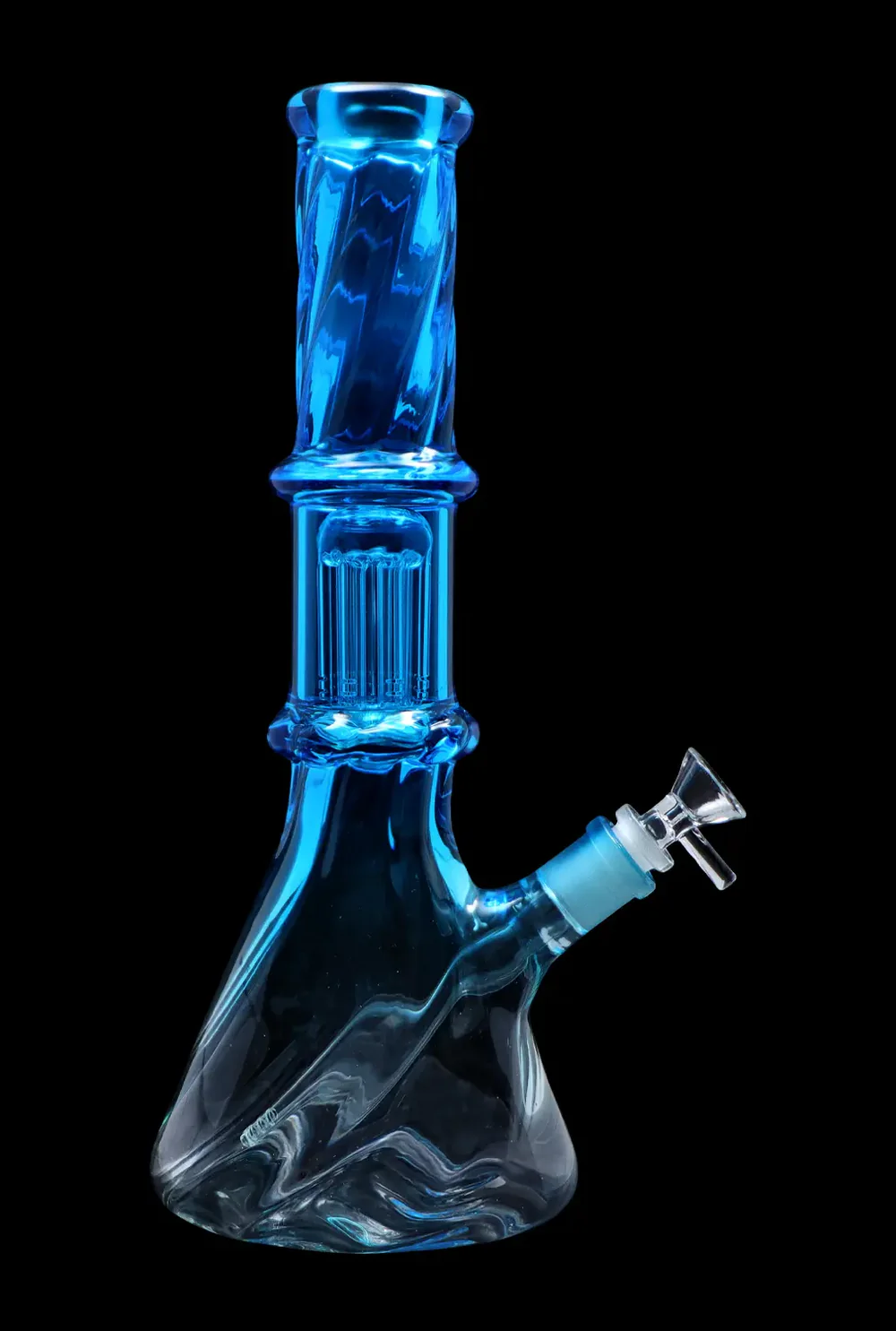
| Twisted Neon Beaker Bong with Tree PercSmoke Cartel | Borosilicate glass beaker bong with a twisted neon design, tree percolator, and beaker base built for smoother diffusion, sturdy handling, and eye-catching display appeal. | $84.99 | Check price at Smoke Cartel (opens in new tab) |
Related topic
Explore the Smoking Accessories hub
The right accessories make hemp flower and THCA products easier to use and more enjoyable. These guides cover beginner-friendly water pipes, rolling papers, and grinders — with honest picks at different price points.
Open Smoking AccessoriesProduct shortcut
Want products instead?
If you already know what format you want, jump straight into the matching product category.
Browse Smoking AccessoriesBest for
Adults buying their first water pipe and wanting a clear framework before browsing product listings.
Most common mistake
Buying something large, elaborate, or fragile as a first piece. A basic straight-tube or beaker in the 6–8 inch range is almost always the better first call.
What to budget
The $30–60 range covers solid borosilicate glass from established brands. Under $20 usually means thin glass or poor joints. Over $80 is unnecessary for a beginner.
How they compare
Size
Start small. You can always buy a larger piece once you know you will use it. Most first-time buyers who go large end up wishing they had started with something more manageable.
Material
Borosilicate glass is the default recommendation. Silicone is a legitimate choice for users who prioritize durability over flavor purity, or who travel frequently.
Design complexity
Percolators add surface area that traps resin. For a first piece, the cleaning burden rarely justifies the smoother hit. Learn on a simple design first.
Budget
The under-$20 tier is a false economy for most buyers — replacement costs quickly exceed the savings. The $30–60 range is where the durability-to-price ratio makes sense for a first purchase.
What actually makes a bong good for beginners
The defining quality of a good beginner bong is not impressiveness — it is usability. A first piece should be easy to fill, easy to clear, easy to clean, and hard enough to break that a small accident does not end it. That description points consistently toward one set of choices: compact size, simple design, and decent borosilicate glass.
The water in a bong serves two purposes: it cools the smoke and it filters some particulates before they reach your lungs. More water and more filtration does not automatically mean a better experience — it means slower draws and harder cleaning. For a new user still figuring out how much to pack, how hard to pull, and how to clear cleanly, a straightforward design removes variables. There is time to graduate to more complex pieces once the basics are dialed in.
One practical note that gets overlooked: where you will store and use it matters. A 14-inch bong on a desk is an accident waiting to happen. A 7-inch beaker in a stable spot with a flat base is much more forgiving.
Glass, silicone, and what to avoid
Borosilicate glass — the same material used in laboratory equipment — is the benchmark material for water pipes. It handles heat without cracking, does not leach chemicals, does not affect flavor, and is easy to inspect for cleanliness. It is available at every price point and is the default recommendation for most buyers. When a brand specifies "borosilicate glass" or "boro," that is the claim to look for.
Silicone has carved out a legitimate niche for users who prioritize durability above everything else. A silicone bong will survive drops that would shatter glass. It is collapsible, travel-friendly, and nearly indestructible. The tradeoffs: you cannot see resin buildup the way you can with glass, and some users find a slight flavor difference. Silicone is worth considering if portability or clumsiness is a real factor — not as a default.
What to avoid: unlabeled "soft glass," pieces described only as "hand-blown" without material specifications, and anything with visible seams in the glass or a loose-fitting downstem. Cheap glass frequently cracks at the joint where the downstem meets the base — a structural failure that makes the piece unusable after minimal use.
Size, percolators, and features worth skipping for now
Six to ten inches covers the practical range for a first piece. Pieces in this range hold enough water to cool smoke effectively, clear quickly with a moderate pull, and fit on a desk or table without being a liability. Eight inches is a common sweet spot: compact enough to store easily, tall enough that water stays in the base during normal use.
Percolators — the additional water chambers and diffusers you see in more elaborate designs — add filtration and cooling but significantly increase cleaning difficulty. Resin accumulates in every tube and opening. For occasional users or anyone who will not clean their piece weekly, a percolator bong becomes a maintenance burden that degrades the experience over time. The cleaner your piece, the better it functions. Simple designs make that maintenance realistic.
Ice notches (small indentations that hold ice cubes above the water chamber) are a feature worth looking for if you prefer cooler hits. They add no cleaning burden and are common on mid-range straight tubes and beakers. That is about the only added feature worth seeking out on a first piece.
Cleaning: plan for it before you buy
A water pipe that is not cleaned regularly tastes bad and functions worse. Resin coats the inside of the glass, discolors the water, and — if left long enough — becomes genuinely difficult to remove. The frequency question is real: a piece used daily probably needs a rinse after every few sessions and a full clean weekly. Less frequent use can extend that, but old resin is always harder to remove than fresh resin.
The standard cleaning method: coarse salt and isopropyl alcohol (91% or higher). Plug the openings, shake vigorously, rinse thoroughly with hot water. For stubborn resin in downstems or bowls, soaking in isopropyl for 30 minutes before scrubbing makes a meaningful difference.
Before buying, look at the piece with cleaning in mind. Wide openings are easier to reach. Straight tubes are faster to clean than beakers. Every percolator arm adds time. If the cleaning process for a particular piece looks like too much work for you to do consistently, that piece will not stay clean — and a dirty piece is worse than no piece at all.
Buyer checklist
- Look for borosilicate glass — avoid thin "soft glass" or unlabeled glass from unclear sources.
- Keep it simple: a straight tube or beaker base without multiple chambers is easiest to learn on and to clean.
- Check joint size (14mm is the most common standard) if you plan to add accessories later.
- Confirm the piece comes with a bowl/slide included, or budget for one separately.
- Read reviews specifically for comments on glass thickness and quality — not just aesthetics.
Browse beginner-friendly bongs on Amazon
Amazon listings cover a wide range of borosilicate glass and silicone water pipes across the $30–60 range, with buyer reviews that may help you compare quality and durability.
Elevated Guide may earn a commission on qualifying Amazon purchases. For adult use only where legal.
Sources and update notes
How this guide is maintained
Last reviewed: July 24, 2026
- This guide is reviewed periodically for product availability, cannabinoid terminology, claim restraint, and legal-awareness framing.
- Product prices, formulations, COAs, ingredients, and retailer policies can change after publication. Verify current details with the retailer before purchasing.
- For THCA, Delta-8, Delta-9, and other hemp-derived THC products, state law and total THC rules may affect whether a product is available or appropriate to buy.
Frequently asked questions
What size bong is best for a beginner?
Six to ten inches is the practical range for most beginners. Smaller pieces are easier to handle, store, and clean. The ideal size depends on where you will use it and how you plan to store it, but most experienced users recommend starting smaller than you think you need.
Is silicone or glass better for a first bong?
Borosilicate glass is the standard recommendation for most buyers — it is flavor-neutral, easy to inspect, and cleanable. Silicone is a legitimate alternative if you prioritize durability or portability: it will survive drops that would break glass. The tradeoff is that buildup is harder to see and some users notice a slight flavor difference.
How often should you clean a bong?
Daily users should rinse the water after every session and do a full salt-and-isopropyl clean at least once a week. Less frequent use can extend that schedule, but do not let resin sit for more than a few weeks — it hardens and becomes much harder to remove. A clean piece functions noticeably better than a dirty one.
What is a 14mm joint and why does it matter?
14mm refers to the diameter of the joint — the connection between the bowl/downstem and the bong. 14mm is the most common standard size, which means replacement bowls, downstems, and accessories are widely available and interchangeable. If you plan to swap accessories or replace parts, 14mm gives you the most options.