
Accessories guide
Bong vs Pipe
A pipe is simpler, cheaper, and easier to carry. A bong provides cooler, filtered hits but requires more maintenance. The right choice depends on where and how you use it.
Quick answer
A bong uses water to cool and filter smoke before inhalation. A pipe delivers smoke directly from the bowl to your lungs with no filtration. Smoother hits come from the bong; simpler use comes from the pipe.
Bongs require more frequent cleaning because resin builds up in the water chamber, downstem, and bowl. Pipes are much simpler to clean — often a single bowl and stem to maintain.
A basic glass pipe runs $10–30. A basic beginner bong runs $30–80. If budget or portability is a concern, a pipe is the more practical starting point for most buyers.
Key takeaways
- Water filtration cools smoke and filters some particulates. It does not eliminate health risks of combustion — it makes the experience smoother, not categorically safer.
- Cleaning frequency directly affects function. A dirty bong is worse than a clean pipe. If you will not clean regularly, a simpler pipe is the more realistic choice.
- Borosilicate glass is the material standard for both formats. Avoid soft glass or unlabeled glass for anything you plan to use regularly.
Products worth comparing
Products to consider
These products match the topic covered above. Always verify current pricing and availability before purchasing.
| Product image | Product | Best For | Price | Shop |
|---|---|---|---|---|
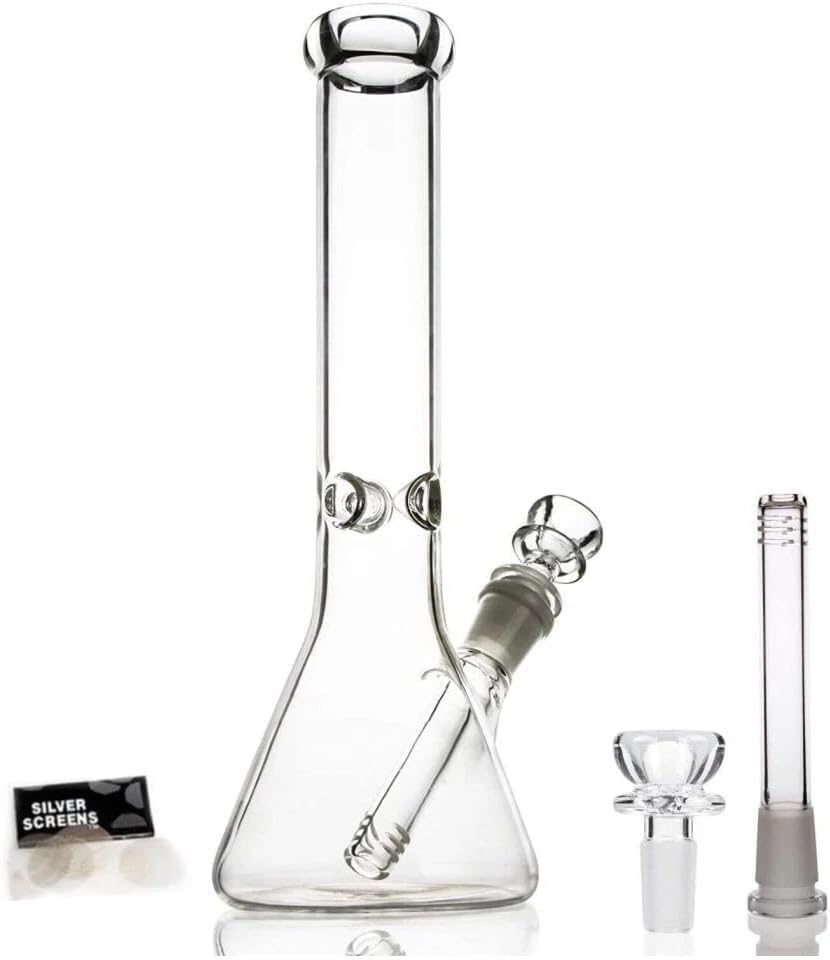
| 10" Heavy Beaker Bong with 14mm BowlGeneric | Smooth, water-filtered hits. Classic beaker base with superior stability and a standard 14mm bowl. | $48.99 | Check price at Amazon (opens in new tab) | |
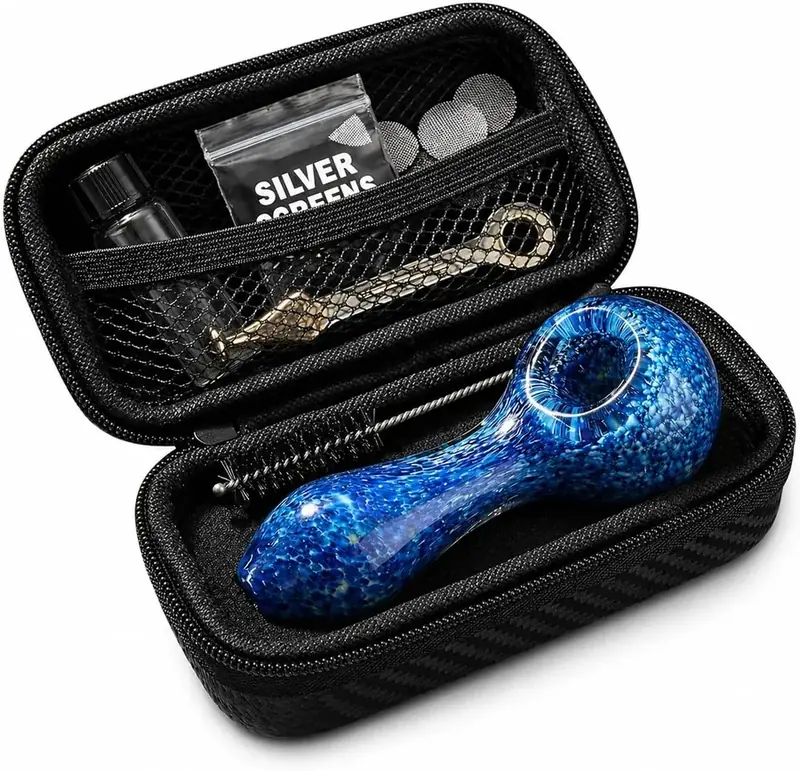
| 4" Glass Tobacco Pipe with KitMANHOS | Compact, portable smoking. Includes tamper, cleaner, and carrying case. | $25.99 | Check price at Amazon (opens in new tab) |
Related topic
Explore the Smoking Accessories hub
The right accessories make hemp flower and THCA products easier to use and more enjoyable. These guides cover beginner-friendly water pipes, rolling papers, and grinders — with honest picks at different price points.
Open Smoking AccessoriesProduct shortcut
Want products instead?
If you already know what format you want, jump straight into the matching product category.
Browse Smoking AccessoriesBest for
Buyers comparing bong and pipe formats who want to understand the practical differences before purchasing.
Most honest note
A dirty bong is not better than a clean pipe. Maintenance realism should drive the format decision as much as preference for filtration.
First purchase guidance
If you are buying your first piece, a simple glass pipe is a low-risk, low-cost starting point. You can always add a bong once you know your preferences.
How they compare
Filtration and smoothness
For users who find harsh smoke uncomfortable, the bong's water filtration makes a real, noticeable difference. If harshness is not a concern or you use a screen and pack lightly, a pipe is functionally adequate.
Cleaning burden
Cleaning commitment is the most important practical factor. If your honest assessment is that you will not clean your piece consistently, a pipe will stay cleaner with less effort. A dirty bong functions worse than a clean pipe.
Portability
If any use outside the home is anticipated, a pipe is the practical choice. Bongs are home-use devices. Taking a bong to a friend's house or outside is possible but inconvenient and fragile.
Price
Pipes are significantly cheaper at every quality tier. For a first purchase or a backup piece, a pipe offers the best durability-to-price ratio. Bongs require more investment for comparable build quality.
What water filtration actually does
The water in a bong serves two primary functions: it cools the smoke and it filters some particulates. Cooling happens through conduction as hot smoke travels through the water. Smoke that would otherwise reach your lungs at near-combustion temperature arrives noticeably cooler, which reduces the harshness and irritation of each hit.
Filtration through water removes some water-soluble compounds and traps some particulates. This is a genuine reduction in some inhaled compounds — but it does not make bong smoke "safe" in any absolute sense. Combustion still produces byproducts that pass through water, and some desirable compounds (including THC itself) are partially absorbed by water. The water filtration argument is about comfort and reduced harshness, not elimination of inhalation risks.
More water and more diffusion (from percolators) does not automatically mean better. Additional diffusion increases drag, makes clearing harder, and dramatically increases cleaning difficulty. For most users, a simple beaker or straight tube with a basic downstem provides adequate cooling and filtration. Complex percolator designs are a preference feature, not a functional requirement.
Cleaning requirements for each format
The most common mistake with bongs is underestimating the cleaning commitment. Resin accumulates in the water chamber, on the glass around the waterline, inside the downstem, and in the bowl. Old bong water itself becomes a source of bacteria and mold if left sitting. A piece used daily needs the water changed after every session and a full salt-and-isopropyl clean weekly. Less frequent use can stretch that schedule, but never by more than a few weeks.
Pipes are much more forgiving. A spoon pipe with moderate use needs a real clean every few weeks — a 30-minute soak in 91%+ isopropyl alcohol followed by a rinse removes most resin. Between cleanings, a pipe screen and light packing reduce buildup. The maintenance burden is low enough that most users find it easy to keep a pipe functionally clean without a formal cleaning routine.
Cleaning frequency should factor into your purchasing decision. A bong you do not clean consistently tastes worse than a clean pipe and eventually develops a resin coating that requires serious effort to remove. Be honest about whether you will maintain whatever you buy — the nicest bong used infrequently in an unmaintained state is not serving its purpose.
Portability and practical use cases
A pipe goes where you go. It fits in a pocket, a bag, or a jacket. If your use includes anything outside your home — at a friend's place, outdoors, traveling — a pipe is the realistic choice. Pipes can be wrapped in cloth or a case for protection, and a quality borosilicate piece survives a reasonable amount of accidental handling.
Bongs are home equipment. The water-filled glass chamber is fragile in transit, the downstem and bowl are vulnerable to breakage, and the overall form factor is not designed for portability. A silicone bong can travel better than glass — the material is nearly indestructible — but it still requires filling with water before use, which is not practical outside a controlled setting.
For home-only users who want the smoothest possible experience and will commit to cleaning regularly, a bong is worth the price difference over a pipe. For anyone with more varied use patterns, a pipe covers most use cases more practically.
Which format suits which type of user
Pipes suit most buyers as a first or only piece. The low price point, portability, simple maintenance, and adequate functionality cover most use cases. A quality borosilicate spoon pipe in the $15–25 range is a reliable, long-lived piece that asks very little of its owner.
Bongs suit users who: use primarily or exclusively at home; prioritize the smoothest possible hit experience; are willing to clean regularly; and have established enough preference through prior pipe use to know they want the next step up. A bong is a better second piece than a first piece for most buyers — it makes more sense once you know what you are optimizing for.
If you are buying your first piece, buy a simple glass pipe. If you already have a pipe and want to invest in a home piece that produces a noticeably smoother experience and you are committed to maintenance, a basic borosilicate beaker bong in the $40–60 range is a reasonable next purchase.
Buyer checklist
- Assess honestly how frequently you will clean your piece — bongs require more maintenance than pipes.
- Consider portability: pipes travel; bongs do not.
- For a bong, look for borosilicate glass, simple design (no percolators for a first bong), and a 14mm joint.
- For a pipe, look for borosilicate glass with reasonable wall thickness — avoid thin glass.
- Budget: pipes are fine at $15–30; bongs are fine at $35–60.
Browse water pipes on Amazon
Amazon listings cover borosilicate glass water pipes across the beginner price range, with buyer reviews that may help you compare glass thickness and quality.
Elevated Guide may earn a commission on qualifying Amazon purchases. For adult use only where legal.
Browse glass pipes on Amazon
Amazon listings cover a wide selection of borosilicate glass spoon pipes and chillums across the $10–30 range, with buyer reviews that may help you compare durability and glass quality.
Elevated Guide may earn a commission on qualifying Amazon purchases. For adult use only where legal.
Sources and update notes
How this guide is maintained
Last reviewed: July 24, 2026
- This guide is reviewed periodically for product availability, cannabinoid terminology, claim restraint, and legal-awareness framing.
- Product prices, formulations, COAs, ingredients, and retailer policies can change after publication. Verify current details with the retailer before purchasing.
Frequently asked questions
Is a bong better than a pipe?
A bong produces cooler, smoother hits than a pipe due to water filtration and cooling. Whether it is "better" depends entirely on what you value. If smooth hits are the priority and you will clean it consistently, a bong is a better experience. If portability, simplicity, and low maintenance are the priority, a pipe is better. Both are legitimate choices — neither is universally superior.
Do bongs get you higher than pipes?
Not inherently. The amount of THC consumed depends on how much you pack and how efficiently you clear the bowl — not the device format. Water in a bong actually absorbs some THC, which can marginally reduce efficiency. The bong produces a smoother, cooler hit that may feel easier to take larger draws from, which could lead to consuming more in a single session — but that is a behavioral effect, not a pharmacological one.
Are pipes easier to clean than bongs?
Yes, significantly. A pipe has one chamber and a simple stem. A bong has a water chamber, downstem, joint connection, and bowl — all of which accumulate resin at different rates. Cleaning a pipe typically takes 30 minutes of isopropyl soak plus a rinse. Cleaning a bong thoroughly takes longer and requires more attention to multiple parts. If regular cleaning is a concern, a pipe is the more practical choice.
What should I buy first — a bong or a pipe?
A pipe, in most cases. A quality borosilicate glass pipe in the $15–25 range is a low-risk first purchase that teaches you your preferences without significant investment. If you find you consistently wish for smoother, cooler hits and you are willing to commit to regular cleaning, adding a bong as a second piece is a well-informed decision. Buying a bong as your first piece means making a larger investment before you know whether the format fits your actual use patterns.