
Accessories guide
Best Herb Grinders
A good grinder makes a consistent difference in every session. Here is what the specs actually mean and what to look for at each price point.
Quick answer
A 4-piece grinder with a kief catcher is the standard recommendation for most buyers: it collects fine material that would otherwise be wasted and produces a more consistent grind than 2-piece designs.
Aluminum (aircraft-grade anodized) and zinc alloy are the two quality material standards. Both hold up to daily use. Avoid plastic grinders — the teeth wear down, produce plastic shavings, and break at the threads.
Size matters for how much you can grind at once, not for quality. A 2.0–2.5 inch diameter is the standard for home use; 1.5 inch and smaller are useful for travel.
Key takeaways
- Material is the most important variable: aluminum and zinc alloy grinders last years; plastic grinders last months and can contaminate your flower.
- A 4-piece grinder collects kief — the fine trichome-rich material that passes through the screen — which adds up meaningfully over time.
- Sharp diamond-cut teeth produce a more consistent grind than blunt pegs. Consistency in grind size directly affects how evenly material burns in a bowl, joint, or vaporizer.
Products worth comparing
Products to consider
These products match the topic covered above. Always verify current pricing and availability before purchasing.
| Product image | Product | Best For | Price | Shop |
|---|---|---|---|---|
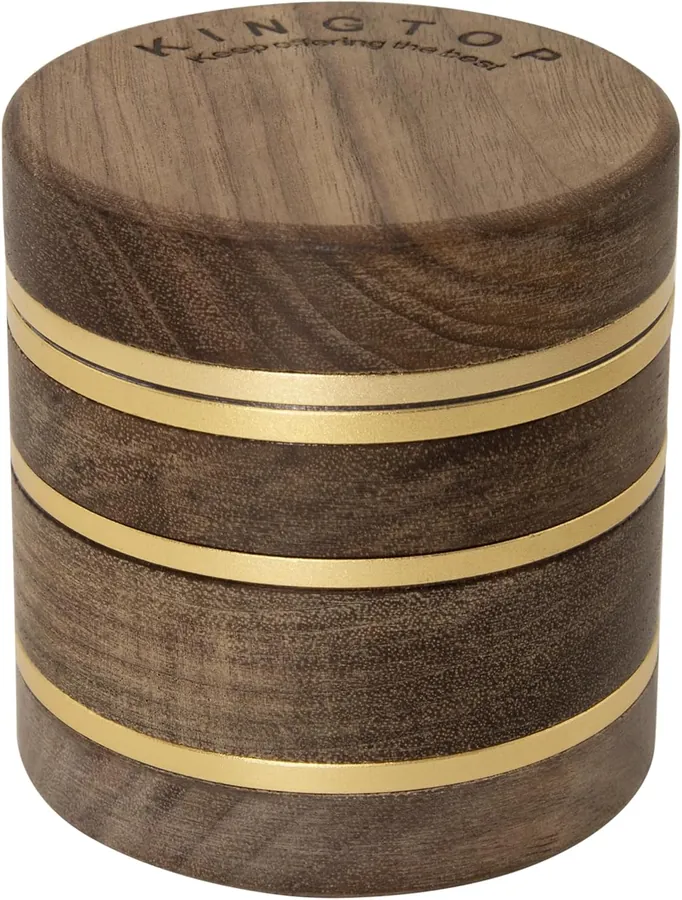
| 2.5" Walnut Wood & Aluminum GrinderKingtop | Consistent, even grind with a natural walnut wood finish. | $22.99 (on sale from $28.99) | Check price at Amazon (opens in new tab) | |
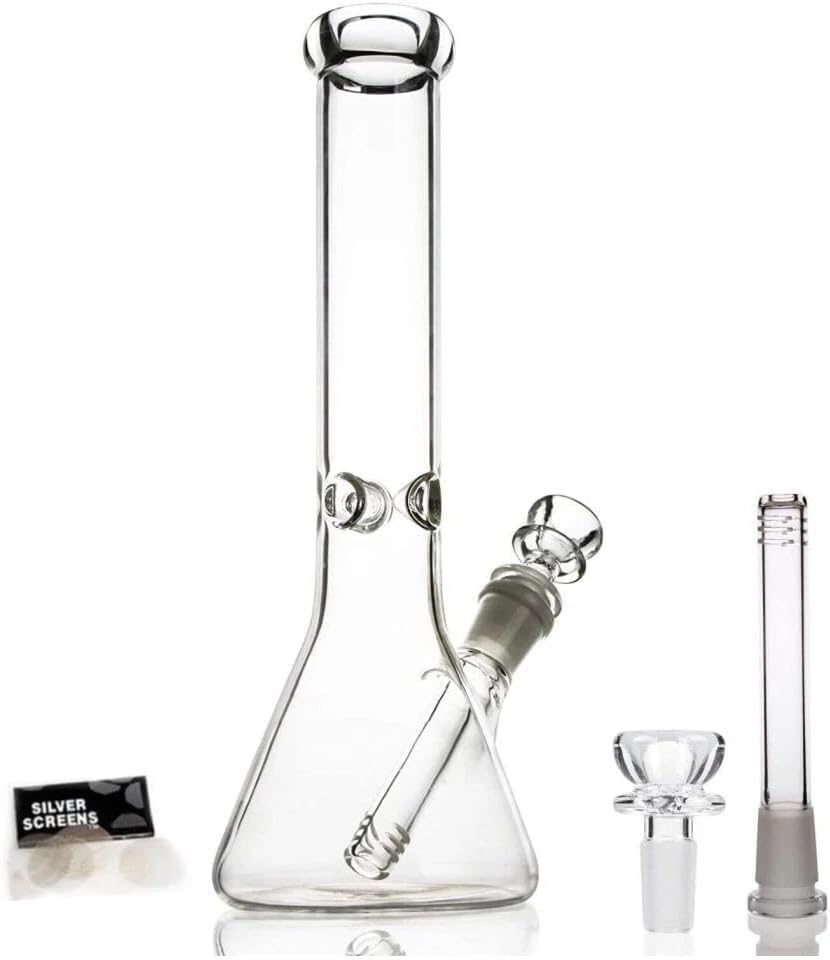
| 10" Heavy Beaker Bong with 14mm BowlGeneric | Smooth, water-filtered hits. Classic beaker base with superior stability and a standard 14mm bowl. | $48.99 | Check price at Amazon (opens in new tab) | |
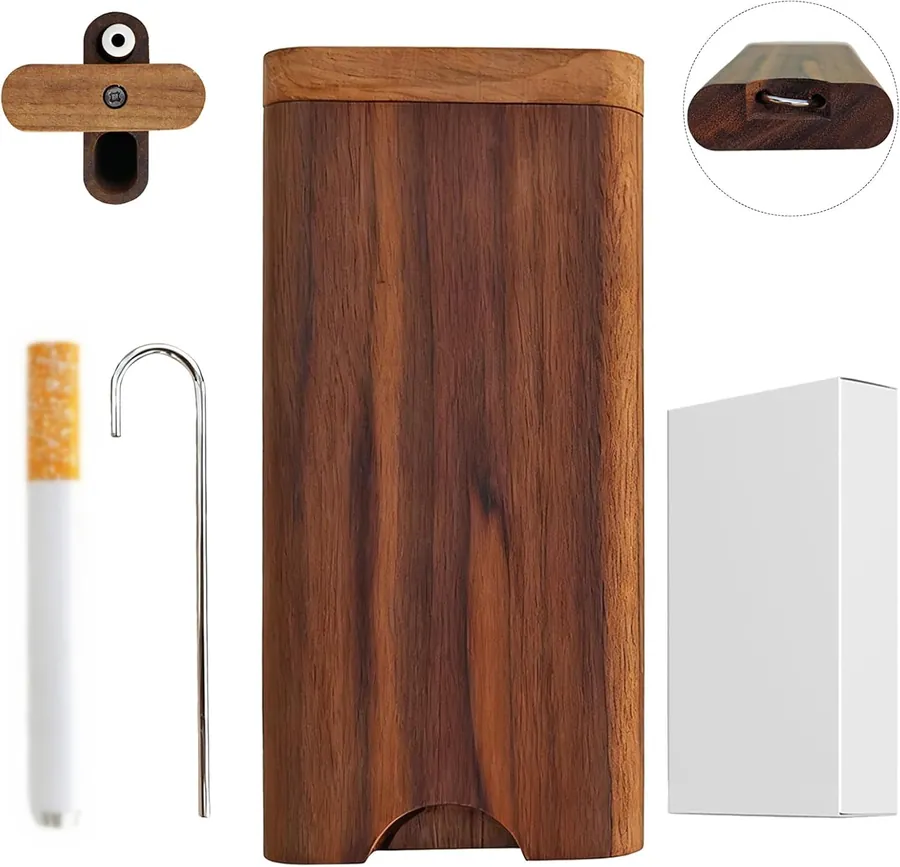
| Walnut Wood One-Hitter Dugout BoxMXZFFF | Discreet, portable smoking. Handcrafted walnut box with metal one-hitter tube and cleaning rod included. | $19.69 | Check price at Amazon (opens in new tab) |
Related topic
Explore the Smoking Accessories hub
The right accessories make hemp flower and THCA products easier to use and more enjoyable. These guides cover beginner-friendly water pipes, rolling papers, and grinders — with honest picks at different price points.
Open Smoking AccessoriesProduct shortcut
Want products instead?
If you already know what format you want, jump straight into the matching product category.
Browse Smoking AccessoriesBest for
Buyers comparing grinder materials, sizes, and chamber counts before purchasing, or replacing a worn-out plastic grinder.
Single most important feature
Material. An aluminum or zinc alloy grinder at $20–35 will outlast five $8 plastic grinders and never contaminate your flower with plastic shavings.
Often underestimated
The kief catcher. Over weeks and months of use, the fine material collected in the bottom chamber adds up to a meaningful amount. A 2-piece grinder discards all of it.
How they compare
Material
Do not buy a plastic grinder as your primary piece. The contamination risk and rapid wear make it a false economy at any price. A $20 aluminum grinder from a reputable brand is a one-time purchase for most users.
Chamber count
For most buyers, 4-piece is the straightforward recommendation. The kief that collects in the bottom chamber over time is worth having. 2-piece is only meaningfully better if you prioritize simplicity and hate cleaning screens.
Size
Size affects convenience and capacity, not grind quality. Buy for how and where you will use it. Most buyers default to the 2.0–2.2 inch range as a practical middle ground.
Tooth design
Tooth design affects grind consistency more than most buyers expect. Sharp teeth produce a more even grind, which burns more uniformly in bowls and vaporizers. Check product photos for tooth shape before buying.
Why a grinder matters more than most buyers expect
Hand-breaking flower works, but it is inefficient and inconsistent. Fingers transfer oils that degrade trichomes, the result is uneven particle size that burns unevenly in a bowl or rolls loosely in a paper, and fine material that could have been collected is spread through the mix or stuck to your fingers.
A grinder solves all of these problems at once. Consistent particle size means more even burning in a bowl, a denser and more structurally sound roll in a joint, and more efficient vaporization in a dry herb vaporizer. For vaporizers in particular, grind consistency is directly tied to efficiency — coarse uneven material produces hot spots and wasted flower.
The kief catcher in a 4-piece grinder collects the finest material — primarily trichomes — that passes through the screen. This accumulates over time. Users who have switched from 2-piece to 4-piece grinders are often surprised at how much material they were previously losing.
Materials: what the specs actually mean
Anodized aluminum is the standard material for quality grinders at every price point above the budget tier. Anodization is a surface treatment that hardens the aluminum and creates a non-reactive finish — it does not chip, flake, or react with flower. Aircraft-grade aluminum (the specification used by most quality brands) is harder than the standard alloy and holds threading better over time.
Zinc alloy is used in many mid-range grinders and is a legitimate alternative to aluminum. It is slightly heavier, mills to tighter tolerances, and is slightly more resistant to warping under heat. Quality zinc alloy grinders from brands like Cali Crusher or Santa Cruz Shredder perform as well as aluminum in practice. The difference is negligible for most buyers.
Avoid plastic and acrylic for primary use. Plastic teeth dull quickly, the bodies crack at the threading over time, and low-quality plastic can introduce shavings into your flower. Wood grinders are aesthetic pieces that work passably but collect resin in ways that are difficult to clean and can crack with moisture. Neither is worth considering if function is the priority.
Features that matter versus features that do not
Diamond-cut teeth are worth looking for specifically. The sharp, angled teeth shear flower cleanly rather than tearing it, producing more consistent particle size. Many budget grinders have rounded or blunt pegs that technically grind but do so poorly. Photos of the tooth profile tell you a lot — look for sharp, distinct points, not flat-topped cylinders.
The screen quality in a 4-piece grinder determines how much kief passes through versus stays with the ground flower. A 100–150 micron screen is the standard range for most grinders. Some premium grinders offer replaceable screens, which is worth noting if you plan to use the grinder heavily.
Magnets in the lid are a practical feature — they keep the top chamber closed during grinding and prevent accidental openings. Check reviews specifically for magnet strength: too weak means the lid falls open; too strong makes the grinder unnecessarily difficult to open. Mid-range magnets from established brands hit the balance well.
Clear windows in the grinding chamber sound appealing but usually add cost without meaningful functional benefit. Skip them unless the aesthetic matters specifically to you.
Cleaning and maintenance for aluminum grinders
Metal grinders will accumulate resin over time, especially around the threading and in the screen. A grinder that is difficult to twist open is almost always a cleaning issue, not a defect. Regular maintenance keeps it functioning properly.
The basic process: place the disassembled grinder in the freezer for 30 minutes to harden the resin, then tap it gently on a clean surface to loosen buildup. Use a small brush (many grinders include one; a clean toothbrush works) to sweep kief from the collection chamber before it hardens. For deeper cleaning, soak metal parts in isopropyl alcohol (not the kief chamber if you want to preserve the contents), scrub with a brush, and rinse with hot water.
Avoid dishwashers and any cleaning method that gets water inside the kief chamber or screen — the anodized finish can degrade with prolonged water exposure, and the screen requires gentle cleaning to avoid stretching.
Buyer checklist
- Choose aluminum or zinc alloy — avoid plastic and wood for primary use.
- Get a 4-piece grinder with a kief catcher unless you have a specific reason for a simpler design.
- Look for diamond-cut or sharp-edged teeth, not flat pegs.
- Check the magnet — the lid should close and stay closed without being difficult to open.
- For vaporizers specifically, aim for a medium-fine grind consistency rather than the coarsest setting.
Browse herb grinders on Amazon
Amazon listings cover a wide selection of aluminum and zinc alloy 4-piece grinders, with buyer reviews that may help you compare build quality and longevity.
Elevated Guide may earn a commission on qualifying Amazon purchases. For adult use only where legal.
Sources and update notes
How this guide is maintained
Last reviewed: July 24, 2026
- This guide is reviewed periodically for product availability, cannabinoid terminology, claim restraint, and legal-awareness framing.
- Product prices, formulations, COAs, ingredients, and retailer policies can change after publication. Verify current details with the retailer before purchasing.
- For THCA, Delta-8, Delta-9, and other hemp-derived THC products, state law and total THC rules may affect whether a product is available or appropriate to buy.
Frequently asked questions
What is the difference between a 2-piece and 4-piece grinder?
A 2-piece grinder has a top and bottom chamber that grinds flower between two sets of teeth. A 4-piece grinder adds a middle screen chamber and a bottom kief catcher. The screen separates fine trichome-rich material (kief) from the ground flower and collects it in the bottom chamber. Over time, this kief adds up. For most buyers, 4-piece is worth the additional cost.
Is aluminum or zinc alloy better for a grinder?
Both are quality materials for grinders. Anodized aluminum is the more common standard and performs well across price points. Zinc alloy is slightly heavier and mills to tighter tolerances, which some users prefer. The functional difference is small — brand reputation and tooth design matter more than which metal is used.
How do you clean a sticky grinder?
Disassemble the grinder and place the pieces in a freezer for 30 minutes — this hardens the resin and makes it easier to dislodge. Tap the pieces on a clean surface to loosen buildup, then use a small brush to clean the teeth, screen, and threading. For heavier buildup, soak metal parts in isopropyl alcohol for 15–30 minutes, scrub, and rinse with hot water. Let everything dry completely before reassembling.
What grinder size is best for home use?
Two to 2.5 inches in diameter is the practical standard for home use. This size grinds enough for several sessions at once, fits comfortably in a hand, and is easy to store. The 2.2-inch range is a common sweet spot. Smaller sizes (1.5 inches and under) are primarily for portability and travel, not a functional improvement.