
Accessories guide
How to Clean a Bong
A clean bong functions better, tastes better, and is more hygienic. The process is straightforward once you know the materials and sequence.
Quick answer
Standard method: coarse salt + 91%+ isopropyl alcohol. Plug the openings, shake vigorously for 2 to 3 minutes, rinse thoroughly with hot water. Repeat if needed for heavy buildup.
How often: rinse with hot water after every session; full cleaning once a week for daily users, every 2 to 3 sessions for occasional users.
Do not use dish soap — it leaves residue that affects flavor and is difficult to fully rinse from a bong's inner surfaces.
Key takeaways
- Fresh resin cleans in minutes. Old resin can take significant soaking time. Regular cleaning is always faster and easier than periodic deep cleaning.
- Coarse salt (not fine table salt) acts as a mechanical abrasive to help the isopropyl break up resin. The combination of abrasive and solvent is more effective than either alone.
- The downstem and bowl require separate cleaning — they accumulate the most resin and need their own soak and scrub.
Products worth comparing
Products to consider
These products match the topic covered above. Always verify current pricing and availability before purchasing.
| Product image | Product | Best For | Price | Shop |
|---|---|---|---|---|
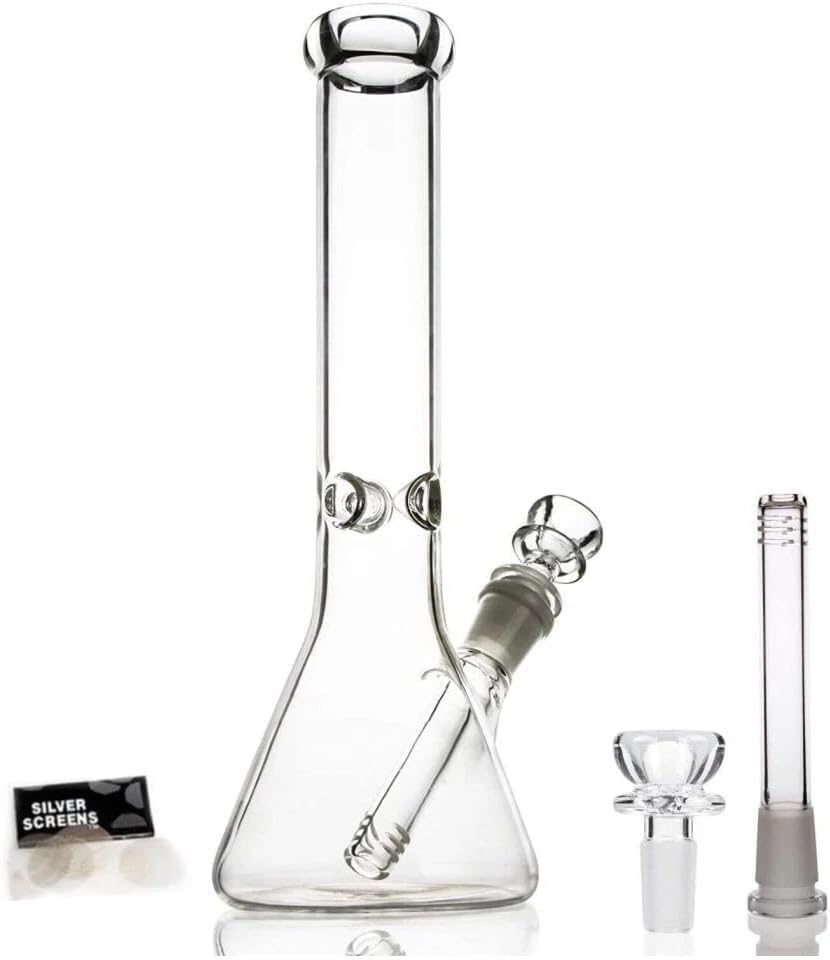
| 10" Heavy Beaker Bong with 14mm BowlGeneric | Smooth, water-filtered hits. Classic beaker base with superior stability and a standard 14mm bowl. | $48.99 | Check price at Amazon (opens in new tab) |
Related topic
Explore the Smoking Accessories hub
The right accessories make hemp flower and THCA products easier to use and more enjoyable. These guides cover beginner-friendly water pipes, rolling papers, and grinders — with honest picks at different price points.
Open Smoking AccessoriesProduct shortcut
Want products instead?
If you already know what format you want, jump straight into the matching product category.
Browse Smoking AccessoriesBest for
Anyone learning to clean a bong for the first time, or anyone whose cleaning attempts have not fully worked.
Most important materials note
91% isopropyl is meaningfully more effective than 70%. The higher alcohol concentration dissolves resin faster. Do not substitute 70% if 91% is available.
Freezer tip
For stubborn resin, 30 minutes in the freezer hardens it enough to crack and dislodge with less scrubbing. Works especially well on caked-on older residue.
Why cleaning matters: function and taste
A clean bong and a dirty bong are not the same device in function. Fresh bong water and clean glass provide the cooling and filtration that make water pipes worth using. Old bong water that has been sitting for days is a bacterial growth medium with a strong odor that negatively affects every hit. Resin coating the glass reduces airflow, traps flavor compounds that degrade the taste, and eventually hardens into a layer that requires significant effort to remove.
The taste difference between a freshly cleaned bong and one that has been used through several sessions without cleaning is noticeable and unpleasant. Many users who report that their bong "does not taste good" are using a dirty piece, not a bad product. Cleaning frequency is the single most controllable variable in the experience quality of a water pipe.
There is also a hygiene consideration. Bong water that sits for more than a day begins to grow bacteria and potentially mold, depending on temperature and light conditions. Consuming vapor that has passed through contaminated water is not the same as consuming vapor through clean water. Changing the water after every session eliminates this concern entirely.
Materials you need for a thorough clean
The core cleaning combination is coarse salt and 91%+ isopropyl alcohol. Coarse salt (Himalayan pink salt, sea salt, or kosher salt — anything with a larger grain size than table salt) acts as a mechanical abrasive. The coarse grains are large enough to scrub resin from the glass during shaking without being so large that they scratch the surface. Fine table salt dissolves in the isopropyl before it has time to work as an abrasive — it is much less effective.
Isopropyl alcohol concentration matters. 91% isopropyl is significantly more effective at dissolving resin than 70% because the higher alcohol concentration means less water diluting the solvent action. 99% isopropyl is the most effective option and is available at most pharmacies. If you can only find 70%, it will work for a light clean but will require longer soak time for heavy buildup.
Additional materials: rubber stoppers or folded paper towels to plug the mouthpiece and downstem joint; a small brush or pipe cleaner for the downstem and bowl; and optionally, resealable plastic bags for soaking the removable parts separately. A sink with hot water access for rinsing is necessary. Gloves are optional but keep your hands clean and protect skin from prolonged isopropyl exposure.
Step-by-step cleaning process
Step 1: Empty the bong and disassemble it. Remove the downstem and bowl and set them aside for separate cleaning. Dispose of old bong water.
Step 2: Pour coarse salt into the bong — roughly 3 to 4 tablespoons for a standard-sized piece. Follow with 91%+ isopropyl alcohol — enough to cover the resin-coated areas, typically a quarter to a third of the chamber's capacity. You do not need to fill it completely.
Step 3: Plug the mouthpiece with a rubber stopper or a folded paper towel held firmly. Cover the downstem joint the same way. Shake the bong vigorously for 2 to 3 minutes. The salt scrubs as it moves through the isopropyl, and the combination breaks up resin from the glass walls.
Step 4: Dispose of the dirty salt/isopropyl mixture. Rinse thoroughly with hot water, shaking to ensure all salt is flushed out. Repeat the isopropyl and salt soak if buildup remains. Rinse again.
Step 5: Soak the downstem and bowl in a resealable bag with isopropyl alcohol for 30 minutes, or longer for heavy buildup. Use a small brush or pipe cleaner to scrub accessible surfaces. Rinse with hot water.
Step 6: Air dry completely before refilling. Residual isopropyl will evaporate if the piece is left to dry — do not rush this step. Using a bong with alcohol residue in it is unpleasant and unnecessary with a little patience.
Cleaning the downstem and bowl
The downstem and bowl accumulate the most concentrated resin of any part of the bong and require specific attention. Because they are removable, they can be soaked directly in isopropyl alcohol for much longer and more complete contact time than the main chamber allows.
Place the downstem and bowl in a resealable bag with enough 91%+ isopropyl to submerge them. Add a pinch of coarse salt. Let them soak for 30 minutes minimum — up to several hours for heavily fouled pieces. After soaking, use a small brush (a pipe cleaner is ideal for the downstem tube) to work the loosened resin out. Rinse thoroughly under hot water until no isopropyl smell remains.
For downstems with slits or holes (diffused downstems), getting a brush into each opening is important — resin can seal off some holes, which reduces the diffusion effect and affects airflow. A thin pipe cleaner or small bristle brush can reach these areas. If you cannot get a brush in, an extended soak followed by forceful water rinse usually clears partially blocked diffuser holes.
Preventive maintenance to keep cleaning manageable
The single most effective maintenance habit: dump the bong water after every session. Old bong water is the primary driver of the smell and taste degradation that makes cleaning feel urgent. Fresh water before each session costs nothing and prevents the worst buildup. This one habit cuts the frequency of full cleanings significantly.
A quick rinse of the main chamber with hot water after every use (just water, no cleaning agents) prevents a thin resin film from becoming a thick buildup. The few seconds this takes between sessions save significant time on periodic deep cleans.
The freezer trick for stubborn resin: if you are working with a piece that has heavy caked-on resin that the standard shake method has not fully addressed, place the empty, disassembled bong in the freezer for 30 minutes. Cold hardens resin, making it brittle. After the freeze, tap the piece gently on a clean surface — some hardened resin will crack and dislodge without scrubbing. Follow with the standard isopropyl salt clean for remaining residue.
Buyer checklist
- Gather materials before starting: coarse salt, 91%+ isopropyl alcohol, rubber stoppers or paper towels, small brush for downstem.
- Empty old bong water first.
- Remove the downstem and bowl for separate cleaning.
- Allow the piece to dry completely before reassembling and refilling.
- Consider cleaning supplies stocked in advance so cleaning is never delayed by a missing material.
Browse isopropyl alcohol on Amazon
Amazon listings cover 91% and 99% isopropyl alcohol in cleaning-appropriate quantities. The higher concentration is meaningfully more effective for resin removal than 70%.
Elevated Guide may earn a commission on qualifying Amazon purchases. For adult use only where legal.
Sources and update notes
How this guide is maintained
Last reviewed: July 24, 2026
- This guide is reviewed periodically for product availability, cannabinoid terminology, claim restraint, and legal-awareness framing.
- Product prices, formulations, COAs, ingredients, and retailer policies can change after publication. Verify current details with the retailer before purchasing.
Frequently asked questions
How often should I clean my bong?
Dump the bong water and do a hot water rinse after every session. For daily users, a full salt-and-isopropyl clean once a week prevents resin from hardening to the point where cleaning is a major effort. For occasional users (a few times per week), cleaning every 2 to 3 sessions is adequate. The rule of thumb: if the water looks brown or has a smell before you have used it, the piece needed cleaning before you used it.
Can I use dish soap to clean a bong?
Dish soap is not recommended for bong cleaning. Soap leaves a residue on glass surfaces that is difficult to fully rinse from the interior of a bong — particularly around the downstem joint and any percolator features. Soap residue affects flavor and can produce unwanted bubbles in the water during use. Isopropyl alcohol dissolves resin without leaving residue and evaporates completely after rinsing. Use soap only for the exterior if necessary; use isopropyl for all interior surfaces.
What if resin won't come off even with isopropyl and salt?
For heavily caked-on resin, extend the soak time significantly — 2 to 4 hours in 91%+ isopropyl produces much better results than a short shake. The freezer trick helps: 30 minutes in the freezer hardens resin, then a shake to crack it loose before the isopropyl soak. For extremely stubborn buildup, dedicated glass cleaning solutions (Formula 420, Randy's Black Label) contain higher concentrations of cleaning agents and are formulated specifically for resin removal. These can be effective where extended isopropyl soaks have not fully resolved the issue.
How do I clean a silicone bong?
Silicone bongs should not be cleaned with isopropyl alcohol at high concentrations — prolonged isopropyl exposure can degrade silicone over time. The recommended method for silicone: disassemble, boil in hot water (silicone is heat-safe), or use a mild dish soap solution with thorough rinsing. Many silicone bongs are also dishwasher-safe on the top rack without the glass bowl and downstem. For resin buildup in a silicone piece, a dedicated silicone-safe cleaner is the safest choice. Check the manufacturer's recommendation for your specific product.