
Thca guide
Best THCA Flower
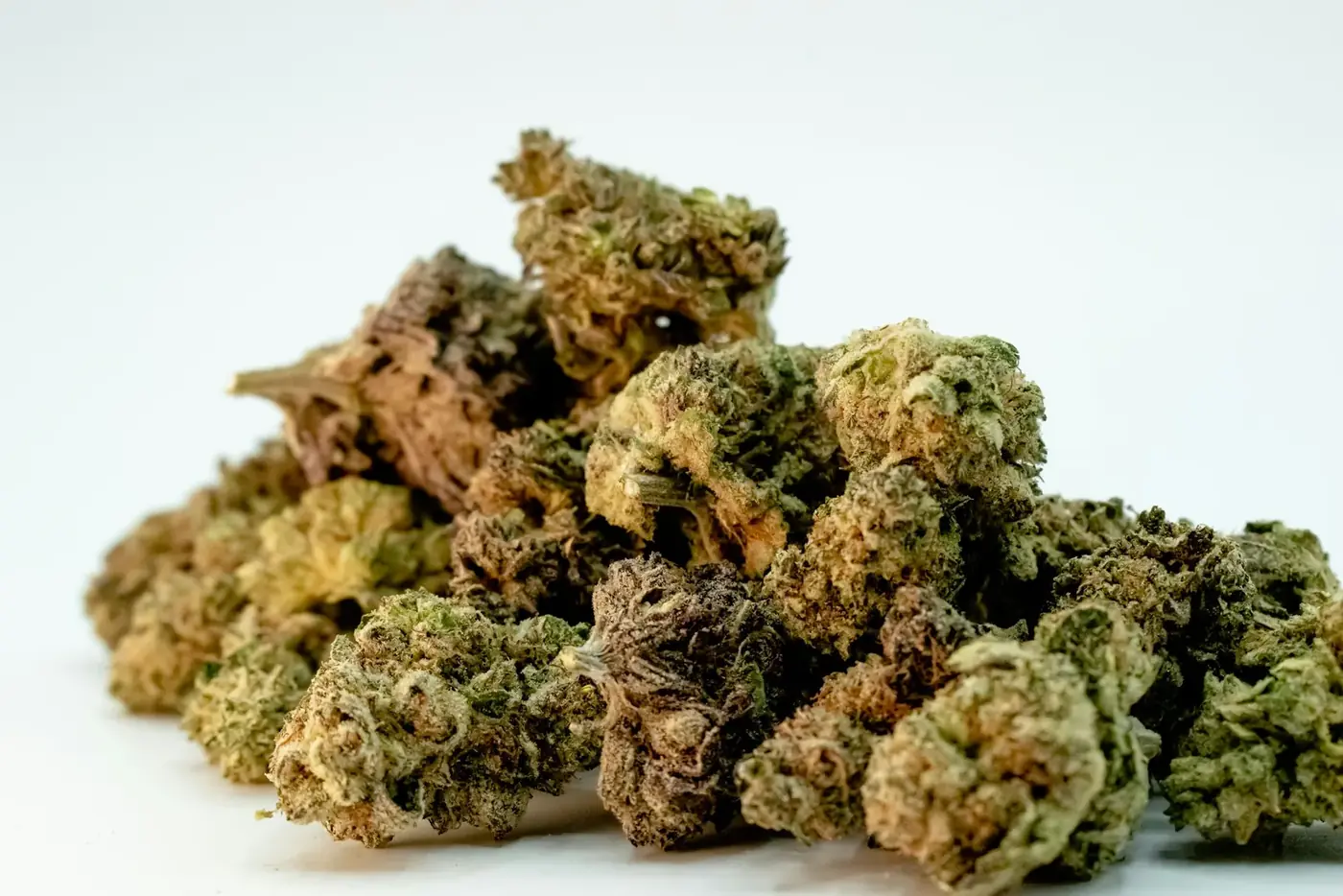
THCA flower is hemp-derived flower that tests below 0.3% delta-9 THC before heating, but converts to psychoactive THC when smoked or vaped. These are the top picks across potency, value, and effects — all from brands with published lab results and consistent inventory.
Quick answer
The best THCA flower for most buyers is Governmint Oasis by Puffy — indoor-grown, hybrid-balanced, and reliably stocked at $59.95 for 7 grams.
For maximum potency, Alien Head by Yumz Labs tests at 30.67% THCa and is one of the highest lab-verified percentages available in the hemp market.
If value per gram is the priority, Blue Skunk by Puffy delivers 28 grams (one ounce) for $54.95 — roughly $1.96 per gram for indoor-grown indica-hybrid with a clean terpene profile.
Key takeaways
- THCA flower works the same as traditional high-THC cannabis when smoked or vaped — heating converts THCA to delta-9 THC through decarboxylation.
- Potency above 25–26% THCA is genuinely strong. Claims above 30% are achievable but require a published batch-specific COA from a licensed third-party lab to take seriously.
- Indoor-grown flower generally delivers better terpene retention, denser buds, and more consistent potency than greenhouse or outdoor alternatives.
- Snow-capped or crystal-dusted products are flower coated in concentrated THCA — they test higher and hit harder, but they are a different product category from single-source indoor bud.
Products worth comparing
Products to consider
These products match the topic covered above. Always verify current pricing and availability before purchasing.
| Product image | Product | Best For | Lab Tested | Price | Shop |
|---|---|---|---|---|---|
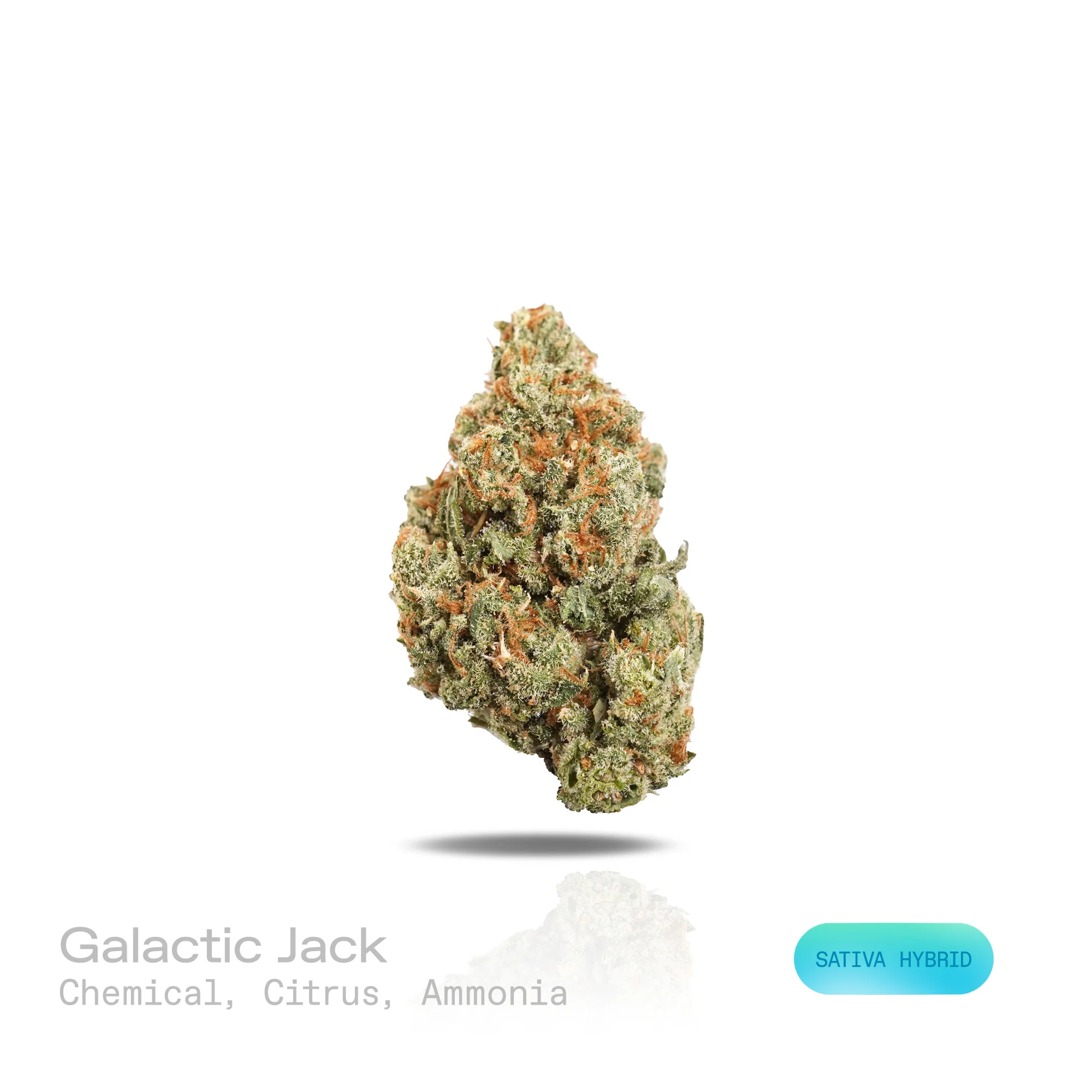
| Galactic Jack THCa FlowerPuffy | Sativa-dominant hybrid from Jack Herer and Space Queen lineage. A better fit for shoppers comparing daytime-leaning flower with citrus-forward strain context. | Yes | $99.95 | Check price at Puffy (opens in new tab) | |
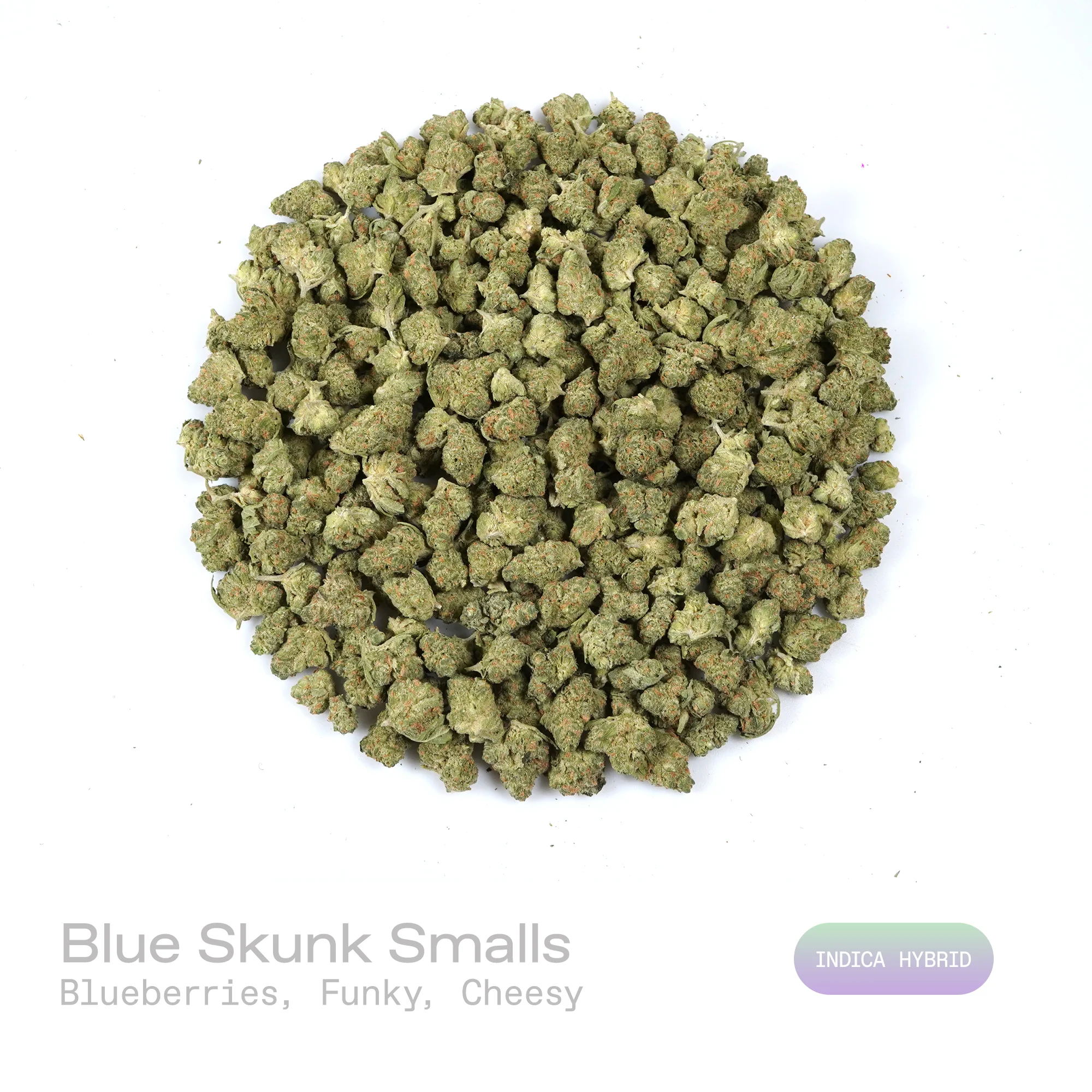
| Blue Skunk THCa FlowerPuffy | Indica-dominant hybrid from Blueberry and Skunk. Useful for shoppers comparing sweeter, earthier THCA flower with a calmer evening-leaning profile. | Yes | $54.95 | Check price at Puffy (opens in new tab) | |
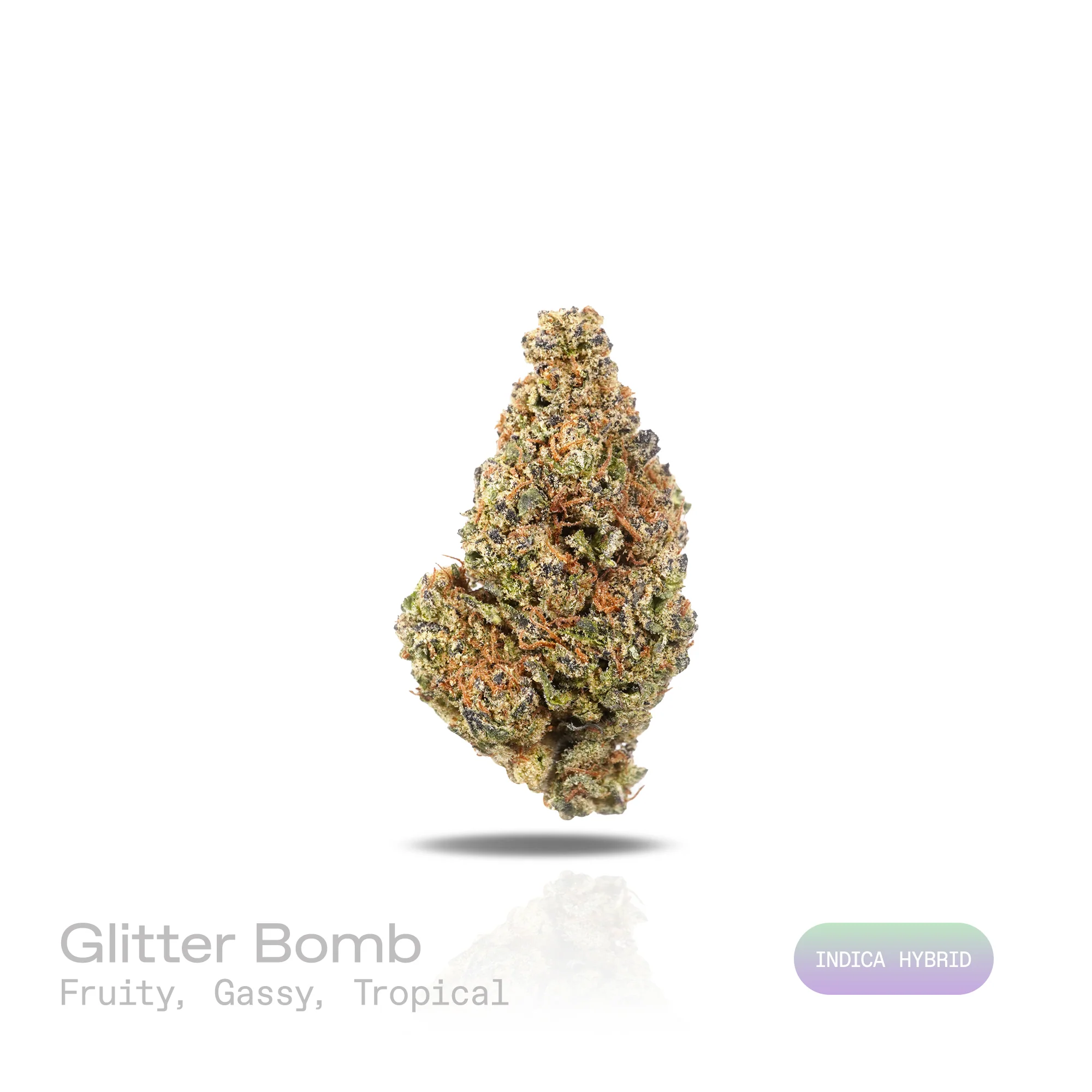
| Glitter Bomb THCa FlowerPuffy | Indica-dominant hybrid from Grape Gas #10 and OGKB Blueberry Headband. Cerebral uplift that settles into full-body calm — giggly, focused, and relaxed. Fruity and gassy aroma with dense, trichome-heavy buds. | Yes | $29.95 | Check price at Puffy (opens in new tab) |
Related topic
Explore the THCA Guides hub
THCA is the raw precursor to delta-9 THC found in hemp flower. These guides cover flower types, diamond concentrates, how conversion works, legality by state, and how THCA compares to other cannabinoids.
Open THCA GuidesProduct shortcut
Want products instead?
If you already know what format you want, jump straight into the matching product category.
Browse THCA FlowerBest overall
Governmint Oasis (Puffy) — indoor hybrid with balanced effects, garlic-mint terpene profile, and one of the most consistent picks in the catalog.
Best for potency
Alien Head (Yumz Labs) — 30.67% THCa lab-verified, AAA Exotics tier, $49.99 for 3.5g.
Best value per gram
Blue Skunk (Puffy) — 28 grams for $54.95, roughly $1.96 per gram for indoor-grown indica-hybrid with a blueberry-skunk terpene profile.
How they compare
Indoor vs outdoor grown
Indoor is worth the price premium if terpene complexity and consistent potency matter. Outdoor is a reasonable budget choice for high-volume buyers who prioritize value per gram over peak quality.
High-potency (28%+ THCA) vs moderate (22–26%)
Start at the moderate tier if you are new to THCA flower or returning after a break. Products like Alien Head at 30%+ are for consumers who already know their tolerance.
Indica vs sativa THCA flower
Hybrid strains sit between both. Effects are driven by terpene profiles as much as the indica/sativa label — look at the terpene panel on the COA for a more accurate read.
How we picked the best THCA flower
We evaluated THCA flower across five criteria: published COA potency, cultivation method, terpene profile quality, price per gram, and consistent real-world availability. Every product on this list ships from a brand with publicly posted lab results and active inventory — no discontinued strains or single-batch novelties that are out of stock by the time you click.
We also weighted brand consistency. A 30% THCa number only matters if the next batch delivers something close to it. The brands here — Puffy and Yumz Labs — both maintain enough inventory depth and testing transparency to recommend without the asterisks that follow smaller or less reliable operations.
Best Overall: Governmint Oasis by Puffy
Governmint Oasis is a balanced indoor hybrid from GMO (Garlic Mushroom Onion) and Gush Mints genetics. Effects are calming and full-body — not couch-lock, but clearly indica-leaning once it settles in. The terpene profile leans garlic and sweet with a minty finish that makes it one of the more distinctive smokes in the category.
At $59.95 for 7 grams, it sits in the premium-but-reasonable tier. Buds are dense and frosty with the kind of trichome coverage you expect from indoor cultivation. If you are buying one THCA flower to understand what a well-made product in this category looks like, Governmint Oasis is the reference point.
Puffy backs this with a published COA. Delta-9 THC is below 0.3% by dry weight. Effects are strong enough for experienced consumers but approachable enough that it is not reserved for veterans only.
Best Sativa: Galactic Jack by Puffy
Galactic Jack is a sativa-dominant hybrid from Jack Herer and Space Queen lineage. Effects are energetic, focused, and euphoric — the kind of flower that works well for creative sessions, social situations, or daytime use where you want mental lift without heavy sedation. The aroma is citrus-forward with a sharp chemical note that reads unmistakably like premium Jack genetics.
The price stands out: $99.95 for a full 28 grams (one ounce) works out to roughly $3.57 per gram for indoor-grown, lab-tested THCA flower. The ounce format is the right buy if you already know you prefer sativas and will use it consistently. It is not the entry point if you are still figuring out which effects work for you — grab a smaller trial size first.
Trichome coverage is thick, and the buds hold well over time. Galactic Jack is consistently one of the more discussed Puffy strains: the genetics are classic, the execution is clean, and the value at ounce pricing is hard to match in this category.
Best Value: Blue Skunk by Puffy
Blue Skunk is an indica-dominant hybrid from Blueberry and Skunk genetics. At $54.95 for 28 grams, it comes out to approximately $1.96 per gram — the most cost-effective indoor THCA flower in our comparison by a significant margin. Effects are relaxing and euphoric with a mood-lifting body ease that works well for evening use.
The terpene profile is sweet blueberry with earthy, funky skunk undertones. It is not a subtle aroma, so factor that in if you value discretion. But the smell reflects what is inside — this is not plain hemp flower dressed up with a name. The terpene richness you detect is real and shows up in the experience.
Blue Skunk works as a daily driver for indica-leaning consumers who want quality without a premium price. The ounce format requires commitment, but at under $2 per gram for lab-tested indoor flower, it offers more than most THCA brands can approach at any price point.
Highest Potency: Alien Head by Yumz Labs
Alien Head is Yumz Labs' AAA Exotics tier — their premium classification for flower that tests at the upper end of what the hemp market produces. At 30.67% THCa, it is the highest lab-verified number in this comparison. The $49.99 price for 3.5 grams puts it in the premium-exotic range, consistent with top-shelf flower pricing in both hemp and dispensary markets.
This is not a beginner pick. At 30%+ THCa, effects onset quickly and intensity is high. If you have established tolerance and want the closest equivalent to dispensary-grade flower available online, Alien Head makes the case. The dense, frosty appearance aligns with what the lab data suggests about trichome density.
Yumz Labs posts COA data for their products. If you are buying flower at this price point specifically because of the potency claim, verify the batch-specific lab result before purchasing — that is true for any high-potency product, not just this one.
Best Exotic: Xhale Snowcaps by Yumz Labs
Xhale Snowcaps is a snow-capped indica — premium indoor flower coated in concentrated THCA to boost potency and surface density. The result is a deeply relaxing experience with smooth smoke and a visually striking appearance: thick frost coverage across the entire bud. At $49.99 for 3.5 grams, it sits in the same price tier as Alien Head but represents a different product format.
Snow-capped flower is worth understanding before buying. The base here is premium indoor flower, not trim-and-coat production, and the THCA concentrate used for coating is tested. But if you are comparing percentages directly against single-source flower, coated products read higher because they combine two THCA sources — not because a single cultivar hit a new ceiling.
If you want a high-impact indica with a distinctive appearance and powerful effects, Xhale Snowcaps delivers. Go in with expectations calibrated to what it is: a coated exotic, not a single-strain benchmark. The experience is genuinely strong and the relaxation runs deep.
How to read a THCA flower COA before you buy
A Certificate of Analysis (COA) is the only objective data point that matters when purchasing THCA flower. Reputable brands publish these publicly, typically linked from each product page. What to look for: delta-9 THC at or below 0.3% by dry weight (the Farm Bill compliance threshold), total THCa percentage (the potency claim), and when available, a terpene panel showing the dominant terpenes and their percentages.
Check the lab name. Results from licensed, ISO-accredited third-party labs — ACS Laboratory, Kaycha Labs, Infinite Chemical Analysis Labs, and similar — carry more credibility than in-house testing. Check the test date too. A COA from two years ago on a current product page is a red flag. COAs should be batch-specific and current.
One detail many buyers miss: the difference between THCa percentage and total potential THC. Some COAs include a "total potential THC" figure that calculates the delta-9 equivalent after decarboxylation. This number is higher than the compliance-relevant delta-9 reading and reflects what the flower actually delivers when smoked or vaped. A product showing 0.15% delta-9 THC but 26% THCa will produce significantly more than 0.15% THC when consumed — that is expected and is the whole point.
Buyer checklist
- Request or locate the current COA for the specific batch — not a generic lab result for the strain name.
- Confirm delta-9 THC on the COA is at or below 0.3% by dry weight before ordering.
- Verify the brand ships to your state. Several retailers restrict orders to states with stricter hemp regulations.
- Read total cannabinoids and the terpene panel when available — not just the THCa headline number.
- Know that THCA flower will trigger a positive drug test. It is not drug-test safe despite the hemp label.
Shop Puffy THCA Flower
Governmint Oasis, Galactic Jack, Blue Skunk, Blue Dream, and Glitter Bomb — all lab-tested indoor THCA flower with published COAs and multiple size options.
Elevated Guide may earn a commission on qualifying Puffy purchases. For adult use only where legal.
Shop Yumz Labs THCA Flower
Alien Head and Xhale Snowcaps — AAA Exotics-tier and snow-capped THCA flower for experienced consumers who want premium potency.
Elevated Guide may earn a commission on qualifying Yumz Labs purchases. For adult use only where legal.
Sources and update notes
How this guide is maintained
Last reviewed: July 24, 2026
- This guide is reviewed periodically for product availability, cannabinoid terminology, claim restraint, and legal-awareness framing.
- Product prices, formulations, COAs, ingredients, and retailer policies can change after publication. Verify current details with the retailer before purchasing.
- For THCA, Delta-8, Delta-9, and other hemp-derived THC products, state law and total THC rules may affect whether a product is available or appropriate to buy.
Frequently asked questions
What THCA percentage is considered good quality?
Anything between 20–26% THCa is solid quality for THCA hemp flower. Strains testing above 28% are at the premium end of what indoor cultivation typically delivers without concentrate coating. Claims above 32% in single-source flower should be verified with the batch-specific COA before purchase.
What is the strongest THCA flower available?
In this comparison, Alien Head by Yumz Labs tests at 30.67% THCa — one of the highest lab-verified numbers in the hemp market. Snow-capped products like Xhale Snowcaps can test even higher because they combine premium flower with a THCA concentrate coating, but these represent a different format category than single-source indoor bud.
Does THCA flower get you high?
Yes — when smoked or vaped. Heat converts THCA to delta-9 THC through decarboxylation, and the effects are equivalent to smoking traditional high-THC cannabis. Raw unheated THCA — eaten or juiced — does not produce psychoactive effects, but that is not how flower is typically consumed.
Is THCA flower legal to buy and ship?
Most THCA flower retailers cite Farm Bill compliance because the product tests below 0.3% delta-9 THC by dry weight before heating. Whether your state allows hemp-derived THCA is a separate question. Several states have passed laws specifically restricting high-THCa hemp regardless of the delta-9 reading. Check your state's current hemp regulations before ordering.
What is the difference between indoor and outdoor THCA flower?
Indoor cultivation gives growers control over lighting, humidity, temperature, and pest management. The result is typically denser buds, higher trichome density, more consistent potency, and better terpene retention. Outdoor flower costs less to produce and can be excellent, but it is more variable by season and environment. All products in this comparison are indoor-grown.
How should I store THCA flower to keep it fresh?
Store in an airtight glass container, away from light, heat, and humidity. UV light degrades cannabinoids and terpenes fastest — dark glass or opaque containers are ideal. Relative humidity between 55–65% prevents the flower from drying out or developing mold. Avoid freezing unless storing for months or longer — cold temperatures can make trichomes brittle and cause them to break off during handling.