Thca guide
How to Use THCA
The fundamental thing to understand about THCA is that raw consumption does nothing psychoactive — you need heat. Once you apply it, you are consuming delta-9 THC. Here is how each method works.
Quick answer
Raw, unheated THCA does not produce psychoactive effects. Decarboxylation — the conversion of THCA to delta-9 THC through heat — happens when you smoke, vape, or cook THCA.
Smoking THCA flower in a bowl or joint is the most straightforward method. Vaping provides a cleaner inhalation profile. Dabbing concentrates is a high-potency method appropriate only for experienced users.
There is no universal right dose. For new users, start with the smallest possible amount and wait to assess effects before taking more. State laws vary — confirm THCA is legal in your state before purchasing.
Key takeaways
- The raw vs. heated distinction is the most important concept in THCA consumption. Everything else follows from it.
- Onset through smoking or vaping is fast — typically 5 to 15 minutes. Effects from inhaled THCA are comparable to other smoked or vaped delta-9 THC sources.
- Concentrates like THCA diamonds are extremely high-potency and are not appropriate for anyone new to cannabis or hemp-derived products.
Products worth comparing
Products to consider
These products match the topic covered above. Always verify current pricing and availability before purchasing.
| Product image | Product | Best For | Lab Tested | Price | Shop |
|---|---|---|---|---|---|
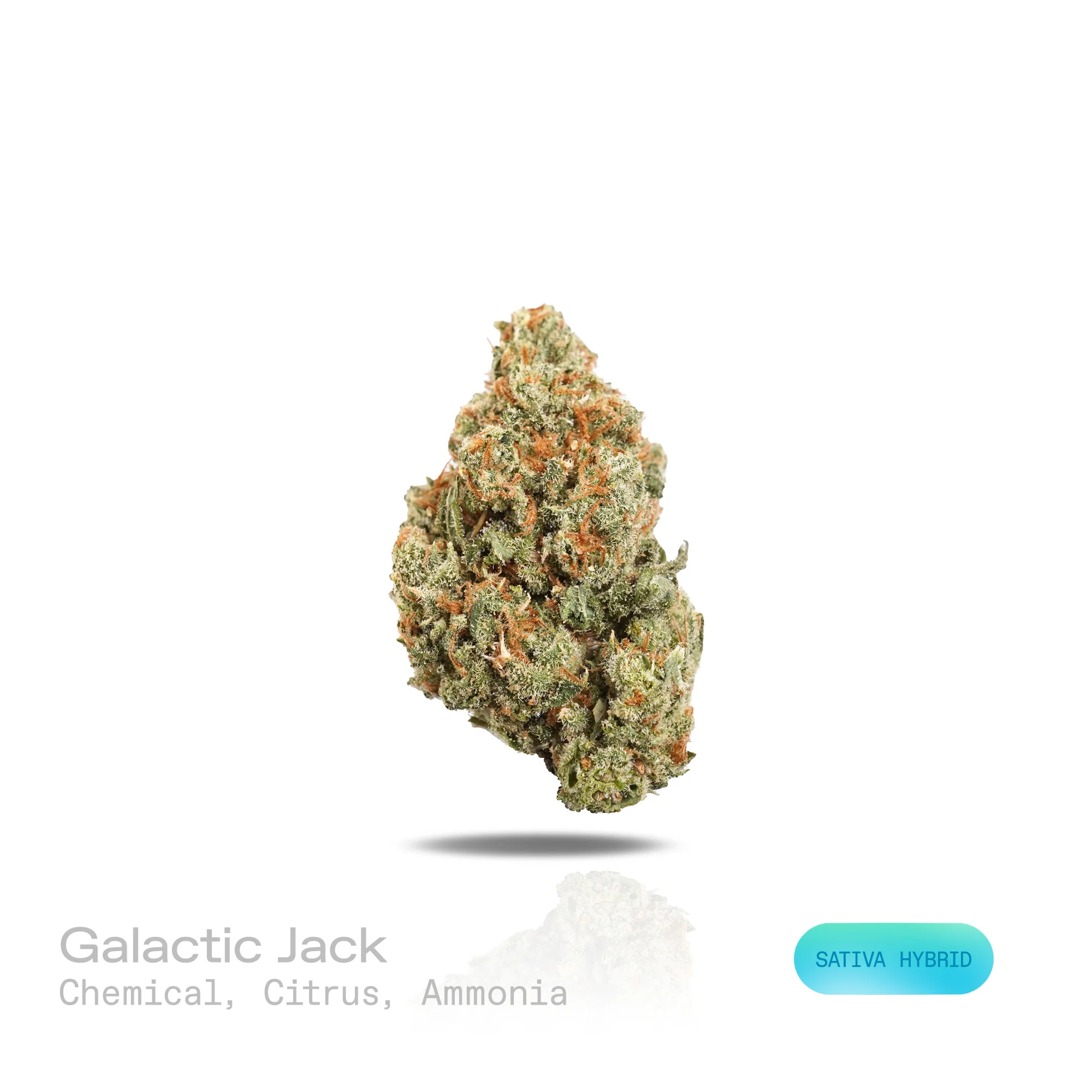
| Galactic Jack THCa FlowerPuffy | Sativa-dominant hybrid from Jack Herer and Space Queen lineage. A better fit for shoppers comparing daytime-leaning flower with citrus-forward strain context. | Yes | $99.95 | Check price at Puffy (opens in new tab) |
Related topic
Explore the THCA Guides hub
THCA is the raw precursor to delta-9 THC found in hemp flower. These guides cover flower types, diamond concentrates, how conversion works, legality by state, and how THCA compares to other cannabinoids.
Open THCA GuidesProduct shortcut
Want products instead?
If you already know what format you want, jump straight into the matching product category.
Browse THCA FlowerBest for
Beginners who want to understand how THCA works before choosing a consumption method.
Most important concept
Raw THCA = non-psychoactive. Heated THCA = delta-9 THC. The distinction is chemical, not marketing.
Start here
If you are new, smoking or vaping a small amount of THCA flower is the most straightforward entry point. Concentrates are not a beginner format.
Raw versus heated THCA: the fundamental distinction
THCA is tetrahydrocannabinolic acid — the raw, acidic form of THC found in the living hemp plant. In this state, it does not bind effectively to the brain receptors responsible for psychoactive effects. Eating raw THCA flower or consuming unheated THCA in any form will not produce a high. This is not a marketing claim; it is chemistry.
The conversion happens through decarboxylation. When you apply heat — by smoking, vaping, or baking — a carboxyl group breaks off the THCA molecule, producing delta-9 THC. The result is the same active compound found in traditional high-THC cannabis products. The experience after smoking or vaping THCA flower is equivalent to consuming delta-9 THC directly.
This distinction matters practically because it explains the product's legal pathway (the raw plant tests below the Farm Bill threshold) and why eating raw THCA flower is fundamentally different from smoking it. If your intended method involves heat, you are consuming delta-9 THC. Plan and dose accordingly.
Smoking THCA flower: bowls and joints
Smoking THCA flower in a glass pipe or joint is the most common consumption method and the most beginner-accessible. A pipe requires only the device and lighter; rolling a joint adds a skill component but is achievable with practice or pre-rolled cones. Either method delivers effects within 5 to 15 minutes for most users.
For a pipe, grind the flower to a consistent medium texture — too fine and it will pull through the bowl; too coarse and it will burn unevenly. Pack the bowl loosely at the bottom and slightly more densely at the top to help airflow. Take a slow, steady draw rather than a sharp pull. Start with a small amount and give yourself time to assess before loading more.
The onset from smoked THCA is fast but the full effect can take 10 to 15 minutes to develop. The common mistake is hitting again before the first hit has fully registered. Wait. If after 15 minutes the effect is less than you wanted, you can take more — but you cannot take less once you have already consumed it. Our THC Dosage Calculator can help you think through a conservative starting range.
Vaping THCA products
Vaping THCA flower in a dry herb vaporizer or using THCA vape cartridges are both legitimate methods with a cleaner inhalation profile than combustion. Dry herb vaporizers heat flower to temperatures that release cannabinoids and terpenes without burning the plant material, which many users find produces less harsh vapor. THCA vape cartridges typically contain extracted THCA oil or a blend of cannabinoids.
For vape cartridges specifically, COA requirements are higher than for flower. You want a cannabinoid panel plus residual solvent screening — cutting agents and low-quality distillates are a real concern in the vape market. Ceramic coils are preferred over metal-wick coils for flavor quality and avoiding potential metal exposure.
Onset from vaping is similar to smoking: 5 to 15 minutes. The same start-low approach applies. With a vape, the temptation to take multiple quick draws is higher than with a pipe or joint — the hardware makes it easy to overconsume quickly. Take a single small draw, wait 10 to 15 minutes, and assess before continuing.
Concentrates: for experienced users only
THCA concentrates — diamonds, wax, shatter — are high-purity extracts that can reach 90%+ THCA content. When dabbed, the resulting delta-9 THC concentration is significantly higher than anything achievable with flower. These are not appropriate for beginners or for anyone who has not built meaningful tolerance through lower-potency products first.
Dabbing requires a dab rig, a heated banger or nail, and a tool to apply the concentrate. The process delivers a much larger dose in a single inhalation than a bowl or joint, and the onset is immediate. Overconsumption is easy and the experience can be overwhelming for unprepared users.
If you are curious about concentrates, build experience with flower over several months before considering them. The potency difference is not incremental — it is a different category of experience that requires respect and preparation. There is no shortcut here that bypasses the need for established tolerance and familiarity with your own response to delta-9 THC.
Buyer checklist
- Confirm THCA products are legal in your state before purchasing.
- For flower, verify the COA shows delta-9 THC below 0.3% dry weight from an independent accredited lab.
- Choose your method based on experience level: flower for beginners, concentrates only for experienced users.
- Start with the smallest possible amount and wait at least 15 minutes before assessing whether to take more.
- Have water and a comfortable, safe environment before your first session.
Browse THCA hemp flower
If you shop Amazon for hemp flower, look for current COAs and clear THCA percentage information you can verify yourself.
Elevated Guide may earn a commission on qualifying Amazon purchases. Always verify COAs, local laws, and shipping restrictions before purchasing. For adult use only where legal.
Sources and update notes
How this guide is maintained
Last reviewed: July 24, 2026
- This guide is reviewed periodically for product availability, cannabinoid terminology, claim restraint, and legal-awareness framing.
- Product prices, formulations, COAs, ingredients, and retailer policies can change after publication. Verify current details with the retailer before purchasing.
- For THCA, Delta-8, Delta-9, and other hemp-derived THC products, state law and total THC rules may affect whether a product is available or appropriate to buy.
Frequently asked questions
Does eating raw THCA flower get you high?
No. Raw, unheated THCA does not convert to psychoactive delta-9 THC without heat. Eating raw THCA flower will not produce psychoactive effects. Only consumption methods that involve heat — smoking, vaping, or cooking — trigger the decarboxylation process that converts THCA to active delta-9 THC.
What is decarboxylation?
Decarboxylation is the chemical process by which heat removes a carboxyl group from the THCA molecule, converting it to delta-9 THC. It happens automatically when you smoke or vape THCA flower — you do not need to do anything special. It also happens when you bake or cook with cannabis. The term comes up frequently in THCA discussion because it explains why raw THCA is non-psychoactive while smoked or vaped THCA produces effects identical to delta-9 THC.
Is vaping THCA better than smoking it?
Vaping produces vapor rather than combustion byproducts, which many users find produces less harshness and may involve fewer combustion-related compounds. Whether it is "better" depends on what you are optimizing for. For flavor and a potentially cleaner inhalation, vaping has an edge. For accessibility and simplicity, a glass pipe requires less equipment. Both methods deliver delta-9 THC after decarboxylation with similar onset timing.
What dose of THCA should I start with?
There is no universal right dose — it depends on tolerance, body weight, metabolism, and consumption method. For smoked or vaped THCA flower, a single small draw is the responsible starting point for a new user. Wait 10 to 15 minutes to assess the effect before taking more. The THCA conversion formula (THCA % × 0.877) gives you an estimate of delta-9 THC content, which can help contextualize potency. Our THC Dosage Calculator can help you plan a conservative starting range.