
Thca guide
THCA vs Delta-9
THCA and delta-9 THC are chemically related but legally and practically different. Whether the distinction matters for you depends mostly on how you want to consume.
Quick answer
THCA is delta-9 THC in its raw, acidic form. It produces no psychoactive effects until heated — but smoking or vaping THCA flower converts it to delta-9 THC, the same active compound.
Hemp-derived delta-9 products (gummies, tinctures) contain extracted delta-9 THC formulated to comply with the Farm Bill's 0.3% dry-weight limit. THCA flower takes a different compliance path based on how the raw plant tests.
For most buyers, the choice comes down to format: THCA is primarily for flower and concentrate consumers; delta-9 hemp products dominate the edible and tincture market.
Key takeaways
- Once heated and consumed, THCA flower delivers delta-9 THC — the effects are not meaningfully different from other delta-9 sources.
- Hemp-derived delta-9 edibles are on generally firmer legal footing in most states. THCA flower operates under a more contested legal argument.
- Format and onset time should drive most purchase decisions: flower for fast onset and shorter sessions; edibles and tinctures for longer, more gradual effects.
Products worth comparing
Products to consider
These products match the topic covered above. Always verify current pricing and availability before purchasing.
| Product image | Product | Best For | Lab Tested | Price | Shop |
|---|---|---|---|---|---|
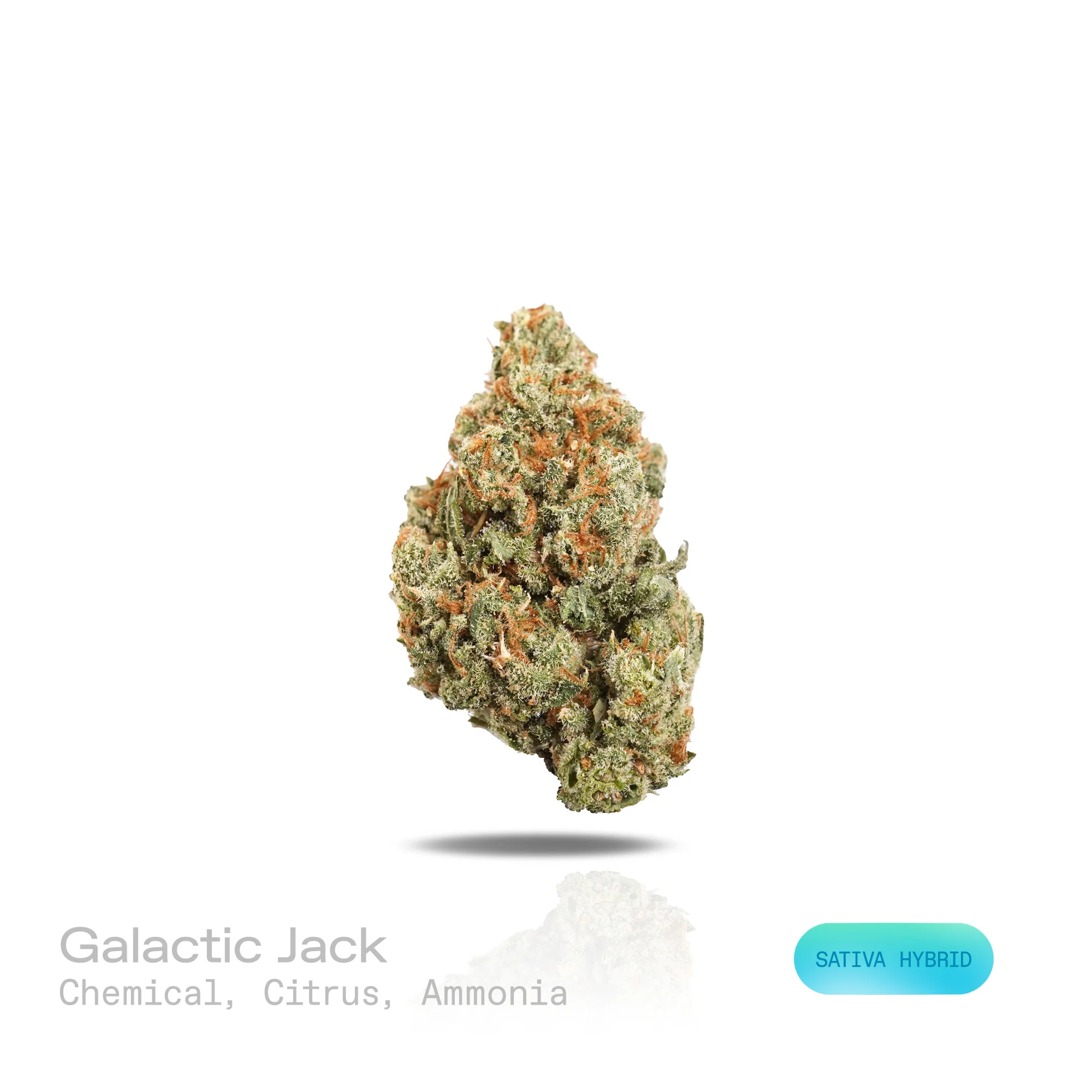
| Galactic Jack THCa FlowerPuffy | Sativa-dominant hybrid from Jack Herer and Space Queen lineage. A better fit for shoppers comparing daytime-leaning flower with citrus-forward strain context. | Yes | $99.95 | Check price at Puffy (opens in new tab) | |
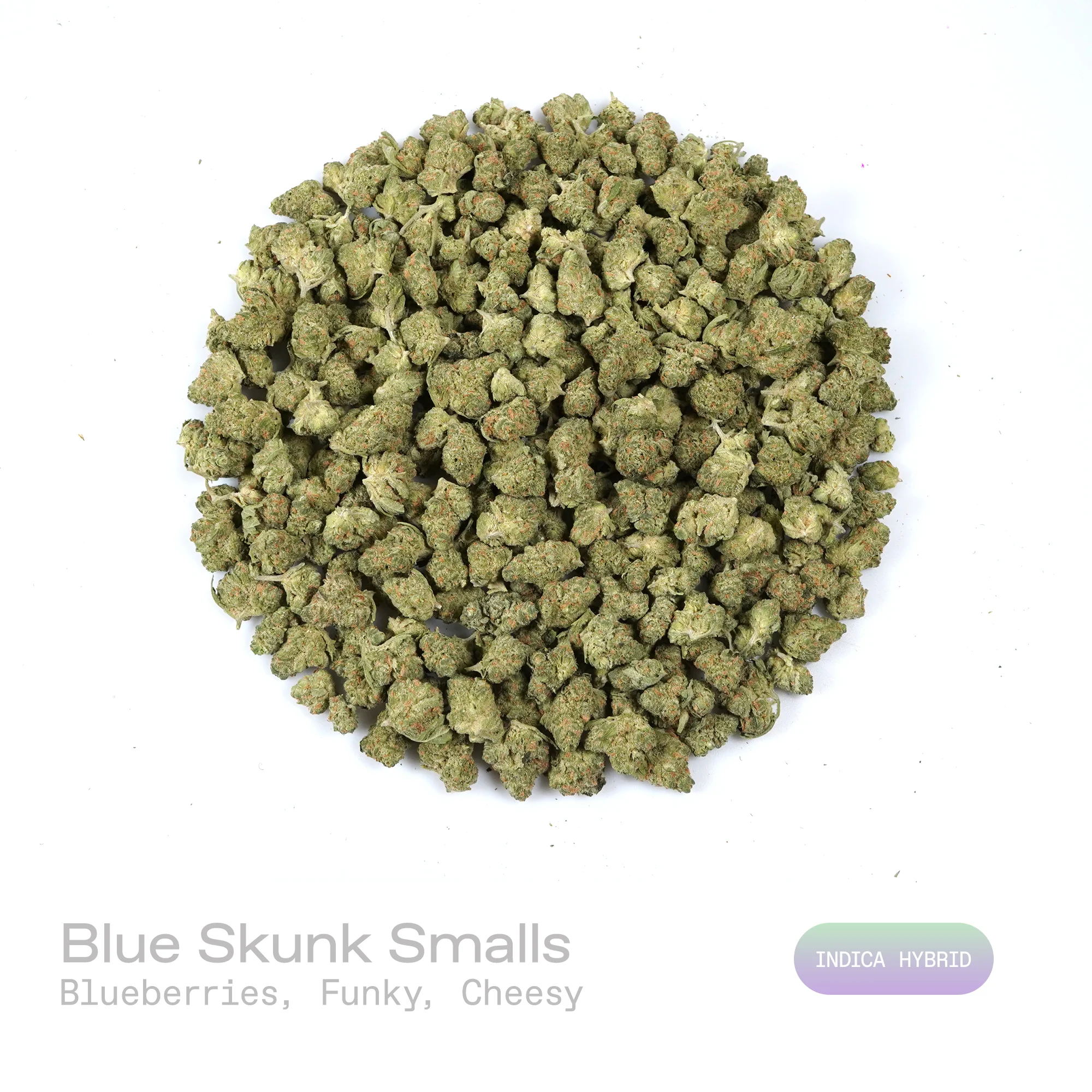
| Blue Skunk THCa FlowerPuffy | Indica-dominant hybrid from Blueberry and Skunk. Useful for shoppers comparing sweeter, earthier THCA flower with a calmer evening-leaning profile. | Yes | $54.95 | Check price at Puffy (opens in new tab) |
Related topic
Explore the THCA Guides hub
THCA is the raw precursor to delta-9 THC found in hemp flower. These guides cover flower types, diamond concentrates, how conversion works, legality by state, and how THCA compares to other cannabinoids.
Open THCA GuidesProduct shortcut
Want products instead?
If you already know what format you want, jump straight into the matching product category.
Browse THCA FlowerBest for
Buyers deciding between THCA flower and hemp-derived delta-9 edibles or tinctures who want to understand how they actually differ.
Key insight
The psychoactive compound is the same once THCA is heated. The differences are in legal pathway, product format, and how quickly effects begin and end.
Common misconception
THCA is not a milder cannabinoid than delta-9. In raw form it is non-psychoactive, but the experience after smoking or vaping is not weaker — it becomes the same active compound.
How they compare
Psychoactive effect when consumed
For smoked or vaped consumption, the end result is the same active compound. The difference is in the raw product's legal classification, not the effect profile.
Legal pathway
Hemp-derived delta-9 gummies and tinctures generally face less legal ambiguity. THCA flower operates in a more contested legal space.
Available product formats
If you want to smoke or vape flower, THCA is your route. If you prefer edibles or sublingual products, hemp delta-9 is the dominant format.
Onset and duration
These differences are driven by consumption method, not the cannabinoid label. Onset and duration are primarily about how the product is consumed, not whether the source is THCA or delta-9.
How THCA and delta-9 THC are actually related
THCA (tetrahydrocannabinolic acid) is what exists in the living hemp plant. It is the acidic precursor to delta-9 THC — the same base molecule, but with an extra carboxyl group attached that makes it structurally and functionally different. In this raw form, THCA does not bind to the brain receptors responsible for psychoactive effects.
When heat is applied — through smoking, vaporizing, or baking — that carboxyl group breaks off in a process called decarboxylation. What remains is delta-9 THC in its active form. This is why THCA flower, when smoked, delivers the same experience as traditional high-THC cannabis: it is chemically becoming delta-9 THC as you consume it.
This conversion also happens slowly at room temperature over time, which is why aged cannabis tends to have lower THCA and higher delta-9 ratios. For practical purposes, if you are smoking or vaping THCA flower, you are consuming delta-9 THC. The THCA label reflects the raw plant chemistry, not the end experience.
Where the legal difference actually comes from
The 2018 Farm Bill defines legal hemp as cannabis containing no more than 0.3% delta-9 THC by dry weight. That specific threshold — for delta-9, not total THC — is the legal foundation for both product types, but they use it differently.
Hemp-derived delta-9 products like gummies and tinctures are formulated to stay under 0.3% delta-9 in the final product. A 5-gram gummy can legally contain up to 15mg of delta-9 THC and still qualify as hemp under this math. The delta-9 is present in active form; compliance is achieved through dosing and the weight of the finished product.
THCA flower takes a different approach: the raw, unheated plant tests under 0.3% delta-9 THC because most of the cannabinoid content is still in THCA form. The compliance claim is that the flower, as a raw agricultural product, meets the hemp definition. Whether that holds when the intended use is to heat the product — and thereby produce delta-9 THC — is the source of ongoing legal debate. It is a real distinction worth understanding before buying.
How to choose between THCA and delta-9 products
For most buyers, the choice is not really about chemistry — it is about how you want to consume and what effects you are looking for. If you prefer smoking or vaping flower, THCA is the relevant product category. If you prefer edibles, tinctures, or other non-combustion formats, hemp-derived delta-9 is where the best products are.
Onset and duration differ meaningfully. Smoked or vaped THCA flower produces effects within minutes that taper off within a couple of hours. Delta-9 edibles take longer to kick in — sometimes 30 to 90 minutes — and the effects typically last longer. For new users, the delayed onset of edibles is a common source of overconsumption: people take more because they do not feel anything, then feel too much when both doses hit simultaneously.
Our THCA to THC Conversion Calculator can help you understand the approximate delta-9 THC yield from a given THCA percentage. The THC Dosage Calculator can help you think through a conservative starting range for either product type.
Buyer checklist
- Decide on format first: flower and vapes for faster onset; gummies and tinctures for longer, more gradual effects.
- Check COAs for both delta-9 THC content and the full cannabinoid panel, regardless of product type.
- Confirm your state permits the product type you are considering — THCA flower restrictions vary more by state than hemp delta-9 gummies.
- Start with a low dose on any new product regardless of whether it is labeled THCA or delta-9.
Compare hemp-derived delta-9 options
If you shop major retailers including Amazon, look for hemp gummies and tinctures with clear testing information and dosage details.
Elevated Guide may earn a commission on purchases through affiliate links. Verify COAs, local laws, and shipping restrictions before purchasing.
Sources and update notes
How this guide is maintained
Last reviewed: July 24, 2026
- This guide is reviewed periodically for product availability, cannabinoid terminology, claim restraint, and legal-awareness framing.
- Product prices, formulations, COAs, ingredients, and retailer policies can change after publication. Verify current details with the retailer before purchasing.
- For THCA, Delta-8, Delta-9, and other hemp-derived THC products, state law and total THC rules may affect whether a product is available or appropriate to buy.
Frequently asked questions
If THCA converts to delta-9 THC when smoked, how is it legal?
The compliance argument is based on the raw, unheated plant testing under the 0.3% delta-9 THC threshold in the Farm Bill. Sellers argue the flower qualifies as hemp at the point of sale. The DEA has disputed this interpretation, arguing total THC should count, but no definitive court ruling has settled it. Many states allow THCA products; others have moved to restrict them.
Does THCA get you high?
Raw, unheated THCA does not produce psychoactive effects. However, when you smoke or vaporize THCA flower, heat converts it to delta-9 THC, which does. If you are consuming THCA through combustion or vaporization, the experience is equivalent to consuming delta-9 THC directly.
Which is stronger — THCA flower or delta-9 gummies?
Potency comparisons between flower and edibles are not straightforward because consumption method drives the experience more than the cannabinoid label. Edibles tend to produce longer-lasting, more intense effects even at lower milligram counts because of how the liver processes THC. Smoked or vaped products hit faster but taper off sooner. Dosage matters more than whether the label says THCA or delta-9.
Can I use THCA and delta-9 products interchangeably?
In terms of the active compound produced when consuming THCA flower by smoking or vaping, yes — both deliver delta-9 THC. The differences are in format, onset, duration, and the legal pathway the product uses. If you are switching between product formats (flower to edibles or vice versa), treat it as starting fresh and adjust your dose accordingly.