
Thca guide
Is THCA Legal?
THCA occupies a legal gray zone at the federal level and a patchwork of rules at the state level. Here is what the current law actually says — and what to check before you buy.
Quick answer
THCA is not explicitly listed as a controlled substance, but the DEA argues it should count toward a product's total THC — which would put high-THCA flower over the 0.3% Farm Bill threshold.
The 2018 Farm Bill legalized hemp based on delta-9 THC content in raw, unheated flower. THCA converts to delta-9 when smoked or vaped, which is the source of ongoing legal debate.
At least a dozen states have passed laws that explicitly restrict or ban THCA products. Check your state's current rules before ordering.
Key takeaways
- THCA flower is sold as legal hemp in many states, but the federal legal position is genuinely contested — not settled.
- When you smoke or vaporize THCA flower, it becomes delta-9 THC. The compliance argument applies to the raw plant, not the resulting experience.
- State law varies significantly. Several states have moved to explicitly restrict THCA. Checking your state's current hemp regulations is the most important step before buying.
Products worth comparing
Products to consider
These products match the topic covered above. Always verify current pricing and availability before purchasing.
| Product image | Product | Best For | Lab Tested | Price | Shop |
|---|---|---|---|---|---|
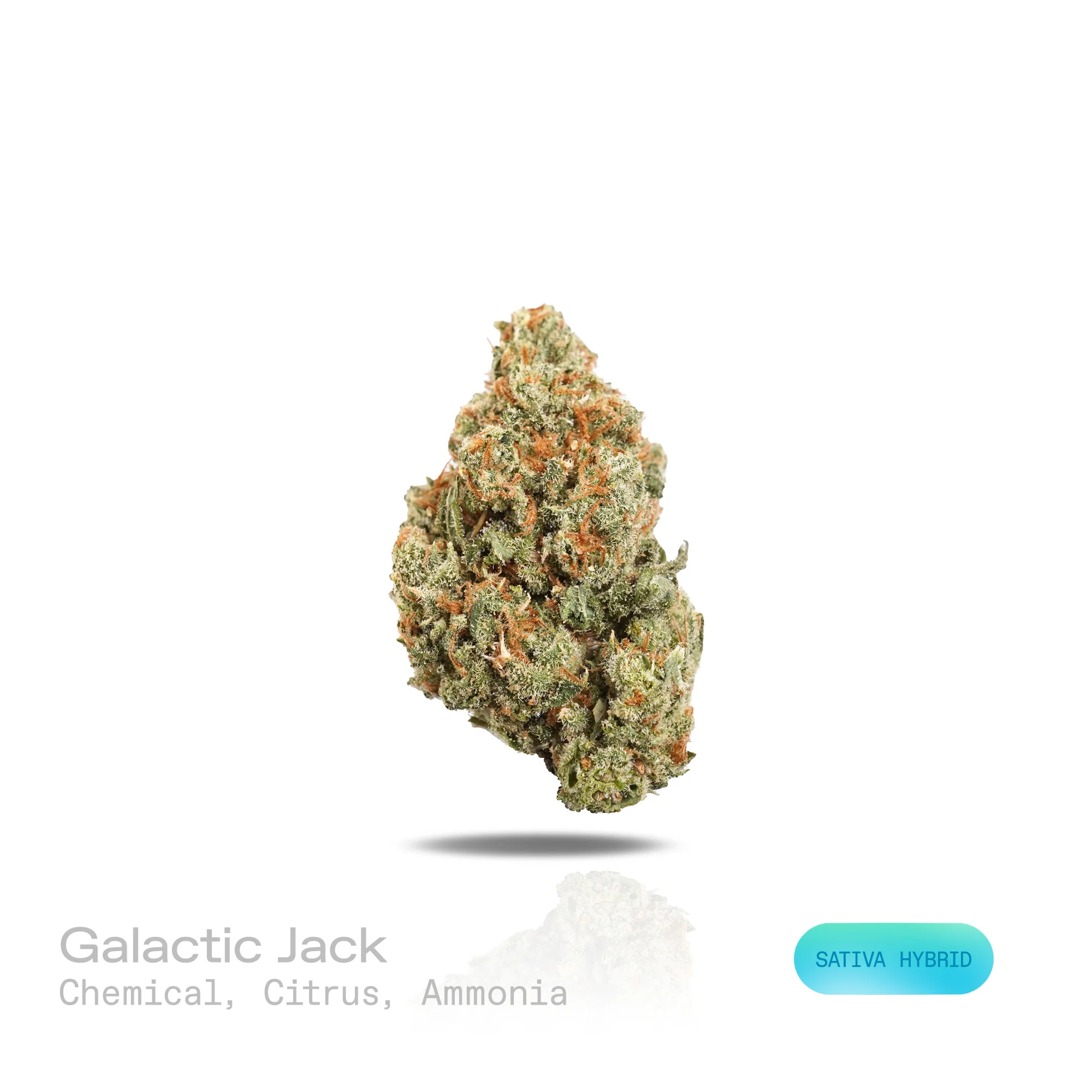
| Galactic Jack THCa FlowerPuffy | Sativa-dominant hybrid from Jack Herer and Space Queen lineage. A better fit for shoppers comparing daytime-leaning flower with citrus-forward strain context. | Yes | $99.95 | Check price at Puffy (opens in new tab) |
Related topic
Explore the THCA Guides hub
THCA is the raw precursor to delta-9 THC found in hemp flower. These guides cover flower types, diamond concentrates, how conversion works, legality by state, and how THCA compares to other cannabinoids.
Open THCA GuidesProduct shortcut
Want products instead?
If you already know what format you want, jump straight into the matching product category.
Browse THCA FlowerBest for
Adults researching THCA legality before making a purchase or accepting a shipment.
Key uncertainty
The DEA's Total THC interpretation versus the Farm Bill's plain-language delta-9 threshold has not been resolved by a federal court.
What a COA actually confirms
A current COA showing under 0.3% delta-9 THC by dry weight is the compliance claim retailers make — it does not mean legal in all 50 states.
What THCA is and why it creates a legal question
THCA (tetrahydrocannabinolic acid) is the raw, non-psychoactive form of THC found in unheated hemp and cannabis plants. In the living plant, THC exists almost entirely as THCA. The conversion to delta-9 THC — the compound responsible for psychoactive effects — happens through decarboxylation, which occurs when you apply heat by smoking, vaping, or cooking.
This chemistry is the center of the legal debate. The 2018 Farm Bill defined legal hemp as "cannabis with no more than 0.3% delta-9 THC on a dry-weight basis." It said nothing about total THC or THCA. That left open the argument that a hemp plant testing at 0.2% delta-9 THC but 22% THCA technically qualifies as legal hemp — even though consuming it produces the same experience as high-THC cannabis.
Most THCA vendors use exactly this argument. The product they are selling tests under the Farm Bill's delta-9 threshold. Whether that argument holds up legally is a different question entirely.
The federal picture: Farm Bill, DEA, and the Total THC debate
The DEA has argued, in correspondence and informal guidance, that THCA should be counted toward a product's total THC when determining whether it qualifies as hemp. Under their "Total THC" approach, a flower testing at 0.2% delta-9 THC but 22% THCA would be far over the 0.3% ceiling and classified as marijuana — a Schedule I controlled substance.
Proponents of the THCA market counter that the Farm Bill's plain language only references delta-9 THC, not total THC, and that THCA is chemically distinct from delta-9. No federal court has issued a definitive ruling to settle this. The USDA's hemp testing regulations use a total THC formula for pre-harvest crop testing, which aligns with the DEA's position — but that applies to farmers, not necessarily to retail products.
The practical federal enforcement picture has been relatively quiet, but the legal ambiguity is real. Sellers operate under the Farm Bill's plain-language interpretation. That does not mean they are risk-free, and this is an area where the law may change.
State law: where the answer most likely affects you
Whatever the federal debate looks like, your state law determines whether you can legally possess, purchase, and receive THCA products. States have taken a wide range of approaches.
Several states have passed laws that explicitly restrict or ban THCA products, applying their own total-THC testing frameworks or specific THCA prohibitions. States like Idaho, Arkansas, and Mississippi treat high-THCA flower as a controlled substance under state law regardless of its federal hemp status. Other states allow hemp products under the Farm Bill without THCA-specific restrictions. A handful have full adult-use cannabis legalization, where THCA products from licensed dispensaries exist alongside hemp products in a regulated environment.
The patchwork changes frequently. The most reliable approach is to search for your state name plus "THCA hemp" or "hemp-derived THC" and the current year, and look for guidance from your state Department of Agriculture or equivalent regulatory body. Our THCA legality by state guide tracks the current status across all 50 states. Reputable retailers also maintain state restriction lists and block shipments accordingly — checking a vendor's shipping policy gives you a fast read on where they think the legal lines are drawn.
What responsible buyers check before purchasing
Regardless of your state's position, there are minimum standards any THCA purchase should meet. A current Certificate of Analysis (COA) from an accredited independent laboratory should confirm delta-9 THC content at or below 0.3% by dry weight, and include pesticide, heavy metal, and residual solvent screening. The lab should be third-party — not affiliated with the brand selling the product.
Be skeptical of products with no lab documentation, outdated COAs, or retailers that resist providing testing information. In an unregulated market, documentation is the closest thing to a safety floor.
If you are in a state with adult-use cannabis legalization, purchasing through a licensed dispensary removes most of this ambiguity. Licensed products are tested under state regulatory requirements with clear labeling rules. The hemp market offers more accessibility, but the licensed market offers more accountability.
Buyer checklist
- Confirm the product has a current COA showing delta-9 THC at or below 0.3% by dry weight from an accredited, independent lab.
- Check your state's hemp program or Department of Agriculture website for any THCA-specific restrictions.
- Review the retailer's shipping restrictions — reputable vendors block shipments to states with known bans.
- Avoid products with no lab documentation or vague compliance language.
Shop lab-tested THCA flower
Puffy carries indoor-grown THCA flower with published COAs. Each strain lists the delta-9 THC reading and ships nationally where permitted.
Elevated Guide may earn a commission on qualifying Puffy purchases. For adult use only where legal. Availability may vary by state.
Sources and update notes
How this guide is maintained
Last reviewed: July 24, 2026
- This guide is reviewed periodically for product availability, cannabinoid terminology, claim restraint, and legal-awareness framing.
- Product prices, formulations, COAs, ingredients, and retailer policies can change after publication. Verify current details with the retailer before purchasing.
- For THCA, Delta-8, Delta-9, and other hemp-derived THC products, state law and total THC rules may affect whether a product is available or appropriate to buy.
Frequently asked questions
Is THCA the same as THC?
THCA and delta-9 THC are chemically related but distinct. THCA is the raw, non-psychoactive form found in unheated hemp. When you apply heat — by smoking, vaping, or cooking — THCA converts to delta-9 THC through decarboxylation. In terms of the experience when consumed by smoking or vaping, the result is the same active compound.
Will THCA show up on a drug test?
Standard drug tests screen for THC metabolites, not specifically THCA. Because THCA converts to delta-9 THC when consumed, using THCA products — especially smoked or vaped flower — can produce the same metabolites that trigger a positive result. Do not assume a THCA product is drug-test safe.
Is it legal to order THCA flower online and have it shipped?
Many retailers ship THCA flower and cite Farm Bill compliance as their legal basis. Whether a shipment is legal to receive depends on your state's hemp laws. Reputable vendors publish state restriction lists. USPS has policies against shipping cannabis products even when sellers characterize them as hemp — carrier policies and legal risk vary. Check your state law and the retailer's shipping policy before ordering.
What does a COA actually confirm about THCA legality?
A COA showing delta-9 THC below 0.3% by dry weight confirms the product meets the Farm Bill's hemp threshold under the plain-language interpretation. It does not guarantee the product is legal in your state, legally shippable through all carriers, or free from enforcement risk under the DEA's total-THC position. It is the compliance claim the seller is making — not a legal guarantee.