
Thca guide
THCA Effects
Once heated, THCA converts to delta-9 THC — the same active compound found in traditional cannabis. Understanding how effects vary by dose, tolerance, and method helps you plan a safer first experience.
Quick answer
Heated THCA is delta-9 THC. The effects are the same: altered perception, mood shift, relaxation, and at higher doses, meaningful cognitive impairment. A 24% THCA flower yields roughly 21% delta-9 after decarboxylation — that is high-potency territory.
Onset through smoking or vaping is typically 5 to 15 minutes. Duration is roughly 1 to 3 hours for most users, though individual variation is significant.
New users are at higher risk of unwanted effects — particularly anxiety and discomfort — especially at doses above what their tolerance supports. Start low, go slow, and have a safe environment before your first session.
Key takeaways
- THCA is not a milder cannabinoid than delta-9. Once heated, the experience is the same compound at whatever dose the THCA percentage and quantity consumed produces.
- Individual variation in response is significant. Tolerance, body weight, metabolism, food intake, and prior experience all affect where any given dose lands for you specifically.
- Anxiety and discomfort are the most common unwanted effects, particularly for new users or anyone consuming more than their tolerance supports. These effects are temporary but can be distressing.
Products worth comparing
Products to consider
These products match the topic covered above. Always verify current pricing and availability before purchasing.
| Product image | Product | Best For | Lab Tested | Price | Shop |
|---|---|---|---|---|---|
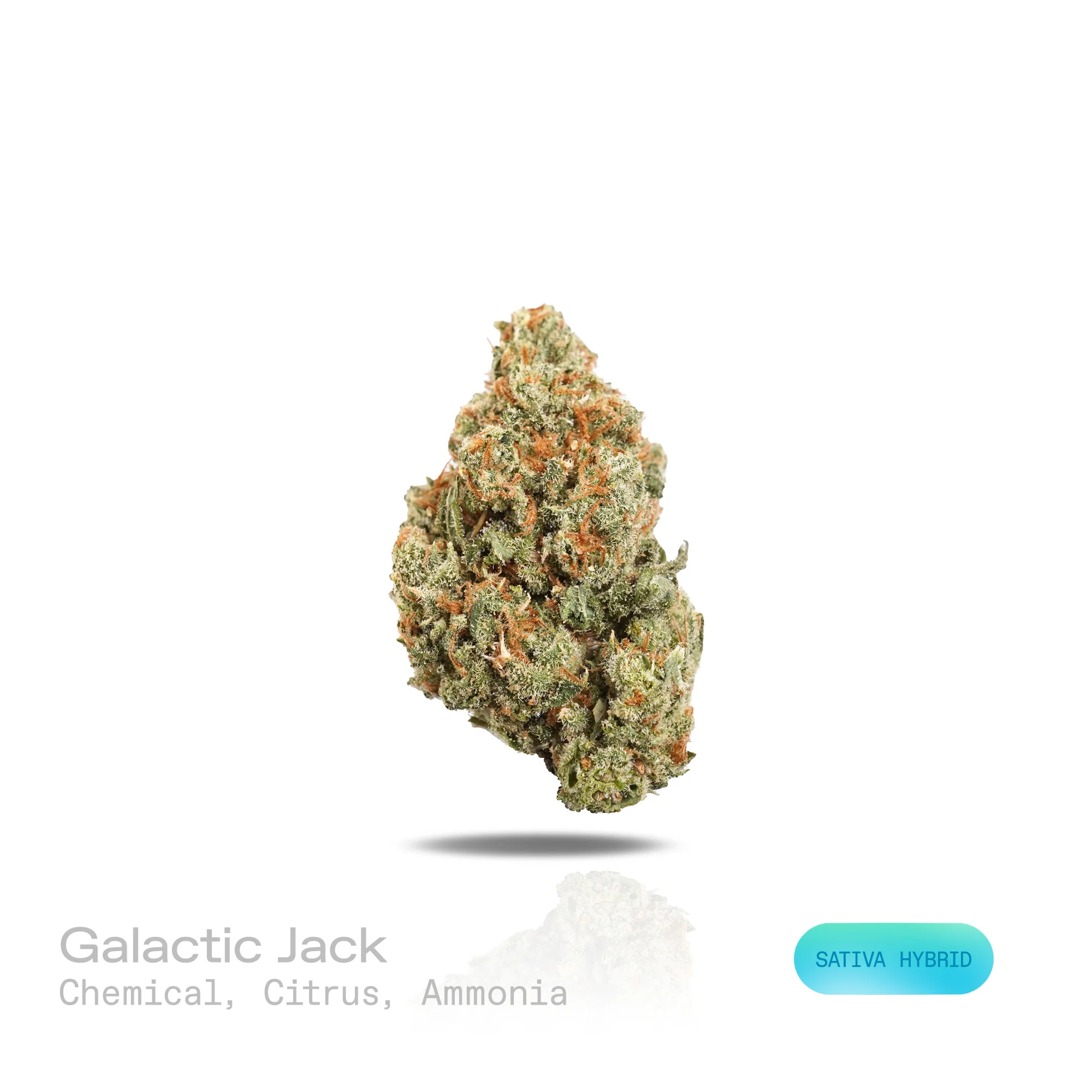
| Galactic Jack THCa FlowerPuffy | Sativa-dominant hybrid from Jack Herer and Space Queen lineage. A better fit for shoppers comparing daytime-leaning flower with citrus-forward strain context. | Yes | $99.95 | Check price at Puffy (opens in new tab) |
Related topic
Explore the THCA Guides hub
THCA is the raw precursor to delta-9 THC found in hemp flower. These guides cover flower types, diamond concentrates, how conversion works, legality by state, and how THCA compares to other cannabinoids.
Open THCA GuidesProduct shortcut
Want products instead?
If you already know what format you want, jump straight into the matching product category.
Browse THCA FlowerBest for
Anyone researching THCA effects before their first experience or trying to understand an experience they have already had.
Critical context
A 20%+ THCA flower is equivalent in potency to high-THC dispensary cannabis once smoked. Treat it accordingly.
Most variable factor
Individual tolerance. Two people consuming the same amount of the same product can have entirely different experiences.
What THCA effects actually are once heated
The effects of heated THCA are the effects of delta-9 THC — because THCA becomes delta-9 THC through decarboxylation when smoked or vaped. There is no separate "THCA experience." If someone describes a THCA effect, they are describing the experience of consuming delta-9 THC at whatever potency the product and dose produced.
Those effects include altered sensory perception, changes in the sense of time, mood shifts that can be positive or negative depending on the individual and situation, relaxation, and at higher doses, meaningful impairment of memory and cognitive function. For many users under controlled conditions and at appropriate doses, these effects are pleasant and intentional. For users who consume more than their tolerance supports, or in stressful environments, the same effects can be uncomfortable.
The potency math matters here. A flower testing at 24% THCA yields approximately 21% delta-9 THC after full decarboxylation — comparable to the highest-potency products in licensed cannabis markets. This is not a mild cannabinoid at full dose. New users who approach THCA flower with the assumption that it is somehow gentler than dispensary THC are likely to be surprised.
Onset, peak, and duration
For smoked or vaped THCA, onset typically begins within 5 to 15 minutes of consumption. The peak usually arrives between 20 and 45 minutes. Total duration for most users is roughly 1 to 3 hours, with effects tapering gradually rather than stopping abruptly. How quickly you feel effects and how long they last depends on how much you consumed, your tolerance, and individual physiology.
Tolerance plays a significant role. Regular consumers of cannabis or hemp-derived THC products develop tolerance that meaningfully raises the dose needed to feel effects and often shortens perceived duration. New users with no tolerance may find that effects last at the longer end of the range or feel more intense at doses that seem modest to experienced users.
Food intake at the time of consumption has a modest effect on inhaled products — less than with edibles, but not zero. Consuming on a completely empty stomach may produce slightly faster onset; consuming after a full meal may modestly extend the time before effects are fully felt.
Why your experience may differ significantly from the average
Individual variation in response to THC is real and significant. Body weight, metabolism, liver enzyme profiles, prior exposure history, current stress level, and even the setting in which you consume all contribute to where any given dose lands for you personally. This is why published dosage ranges are starting points, not precise prescriptions.
The most important variable for new users is prior experience. Someone who has never consumed cannabis-derived products has no established tolerance and should expect that a dose that seems small to an experienced user may feel quite significant. The first session is always the one that requires the most caution because you have no personal baseline to calibrate against.
Anxiety is the most commonly reported unwanted effect and is more likely in new users, in stressful settings, or when dose exceeds what tolerance supports. It is temporary and not medically dangerous in otherwise healthy adults, but it can be distressing in the moment. A calm environment, slow approach to dosing, and having a trusted person present if it is your first experience all reduce the likelihood of this outcome.
Tolerance development and what to do if effects feel like too much
Regular use of THCA or other THC products leads to tolerance development — the dose required to produce the same effect increases over time. This is a well-documented pharmacological phenomenon. Tolerance breaks — periods of abstinence lasting a week or more — significantly reduce tolerance and lower the dose needed for effects.
If you find yourself in a situation where effects feel stronger or more uncomfortable than intended, the most important thing to know is that they are temporary. Move to a comfortable space, drink water, focus on slow breathing, and wait. Having a trusted person with you helps. The discomfort will pass. This is one of the primary reasons the start-low approach is the right one — there is no way to un-consume what you have already taken.
CBD may help moderate an overly intense THC experience for some users. If you have CBD available — a tincture or gummies without THC — taking some may ease anxiety symptoms. This is not a guaranteed fix, but some users find it helpful.
Buyer checklist
- Know your THCA percentage and estimate delta-9 yield using the formula THCA × 0.877.
- Choose a safe, comfortable environment — especially for your first session.
- Start with the smallest possible amount and wait the full onset window before taking more.
- Avoid combining with alcohol or other substances, especially for a first experience.
- Have water available and know that any unwanted effects are temporary.
Browse THCA hemp flower
If you shop Amazon for hemp flower, look for THCA percentage details and current COAs you can review yourself.
Elevated Guide may earn a commission on qualifying Amazon purchases. Always verify COAs, local laws, and shipping restrictions before purchasing. For adult use only where legal.
Sources and update notes
How this guide is maintained
Last reviewed: July 24, 2026
- This guide is reviewed periodically for product availability, cannabinoid terminology, claim restraint, and legal-awareness framing.
- Product prices, formulations, COAs, ingredients, and retailer policies can change after publication. Verify current details with the retailer before purchasing.
- For THCA, Delta-8, Delta-9, and other hemp-derived THC products, state law and total THC rules may affect whether a product is available or appropriate to buy.
Frequently asked questions
Is THCA stronger than delta-9?
THCA in its raw form has no psychoactive effect. Once heated, it converts to delta-9 THC and the potency is a function of the THCA percentage and how much you consumed. A high-THCA flower product is not stronger than delta-9 by nature of being THCA — it becomes delta-9 when you smoke or vape it. The potency comparison is between the resulting delta-9 THC dose and any other delta-9 source, at whatever milligram equivalent is produced.
How long do THCA effects last?
For smoked or vaped THCA flower, most users experience effects for 1 to 3 hours. Onset typically begins within 5 to 15 minutes, peaks around 20 to 45 minutes, and then tapers. Individual variation is significant — tolerance, body weight, metabolism, and the amount consumed all affect duration. First-time users may find effects last toward the longer end of the range.
Can THCA cause anxiety?
Yes. Anxiety is the most commonly reported unwanted effect from THC, including delta-9 THC produced by heating THCA. It is more likely in new users, at doses above what your tolerance supports, or in uncomfortable or unfamiliar settings. The risk is higher with THCA flower than with lower-potency products simply because the delta-9 yield can be substantial. Starting with a very small amount in a comfortable setting significantly reduces this risk.
Does tolerance apply to THCA products?
Yes. Tolerance to the effects of delta-9 THC develops with regular use of any THC source, including THCA products. Regular users find that previously effective doses produce weaker effects over time. Tolerance breaks — typically a week or more of abstinence — significantly reduce tolerance. If you are new to THC products, you have no established tolerance and should treat even small doses of high-THCA flower with appropriate caution.