Thca guide
THCA Flower vs Delta-8
THCA flower converts to full-potency delta-9 THC when smoked. Delta-8 is roughly half to two-thirds the potency of delta-9, with a milder character many users prefer. The choice is really about potency level and format.
Quick answer
THCA flower converts to delta-9 THC when heated — full potency, same as traditional cannabis. Delta-8 THC is approximately 50–70% the potency of delta-9. For users seeking a milder experience, delta-8 is a meaningful step down.
Both products use the Farm Bill's hemp framework as their legal basis, but they use different arguments. Both face state-level restrictions — and the specific states that restrict each one are not always the same.
Format is the clearest differentiator: THCA is primarily available as flower and concentrates; delta-8 dominates the gummies, vapes, and tinctures space. If you want to smoke, THCA is the relevant category. If you prefer edibles, delta-8 or hemp-derived delta-9 are the relevant categories.
Key takeaways
- THCA converts to full-potency delta-9 THC. It is not a milder alternative to delta-8 — it is stronger for most users once heated.
- Delta-8 is a genuinely different experience: lower potency, reported clearer head, and for many users, less anxiety than comparable delta-9 doses.
- Neither product is legal in all 50 states. Check state-specific restrictions for both categories before purchasing.
Products worth comparing
Products to consider
These products match the topic covered above. Always verify current pricing and availability before purchasing.
| Product image | Product | Best For | Lab Tested | Price | Shop |
|---|---|---|---|---|---|
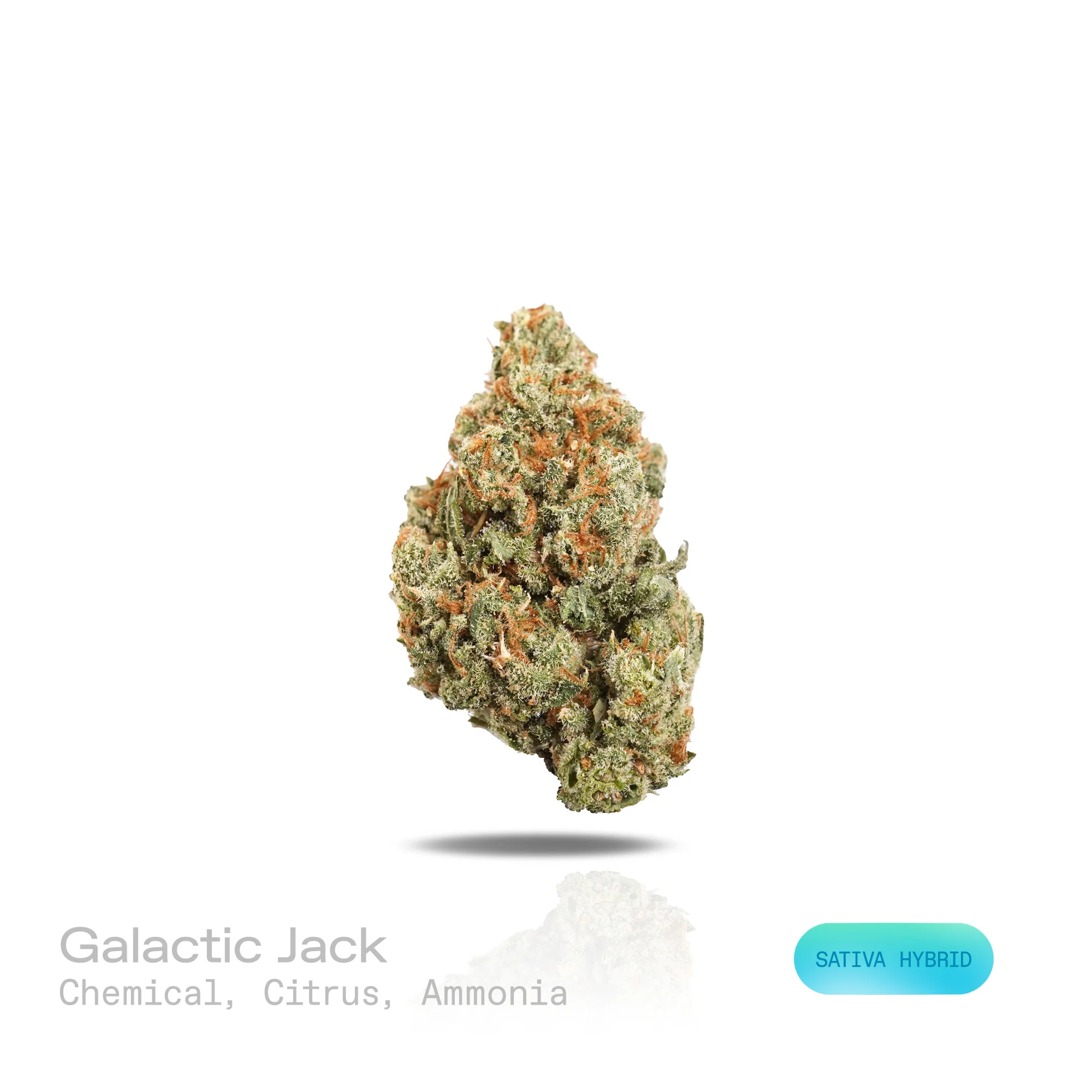
| Galactic Jack THCa FlowerPuffy | Sativa-dominant hybrid from Jack Herer and Space Queen lineage. A better fit for shoppers comparing daytime-leaning flower with citrus-forward strain context. | Yes | $99.95 | Check price at Puffy (opens in new tab) | |
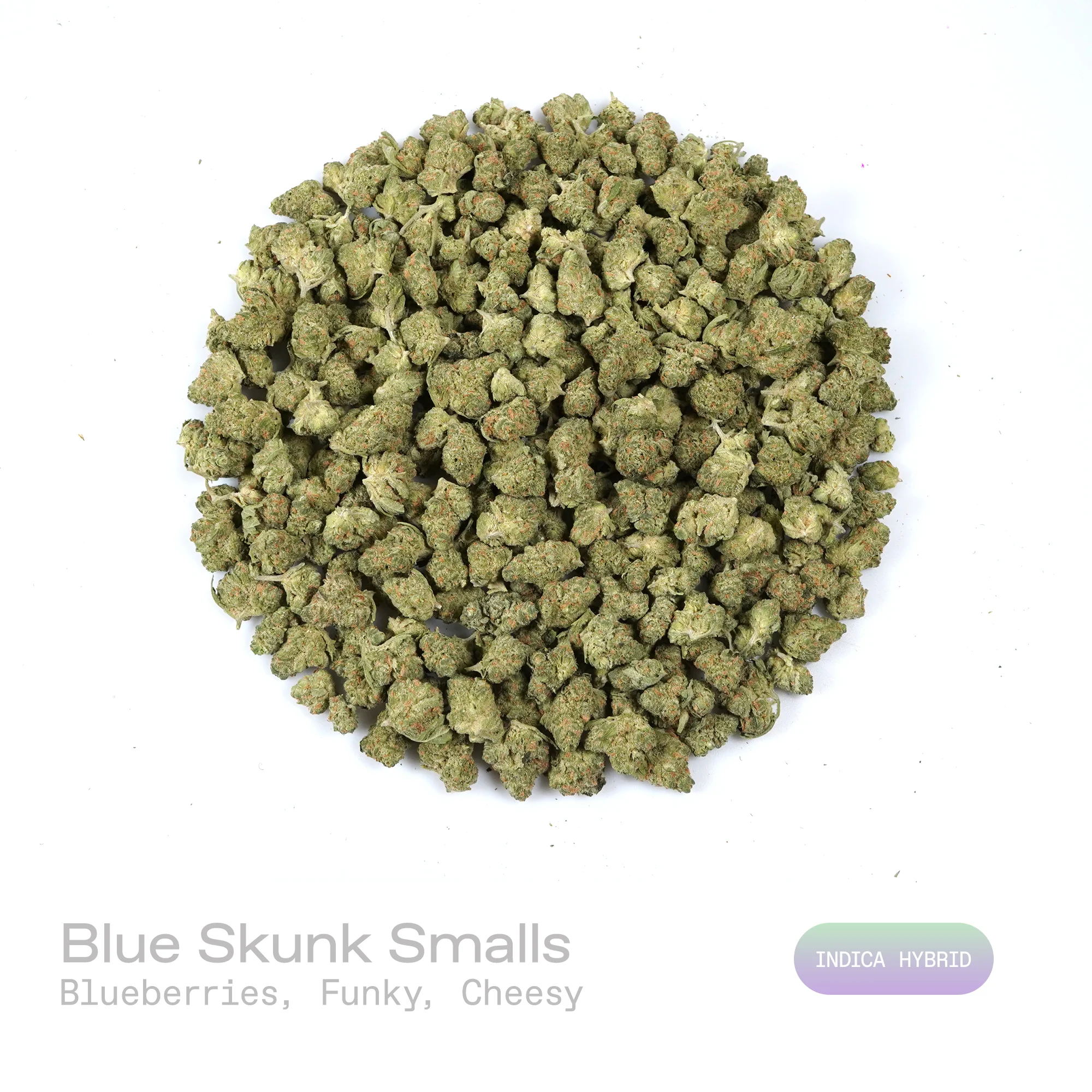
| Blue Skunk THCa FlowerPuffy | Indica-dominant hybrid from Blueberry and Skunk. Useful for shoppers comparing sweeter, earthier THCA flower with a calmer evening-leaning profile. | Yes | $54.95 | Check price at Puffy (opens in new tab) |
Related topic
Explore the THCA Guides hub
THCA is the raw precursor to delta-9 THC found in hemp flower. These guides cover flower types, diamond concentrates, how conversion works, legality by state, and how THCA compares to other cannabinoids.
Open THCA GuidesProduct shortcut
Want products instead?
If you already know what format you want, jump straight into the matching product category.
Browse THCA FlowerBest for
Buyers deciding between THCA flower and delta-8 products who want to understand the real differences before choosing.
Key potency difference
Smoked THCA = delta-9 THC potency. Delta-8 = roughly half to two-thirds that potency. This is the most important number in the comparison.
Format reality
These two categories barely overlap in format. THCA is a flower and concentrate category. Delta-8 is a gummies, vapes, and tinctures category.
How they compare
Potency
THCA flower is the higher-potency option by a substantial margin. Delta-8 is not a mild cannabinoid, but it is meaningfully less intense than THCA flower at comparable doses.
Legal pathway
Both face legal uncertainty. The specific states restricting each one are not identical — check your state for both categories separately before purchasing.
Available formats
These categories barely overlap. If format preference is clear, it often resolves the choice without needing to compare potency directly.
Experience character
Individual variation applies to both. But delta-8's lower potency means the ceiling for overwhelming effects is lower. Beginners who found delta-9 too intense often find delta-8 more manageable.
What THCA flower and delta-8 products actually are
THCA flower is hemp flower with high THCA content and low delta-9 THC content in its raw state. When you smoke or vape it, heat triggers decarboxylation and converts THCA to delta-9 THC. The experience is equivalent to consuming traditional high-THC cannabis. The "THCA" label reflects the raw plant chemistry and its Farm Bill compliance argument — not a different or milder effect profile.
Delta-8 THC is a structural isomer of delta-9 THC, meaning the base molecule is the same but the double bond is in a different position (carbon-8 vs. carbon-9). This structural difference makes it less potent — roughly 50–70% of delta-9. In nature, delta-8 occurs in only trace amounts in hemp. Commercial delta-8 products are made by chemically converting CBD through a process called isomerization. The result is an extracted cannabinoid used in gummies, vapes, and tinctures.
Understanding what each product actually is clarifies why the comparison mostly comes down to format and potency. You are choosing between smoking full-potency delta-9 THC from THCA flower versus consuming a milder synthetic cannabinoid in an edible or vape format. These are genuinely different products serving somewhat different needs.
Potency and experience comparison in practice
The potency difference between THCA flower and delta-8 products is the most important practical factor. THCA flower at 22% THCA yields approximately 19% delta-9 THC after smoking — that is very high potency. A standard delta-8 gummy at 25mg delivers roughly the equivalent experience of a 12–17mg delta-9 gummy, depending on individual response. These are different tiers of intensity.
Many users who find delta-9 THC anxiety-producing at moderate doses report that delta-8 at comparable milligram amounts is more comfortable. This is consistent with the lower potency and may also reflect structural differences in how delta-8 interacts with receptors. Individual variation is significant, but the pattern of delta-8 being more manageable for sensitivity-prone users is well-reported anecdotally.
For experienced cannabis consumers who want a familiar, full-potency experience, THCA flower is the relevant product. For newer users or those who prefer a controlled, measured dose with a milder character, delta-8 products — especially gummies with clear per-piece labeling — are often the more appropriate starting point.
Legal differences between THCA and delta-8
Both product categories exist under contested legal interpretations of the Farm Bill. Neither has a clean, unambiguous legal status across all 50 states, and both face ongoing regulatory pressure at the state level.
THCA flower's compliance argument rests on the Farm Bill's plain-language delta-9 threshold — the raw plant tests under 0.3% delta-9. The DEA argues total THC (including THCA) should count, which would make most THCA flower illegal marijuana. Multiple states have moved to adopt the total-THC interpretation or explicitly restrict THCA products.
Delta-8's legal situation is different but comparably contested. The DEA issued a guidance letter in 2020 indicating that synthetically derived delta-8 (i.e., delta-8 converted from CBD) may not qualify as hemp. Many states have independently restricted or banned delta-8 — sometimes the same states that allow THCA, and sometimes different ones. Before purchasing either product, check your specific state's current regulations for that product type.
How to choose based on your preferences
The clearest path to a decision: start with format. If you want to smoke flower, THCA is your category. If you prefer gummies, tinctures, or vapes, delta-8 (or hemp-derived delta-9) is where the best products are. The two categories barely overlap, and format preference alone resolves the choice for many buyers.
If format is flexible, consider potency preference. Do you want a full-strength delta-9 experience, or would a milder, more controlled introduction be preferable? First-time or infrequent users typically benefit from starting with lower-potency options. Regular consumers with established tolerance may find delta-8 underwhelming compared to what THCA flower delivers.
Both categories require the same minimum documentation standards: a current COA from an accredited independent lab showing the cannabinoid panel and contaminant screening. In both cases, lack of documentation is a reason to look elsewhere. And in both cases, start low, especially when trying a product or brand for the first time.
Buyer checklist
- Decide on your desired potency level: full delta-9 strength (THCA flower) or a milder experience (delta-8).
- Decide on your preferred format: smoking/vaping flower vs. edibles, vapes, or tinctures.
- Check your state's current restrictions for the specific product category you are considering.
- Verify COA documentation for whichever product you choose — both categories have quality variation.
- Start low on any new product regardless of prior experience with the other category.
Browse delta-8 gummies
If delta-8's milder profile sounds like the right starting point, Amazon listings may include delta-8 gummies with testing information worth reviewing.
Elevated Guide may earn a commission on qualifying Amazon purchases. Always verify COAs, local laws, and shipping restrictions before purchasing. For adult use only where legal.
Sources and update notes
How this guide is maintained
Last reviewed: July 24, 2026
- This guide is reviewed periodically for product availability, cannabinoid terminology, claim restraint, and legal-awareness framing.
- Product prices, formulations, COAs, ingredients, and retailer policies can change after publication. Verify current details with the retailer before purchasing.
- For THCA, Delta-8, Delta-9, and other hemp-derived THC products, state law and total THC rules may affect whether a product is available or appropriate to buy.
Frequently asked questions
Is THCA stronger than delta-8?
Yes, significantly. Smoked or vaped THCA flower converts to full-potency delta-9 THC. Delta-8 is approximately 50–70% the potency of delta-9. At comparable milligram equivalents, THCA flower will produce a notably stronger experience than delta-8 for most users.
Which is better for beginners — THCA flower or delta-8?
Delta-8 products, particularly gummies with clear per-piece dosing, are generally more appropriate for beginners. They allow precise dose control, have a milder effect profile, and take effect gradually (edibles onset 30–90 min). THCA flower delivers full-potency delta-9 THC and requires more experience to use carefully. If you are new to hemp-derived THC products, delta-8 edibles at a low starting dose are the more beginner-friendly path.
Are both THCA and delta-8 legal?
Both exist under contested interpretations of the Farm Bill and face state-level restrictions. Neither is legal in all 50 states. The specific states restricting THCA and delta-8 overlap but are not identical. You need to check your state's current hemp regulations for each product type separately before purchasing. Reputable vendors for both categories maintain state restriction lists.
Can I mix THCA flower and delta-8 products?
Combining multiple THC sources multiplies your total dose in ways that can be difficult to predict, especially if the products have different onset timing (immediate for smoked THCA vs. 30–90 minutes for delta-8 edibles). The risk of consuming more than intended is higher when combining. If you experiment with combining, start with much smaller amounts of each than you would use individually, and account for the different onset windows.