Thca guide
What Is THCA?
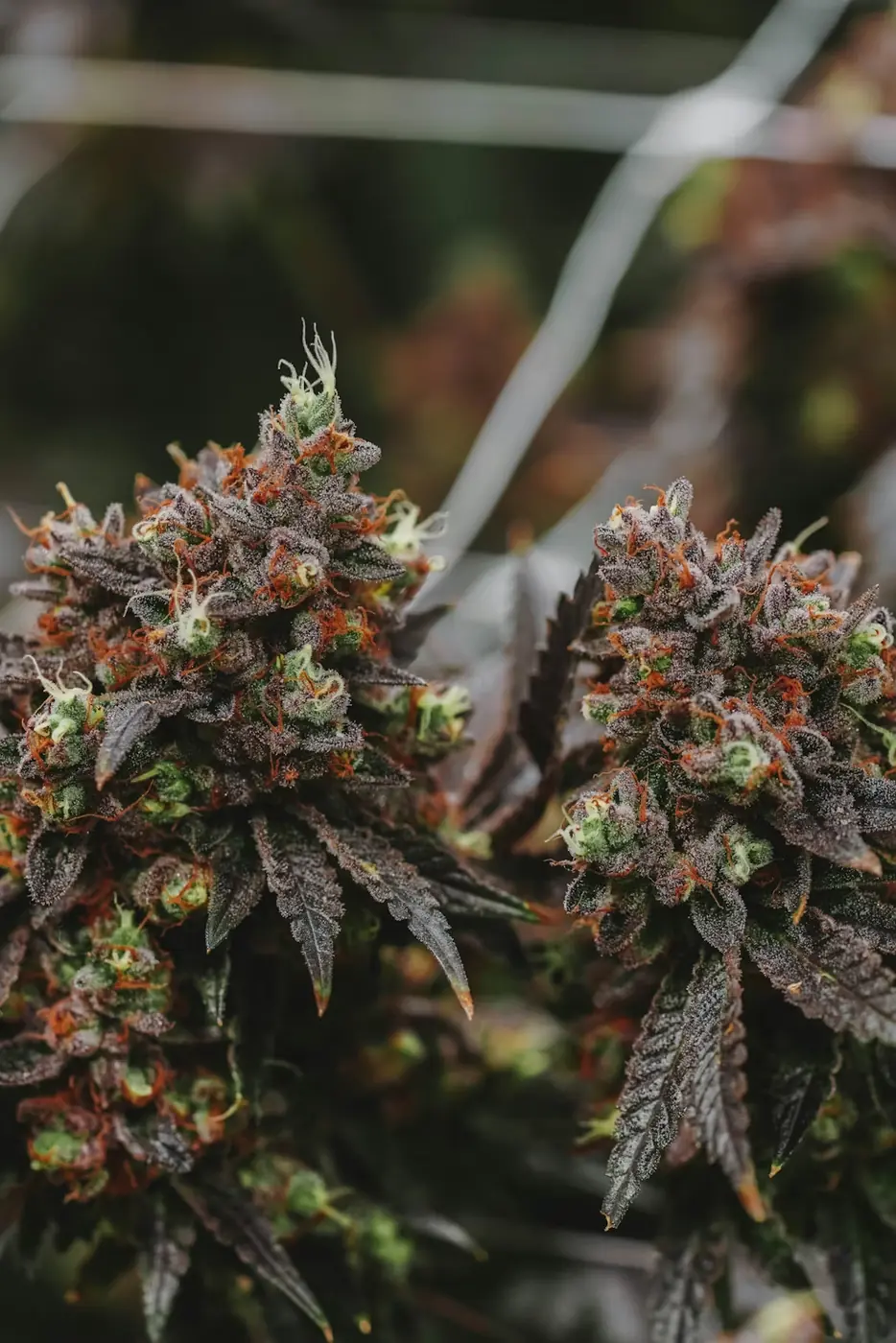
THCA is the raw precursor to delta-9 THC found naturally in the cannabis plant. In its unheated form it is non-psychoactive, but smoke or vape it and it converts to the same active compound as traditional cannabis.
Quick answer
THCA (tetrahydrocannabinolic acid) is the raw, acidic form of THC found in unheated hemp and cannabis plants. It is non-psychoactive on its own.
When you apply heat — by smoking, vaping, or cooking — THCA converts to delta-9 THC through a process called decarboxylation. The resulting experience is the same as traditional cannabis.
Hemp-derived THCA is sold legally under the 2018 Farm Bill because the raw plant tests under 0.3% delta-9 THC. State laws vary significantly — check your state before buying.
Key takeaways
- THCA and delta-9 THC are the same base molecule at different stages. Heat is the trigger that activates it.
- THCA flower looks, smells, and smokes like traditional marijuana because it essentially becomes THC the moment you light it.
- Hemp-derived THCA is federally legal under a contested but widely applied Farm Bill argument. Several states have moved to restrict it — always check local law.
Products worth comparing
Products to consider
These products match the topic covered above. Always verify current pricing and availability before purchasing.
| Product image | Product | Best For | Lab Tested | Price | Shop |
|---|---|---|---|---|---|
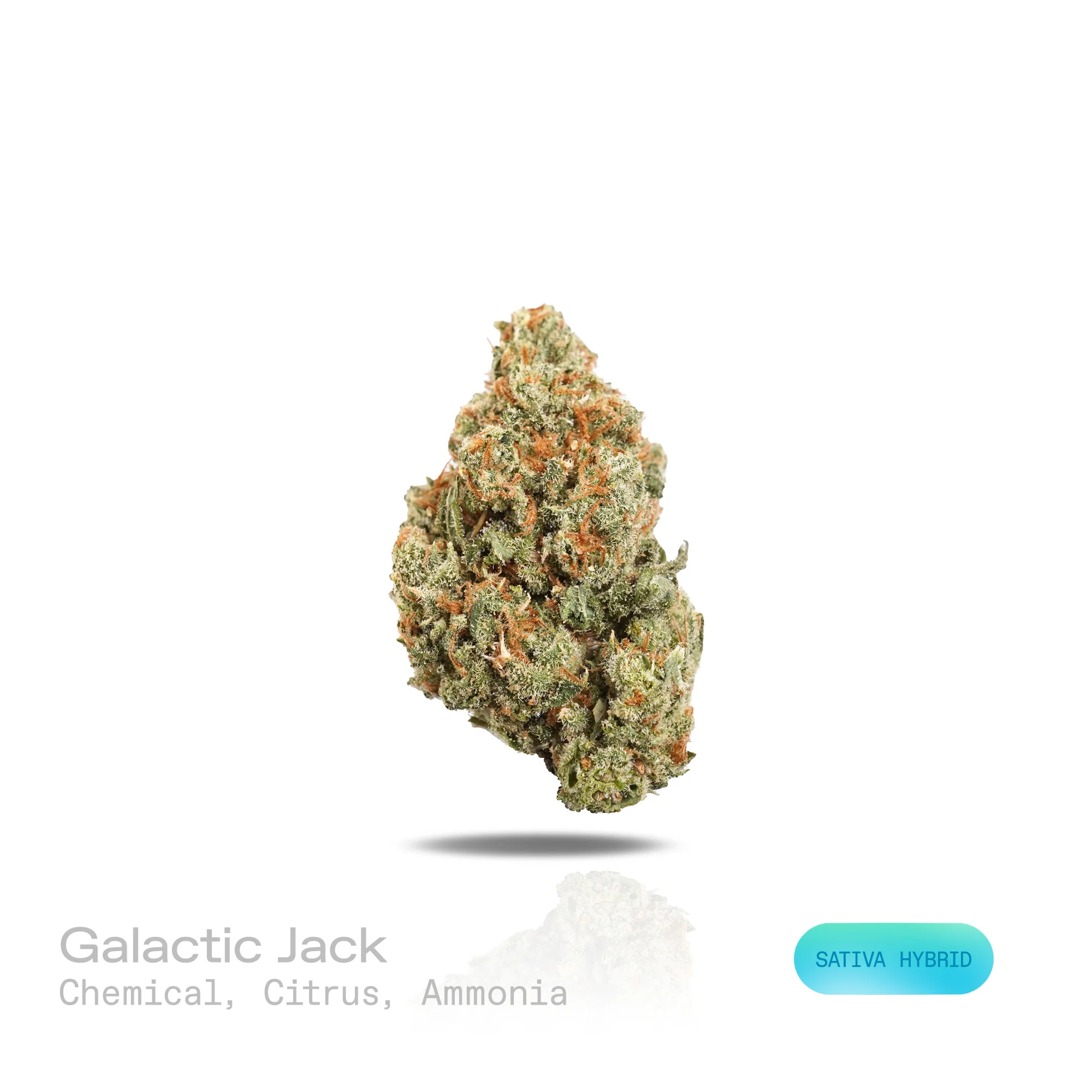
| Galactic Jack THCa FlowerPuffy | Sativa-dominant hybrid from Jack Herer and Space Queen lineage. A better fit for shoppers comparing daytime-leaning flower with citrus-forward strain context. | Yes | $99.95 | Check price at Puffy (opens in new tab) |
Related topic
Explore the THCA Guides hub
THCA is the raw precursor to delta-9 THC found in hemp flower. These guides cover flower types, diamond concentrates, how conversion works, legality by state, and how THCA compares to other cannabinoids.
Open THCA GuidesProduct shortcut
Want products instead?
If you already know what format you want, jump straight into the matching product category.
Browse THCA FlowerBest for
Adults who are new to THCA products and want a clear, honest explanation before browsing or buying.
Key insight
THCA is not a milder alternative to THC. In raw form it is inactive, but once heated the experience is the same active compound — just sourced from hemp under a different legal pathway.
What to check first
Your state's current hemp laws. THCA occupies contested federal territory and a patchwork of state rules. Several states restrict it regardless of its federal hemp status.
How they compare
Psychoactive in raw form?
The distinction matters for raw consumption (juicing, capsules) but not for smoking or vaping, where THCA converts to delta-9 during use.
Legal pathway
Hemp delta-9 edibles face less legal ambiguity in most states. THCA flower operates under a more contested argument that has not been resolved by a federal court.
Product formats
Format drives most purchase decisions. THCA dominates the flower and concentrate market; delta-9 dominates edibles and tinctures.
Onset and duration when consumed
Timing differences are driven by consumption method, not the cannabinoid label. Both deliver the same active compound — the route changes the experience arc.
What THCA actually is
THCA stands for tetrahydrocannabinolic acid. It is the raw, unheated precursor to delta-9 THC — the same base molecule, but with a carboxyl group attached that makes it chemically and functionally different. In this form, THCA cannot bind effectively to the brain receptors responsible for psychoactive effects. The living hemp plant produces almost exclusively THCA, not delta-9 THC directly.
When you see a lab report for fresh hemp flower listing a high THCA percentage — say, 22% — that number represents the dominant cannabinoid in the raw, unheated plant. The delta-9 THC number on the same report will be much lower, often under 0.3%. This is the chemistry behind THCA's legal pathway under the 2018 Farm Bill, and it is also why understanding THCA requires understanding what happens to it when heat is applied.
How THCA becomes THC: decarboxylation explained
Decarboxylation is the process of applying heat to remove the carboxyl group from THCA, converting it into active delta-9 THC. It sounds technical but the mechanism is simple: light a bowl of THCA flower, draw from a THCA vape, or bake cannabis into edibles — and decarboxylation happens automatically. The THCA in the raw plant becomes the same delta-9 THC you would find in any traditional cannabis product.
This conversion is fast and nearly complete when you smoke or vape. It is slower and more variable when cooking. And it happens gradually at room temperature over months — which is why aged cannabis tends to have lower THCA and higher delta-9 THC ratios than fresh flower. For practical purposes: if you are smoking or vaping THCA flower, you are consuming delta-9 THC. The THCA label describes the raw plant chemistry, not the end experience.
Does THCA get you high?
It depends on how it is consumed. Raw, unheated THCA does not produce a psychoactive high. People who juice raw cannabis, take unheated THCA capsules, or otherwise consume THCA without applying heat will not experience the effects associated with THC. This is why some people explore raw THCA for potential wellness applications without wanting the psychoactive component — though research on raw THCA's standalone effects is still early.
Heated THCA absolutely does produce a high — because it has become delta-9 THC by the time it reaches your system. Smoking or vaping THCA flower delivers the same effects as traditional cannabis: euphoria, relaxation, altered sensory perception, and increased appetite are common, though the experience varies significantly by strain, dose, and individual tolerance. If you are new to THCA products, start with a small amount and wait to feel the full effects before consuming more.
Is THCA legal?
Hemp-derived THCA is sold legally across much of the United States under the 2018 Farm Bill, which defined legal hemp as cannabis containing no more than 0.3% delta-9 THC by dry weight. THCA is a different compound than delta-9 THC in its raw state, so high-THCA flower can test under the 0.3% delta-9 threshold and qualify as legal hemp under this interpretation.
The DEA has argued, in informal guidance, that THCA should count toward total THC when determining hemp compliance — which would put high-THCA flower well over the 0.3% ceiling. That position has not been settled by a federal court, and most THCA retailers continue to operate under the Farm Bill's plain-language interpretation. The legal argument is genuinely contested.
State law is where the answer most directly affects you. Several states — including Idaho, Arkansas, and Mississippi — have moved to restrict or ban THCA products regardless of federal hemp status. Others allow hemp products broadly without THCA-specific rules. Check your state's current hemp regulations before ordering, and review the retailer's shipping restrictions as a fast read on where the current legal lines are drawn. Our THCA legality by state guide tracks current status across all 50 states.
Types of THCA products
THCA appears in several product formats, each with a different consumption method and experience. THCA flower is the most common: it looks, smells, and smokes like traditional marijuana because once lit, the THCA converts to delta-9 THC. It is sold in various strains — indica, sativa, and hybrid — and typically available by the gram or ounce. THCA vapes (disposables and cartridges) heat the concentrate to the same conversion point, delivering fast-acting effects with a smaller device footprint.
THCA concentrates — diamonds, wax, and live resin — are more potent, higher-purity forms typically used with a dab rig or concentrate-compatible vaporizer. These are among the highest-potency cannabis products available and are not a starting point for new users. Some tinctures and capsules are formulated with raw, unheated THCA for people seeking the non-psychoactive form — but these are less common and serve a different use case than smoked or vaped products.
What a THCA high feels like
Because smoked or vaped THCA converts to delta-9 THC during consumption, the experience closely mirrors traditional cannabis. Effects vary based on strain, dose, your individual tolerance, and consumption method. Indica-dominant strains tend toward body relaxation and sedation; sativas lean toward more energized or cerebral effects; hybrids fall somewhere between. These are generalizations — individual chemistry and dosing matter at least as much as strain classification.
Onset is fast when smoked or vaped: most people feel effects within 5 to 15 minutes, with a duration of roughly 1 to 3 hours. If you are new to THCA or returning after a long break, start with less than you think you need. The THC Dosage Calculator can help you think through a conservative starting range based on your experience level and body weight.
Buying THCA responsibly
THCA from reputable vendors is generally considered safe for healthy adults in states where it is permitted. The most important step is confirming lab documentation: look for a current Certificate of Analysis from an accredited, independent third-party laboratory. The COA should confirm delta-9 THC content at or below 0.3% by dry weight, and include testing for pesticides, heavy metals, and residual solvents. An outdated COA or one from an in-house lab is not sufficient.
THCA will very likely trigger a positive result on a standard drug test. Standard tests screen for THC metabolites, and because THCA converts to delta-9 THC during consumption, the same metabolites are produced. Do not assume a THCA product is drug-test safe. And because THCA flower can be as potent as high-THC cannabis once smoked, approach it with the same care you would any high-potency cannabis product — particularly if you are new to it.
Buyer checklist
- Confirm any product has a current Certificate of Analysis (COA) from an independent, accredited lab showing delta-9 THC at or below 0.3% by dry weight.
- Check your state's current hemp rules before ordering — restrictions on THCA vary widely by state.
- Decide on your format first: flower and vapes for fast onset; edibles for longer, more gradual effects.
- Start with a small amount if you are new to cannabis. THCA flower can be as potent as high-THC cannabis once heated.
Browse THCA flower
Puffy sources and lab-tests their THCA flower and publishes COAs for each product. A good starting point if you want flower with documented testing.
Elevated Guide may earn a commission on qualifying Puffy purchases. For adult use only where legal.
Browse THCA vapes
If you prefer a vape format, Puffy's THCA disposables use live resin and publish lab results. Check the COA before any purchase.
Elevated Guide may earn a commission on qualifying Puffy purchases. For adult use only where legal.
Sources and update notes
How this guide is maintained
Last reviewed: July 24, 2026
- This guide is reviewed periodically for product availability, cannabinoid terminology, claim restraint, and legal-awareness framing.
- Product prices, formulations, COAs, ingredients, and retailer policies can change after publication. Verify current details with the retailer before purchasing.
- For THCA, Delta-8, Delta-9, and other hemp-derived THC products, state law and total THC rules may affect whether a product is available or appropriate to buy.
Frequently asked questions
Is THCA the same as THC?
THCA and delta-9 THC are chemically related but distinct. THCA is the raw, non-psychoactive precursor found in unheated hemp. When heat is applied — through smoking, vaping, or cooking — THCA converts to delta-9 THC through decarboxylation. In terms of the experience when smoked or vaped, the result is the same active compound.
Can you eat THCA flower raw without getting high?
Yes. Raw, unheated THCA does not convert to delta-9 THC and will not produce a psychoactive high when consumed without heat. Some people add raw cannabis to smoothies or juices for this reason. However, most THCA products are intended for smoking or vaping, where the conversion happens automatically.
Will THCA show up on a drug test?
Almost certainly yes. Standard drug tests screen for THC metabolites — not THCA specifically. Because THCA converts to delta-9 THC when smoked or vaped, it produces the same metabolites standard tests detect. Do not assume a THCA product is drug-test safe.
Is THCA flower stronger than regular weed?
Once smoked, THCA flower delivers delta-9 THC — so its potency is comparable to traditional high-THC cannabis. High-THCA percentages on a label translate to high THC potency after decarboxylation. The THCA to THC Conversion Calculator can help you estimate the approximate delta-9 yield from a given THCA percentage.
Does THCA flower smell like cannabis?
Yes. THCA flower is hemp, but it contains the same terpene profile as cannabis strains — which means it smells identical to traditional marijuana. The aroma comes from terpenes, not THCA itself, and those are present regardless of the delta-9 THC content of the raw plant.
How should I store THCA flower?
Store THCA flower in an airtight container away from heat, light, and humidity. Excessive heat can trigger partial decarboxylation before you are ready to use the product, gradually converting THCA to delta-9 THC and degrading potency. A cool, dark environment — like a sealed jar in a drawer — works well for most consumers.