
Thca guide
Does THCA Show Up on a Drug Test?
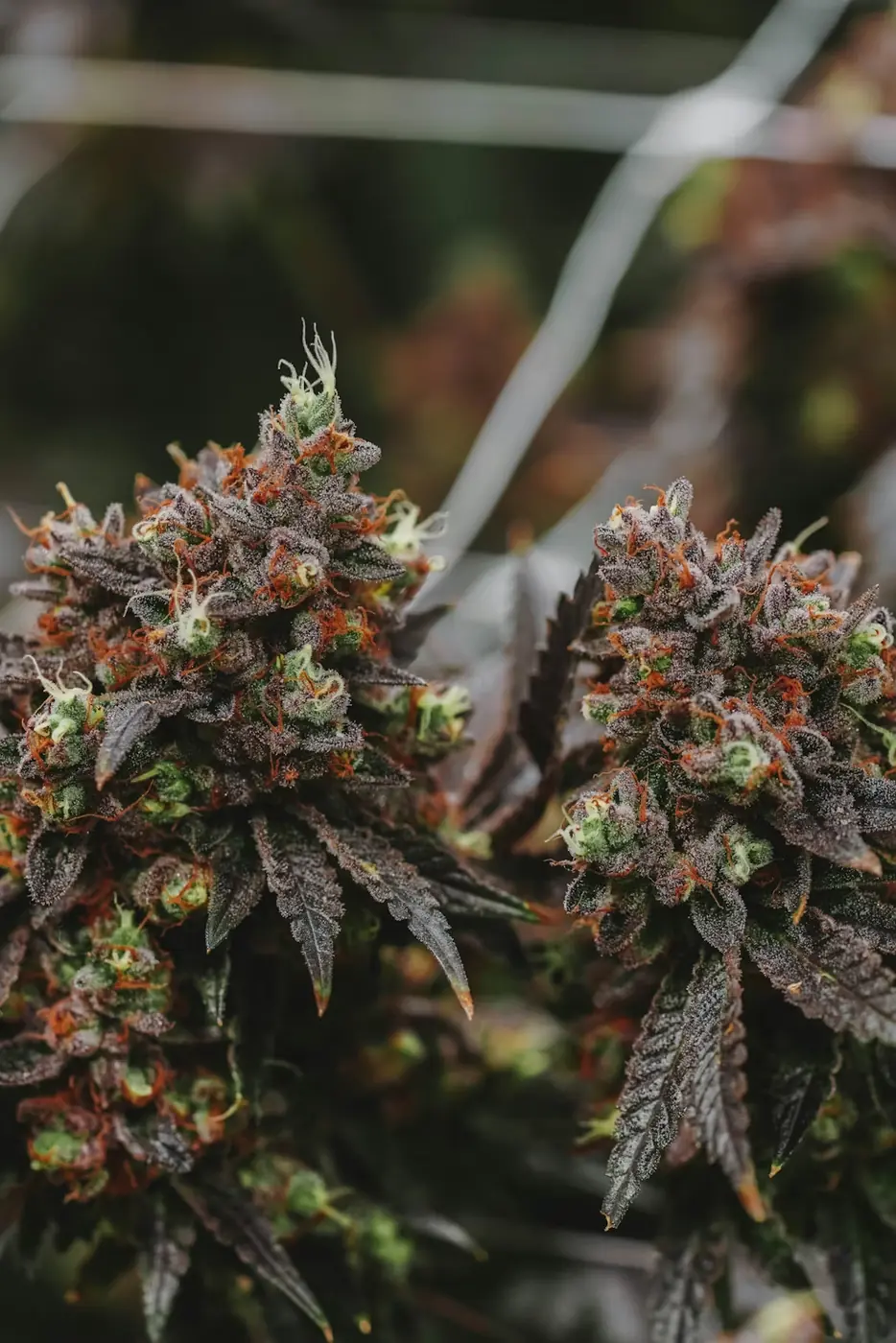
THCA converts to delta-9 THC when smoked or vaped, and THC produces the same metabolites standard drug tests are designed to detect. If you use THCA products, assume a drug test will come back positive.
Quick answer
Yes. Standard drug tests screen for THC metabolites — specifically THC-COOH — not THCA itself. Because THCA converts to delta-9 THC when smoked or vaped, it produces the exact metabolites these tests detect.
There is no meaningful difference between using THCA flower and using traditional cannabis from a drug-testing perspective. The end compound and its metabolites are the same.
Detection windows depend on how often you use, which test type is used, and individual metabolism — but frequent users can test positive weeks after last use.
Key takeaways
- THCA is not drug-test safe. The hemp label and the federal legal argument do not change what your body metabolizes.
- Urine tests are the most common and can detect THC metabolites for 3 days in occasional users and up to 30 days in heavy users.
- Hair follicle tests have the longest window — up to 90 days — and cannot be meaningfully affected by detox products.
- If you face a drug test, the only reliable strategy is stopping use early enough for metabolites to clear naturally.
Products worth comparing
Products to consider
These products match the topic covered above. Always verify current pricing and availability before purchasing.
| Product image | Product | Best For | Lab Tested | Price | Shop |
|---|---|---|---|---|---|
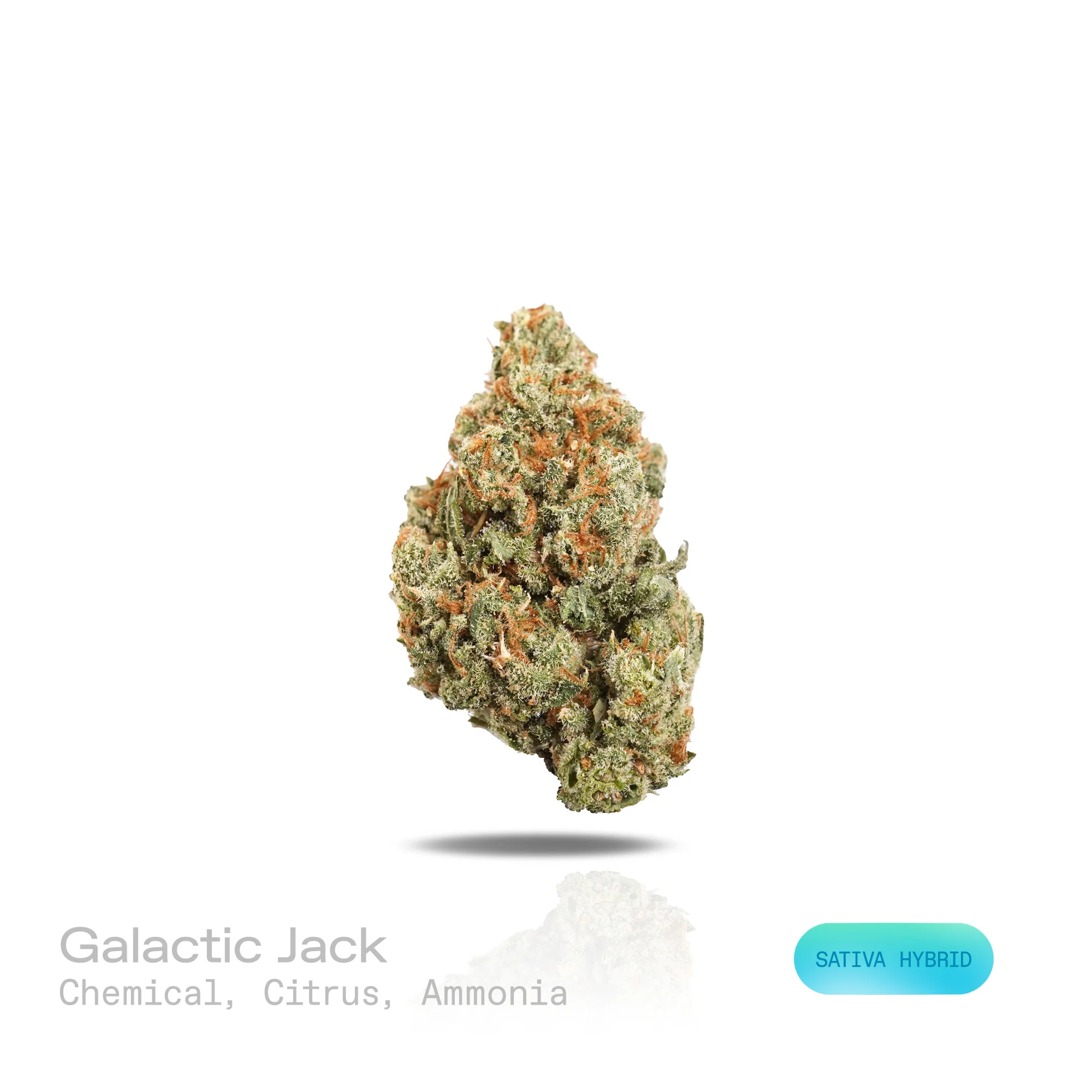
| Galactic Jack THCa FlowerPuffy | Sativa-dominant hybrid from Jack Herer and Space Queen lineage. A better fit for shoppers comparing daytime-leaning flower with citrus-forward strain context. | Yes | $99.95 | Check price at Puffy (opens in new tab) |
Related topic
Explore the THCA Guides hub
THCA is the raw precursor to delta-9 THC found in hemp flower. These guides cover flower types, diamond concentrates, how conversion works, legality by state, and how THCA compares to other cannabinoids.
Open THCA GuidesProduct shortcut
Want products instead?
If you already know what format you want, jump straight into the matching product category.
Browse THCA FlowerWho this is for
Adults who use or are considering THCA products and need an honest answer about drug testing before making decisions about their job or obligations.
The key misconception
Many people assume THCA is drug-test safe because it is sold as hemp. It is not. The legal classification of the product has no bearing on what your body produces after consuming it.
What detox products actually do
Most THC detox drinks and kits temporarily dilute urine, which some labs can flag as invalid. They do not eliminate THC metabolites and do not reliably produce a negative result.
How they compare
Urine test vs hair follicle test
Urine tests are the standard to plan around for most workplace situations. Hair tests are used less frequently but offer no meaningful clearance window for regular users.
Smoked/vaped THCA vs raw unheated THCA
Standard drug tests are not designed to detect THCA directly — they look for THC metabolites. Raw THCA may carry less risk, but the research is limited and standard tests are not designed to distinguish. This is not a reliable workaround.
Occasional use vs heavy daily use (urine detection)
Usage frequency is the biggest variable in how long metabolites remain detectable. Heavy daily users need significantly more time to clear than occasional users.
Why THCA triggers a positive drug test
Standard drug tests do not screen for THCA directly. They screen for THC-COOH — a metabolite produced when your body processes delta-9 THC. The problem is that smoking or vaping THCA flower converts it to delta-9 THC through decarboxylation before it even enters your bloodstream. From your body's perspective, you have consumed delta-9 THC, and it metabolizes accordingly.
This means there is no meaningful distinction between smoking THCA flower and smoking traditional high-THC cannabis from a drug-testing standpoint. The legal label on the product has nothing to do with what your metabolism produces. A urine test, blood test, or hair test cannot tell the difference — and is not designed to.
Drug test types and detection windows
Urine tests are the most common format for workplace and program-based drug screening. They detect THC-COOH, which is fat-soluble and cleared slowly. For occasional users (once or twice a week), metabolites typically clear within 3 to 7 days. Moderate users (a few times a week) should expect 7 to 14 days. Heavy daily users may test positive for 21 to 30 days or longer after stopping — the compound accumulates in fat tissue and releases gradually.
Blood tests detect active THC and its immediate metabolites. They have a short window — typically 1 to 2 days for occasional users, up to 7 days for heavy users — and are more commonly used in roadside or post-accident testing than for employment screening. Saliva tests are increasingly used for roadside and same-day workplace testing and detect THC directly; detection windows are generally 1 to 3 days. Hair follicle tests have the longest window of any test type — up to 90 days — and are not reliably affected by any detox product or timeline strategy. They are less common but used in some industries and legal proceedings.
Do detox drinks and cleanses work?
THC detox products — drinks, kits, supplements — are widely marketed but do not eliminate THC metabolites from your body. What most of them do is temporarily dilute urine, lowering the concentration of THC-COOH below the cutoff threshold for a brief window. Modern labs test for creatinine levels and urine dilution markers specifically to flag this. A diluted sample can be returned as invalid and require a retest, which often extends the testing window rather than resolving it.
There is no supplement, drink, or cleanse that accelerates the body's clearance of THC metabolites in a meaningful, reliable way. Exercise speeds up metabolism generally but also releases stored metabolites from fat tissue, which can temporarily raise urine concentration. The only reliable strategy is time — stopping use early enough for your body to clear metabolites naturally based on your usage history and the test type you face.
What about raw, unheated THCA?
Some THCA products — capsules, tinctures, and raw-cannabis preparations — are consumed without heat, meaning THCA does not convert to delta-9 THC during consumption. Standard immunoassay drug tests are calibrated to detect THC-COOH metabolites, not THCA itself. In theory, raw unheated THCA might not trigger the same metabolite pathway.
In practice, this is not a reliable workaround for several reasons. First, most people consuming THCA products are smoking or vaping, which means full conversion to THC. Second, some THCA may convert to THC through normal body temperature and stomach acid over time, though the research on this is limited. Third, standard tests are not designed to distinguish between THCA and THC metabolites, and lab cutoffs, sensitivity, and protocols vary. Anyone facing a drug test should not assume any THCA product format is safe.
If you have a test coming up
The most important variable is time. Stop use as early as possible and give your body the maximum opportunity to clear metabolites. Your usage frequency before stopping matters more than any supplement or cleanse. Occasional users have cleared urine tests in 3 to 5 days; heavy daily users may need 3 to 4 weeks or longer.
Know which test type you are facing. Urine tests are the most plannable — the window is meaningful and time-dependent. Saliva tests have a short window and are most relevant for recent use. Blood tests are rarely used for employment screening. Hair tests offer no practical clearance window for regular users. If you are uncertain, assume the worst-case scenario for your usage level and plan accordingly.
If employment, legal obligations, or custody arrangements are at stake, consult with a doctor or attorney before making assumptions about clearance timelines. Individual metabolism, body composition, and other factors mean published averages do not apply equally to everyone.
Buyer checklist
- If you are subject to drug testing, treat THCA products the same as traditional cannabis — they are not a workaround.
- Know which test type your employer or program uses. Urine, blood, saliva, and hair tests have very different detection windows.
- If you have a test scheduled, stop use as early as possible and allow time for natural clearance based on your usage frequency.
- Do not rely on detox products — labs can flag diluted samples, and the products do not reliably eliminate metabolites.
Browse THCA flower
If you have confirmed your drug-testing situation and are shopping for THCA flower, Puffy publishes COAs for each product. Always verify lab results before purchasing.
Elevated Guide may earn a commission on qualifying Puffy purchases. For adult use only where legal.
Browse THCA vapes
Puffy's THCA disposables use live resin and include lab documentation. Check the COA and confirm your situation before any purchase.
Elevated Guide may earn a commission on qualifying Puffy purchases. For adult use only where legal.
Sources and update notes
How this guide is maintained
Last reviewed: July 24, 2026
- This guide is reviewed periodically for product availability, cannabinoid terminology, claim restraint, and legal-awareness framing.
- Product prices, formulations, COAs, ingredients, and retailer policies can change after publication. Verify current details with the retailer before purchasing.
- For THCA, Delta-8, Delta-9, and other hemp-derived THC products, state law and total THC rules may affect whether a product is available or appropriate to buy.
Frequently asked questions
Does THCA show up on a urine drug test?
Yes, if you have smoked or vaped THCA. Urine drug tests screen for THC-COOH, a metabolite of delta-9 THC. Because THCA converts to delta-9 THC when heated, smoking or vaping THCA flower produces the same metabolites as traditional cannabis. Detection windows depend on how often you use — 3 to 7 days for occasional users, up to 30 days for heavy daily users.
Is THCA flower drug-test safe?
No. THCA flower is not drug-test safe. The hemp label and legal classification have no bearing on what your body metabolizes after smoking or vaping it. From a drug-testing perspective, THCA flower is indistinguishable from traditional cannabis.
How long does THCA stay in your system?
The relevant compound is delta-9 THC and its metabolites, which THCA becomes when heated. In urine, THC-COOH is detectable for roughly 3 to 7 days in occasional users and up to 30 days in heavy daily users. In hair, metabolites can be detected for up to 90 days. In blood and saliva, detection windows are shorter — typically 1 to 3 days.
Can you beat a drug test after using THCA?
Not reliably. Detox drinks temporarily dilute urine but modern labs test for dilution markers and can flag the sample as invalid. No supplement reliably eliminates THC metabolites. Time is the only reliable factor — stopping use and allowing metabolites to clear naturally before the test.
Do drug tests test for THCA specifically?
Standard immunoassay drug tests are calibrated to detect THC-COOH, a metabolite of delta-9 THC — not THCA itself. However, because smoked or vaped THCA converts to delta-9 THC before entering your bloodstream, the metabolite that tests detect is produced regardless of whether the original compound was labeled THCA or THC.
What is the cutoff level for a positive THC urine test?
The most common federal cutoff for THC-COOH in urine is 50 ng/mL for an initial screen and 15 ng/mL for a confirmatory GC-MS test. Private employers can set their own thresholds, which may be higher or lower. Occasional users are more likely to fall below the cutoff sooner than heavy users.