
Vapes guide
Best Delta-8 Vapes
Delta-8 vapes appeal to users who want fast onset and a milder experience than delta-9. But the documentation bar is higher for vapes than for gummies — here is what to check.
Quick answer
Delta-8 vapes produce effects in 5 to 15 minutes and last 1 to 3 hours. The fast onset is the primary reason buyers choose vapes over edibles.
COA requirements for vapes are higher than for edibles: you need a cannabinoid panel AND residual solvent screening. Cutting agents and low-quality distillates are a genuine risk in the vape market.
Ceramic coils are preferred over metal-wick coils for flavor quality and reduced risk of metal exposure. Cartridges require a compatible 510-thread battery; disposables are self-contained.
Key takeaways
- Residual solvent testing is the critical COA element for any vape product. The extraction and oil preparation process introduces solvents that must be fully removed.
- Ceramic coils heat oil more evenly, preserve flavor better, and are considered a quality standard over metal-wick alternatives.
- Dosing with a vape requires calibration experience. Unlike per-piece gummy dosing, puff-based dosing varies by draw length, draw speed, and device output.
Products worth comparing
Products to consider
These products match the topic covered above. Always verify current pricing and availability before purchasing.
| Product image | Product | Best For | Strength | Lab Tested | Price | Shop |
|---|---|---|---|---|---|---|
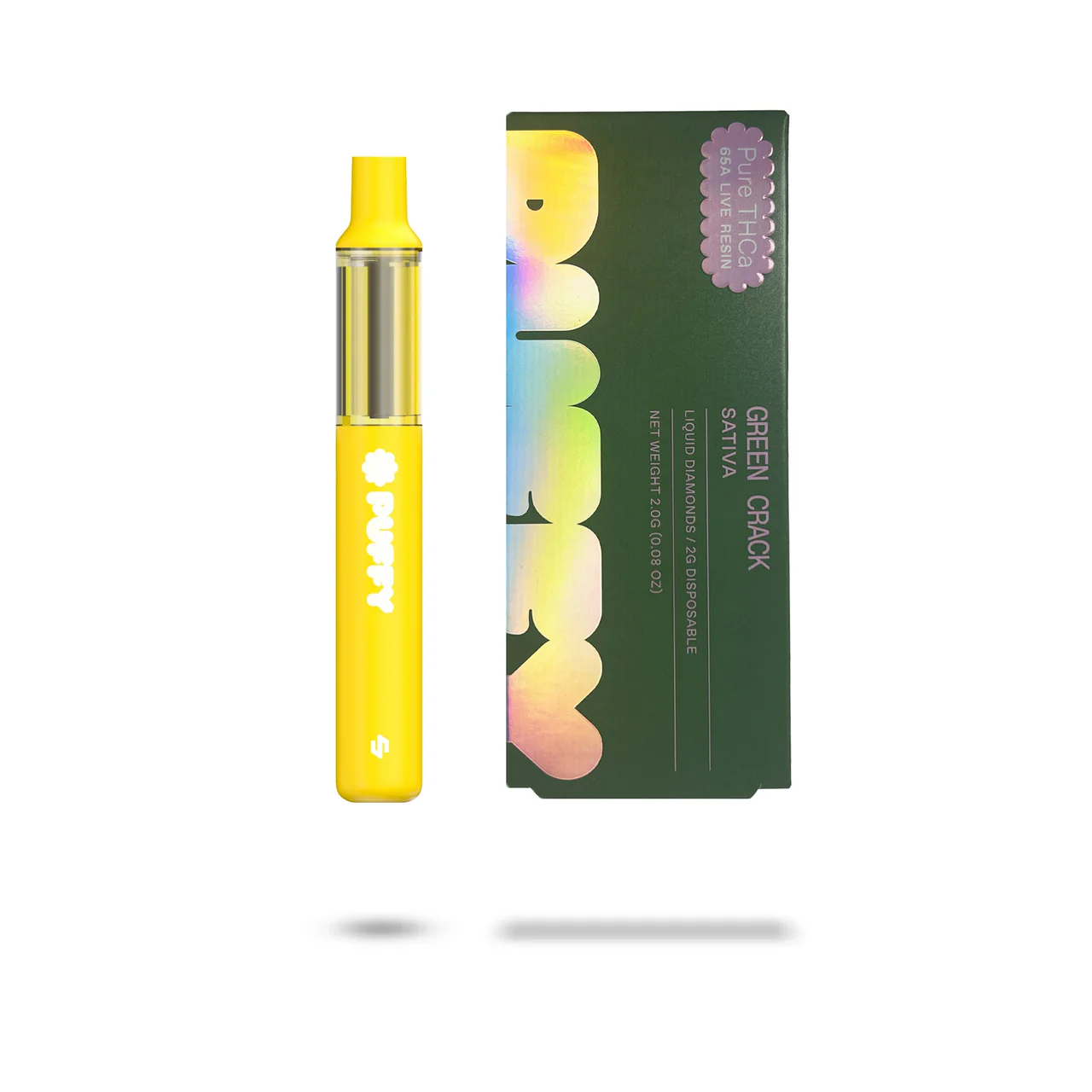
| Green Crack THCA Live Resin Disposable VapePuffy | Sativa-positioned THCA live resin disposable for shoppers comparing citrus-forward flavor, fast onset, and daytime-leaning vape formats. | N/A | Yes | $49.95 | Check price at Puffy (opens in new tab) | |
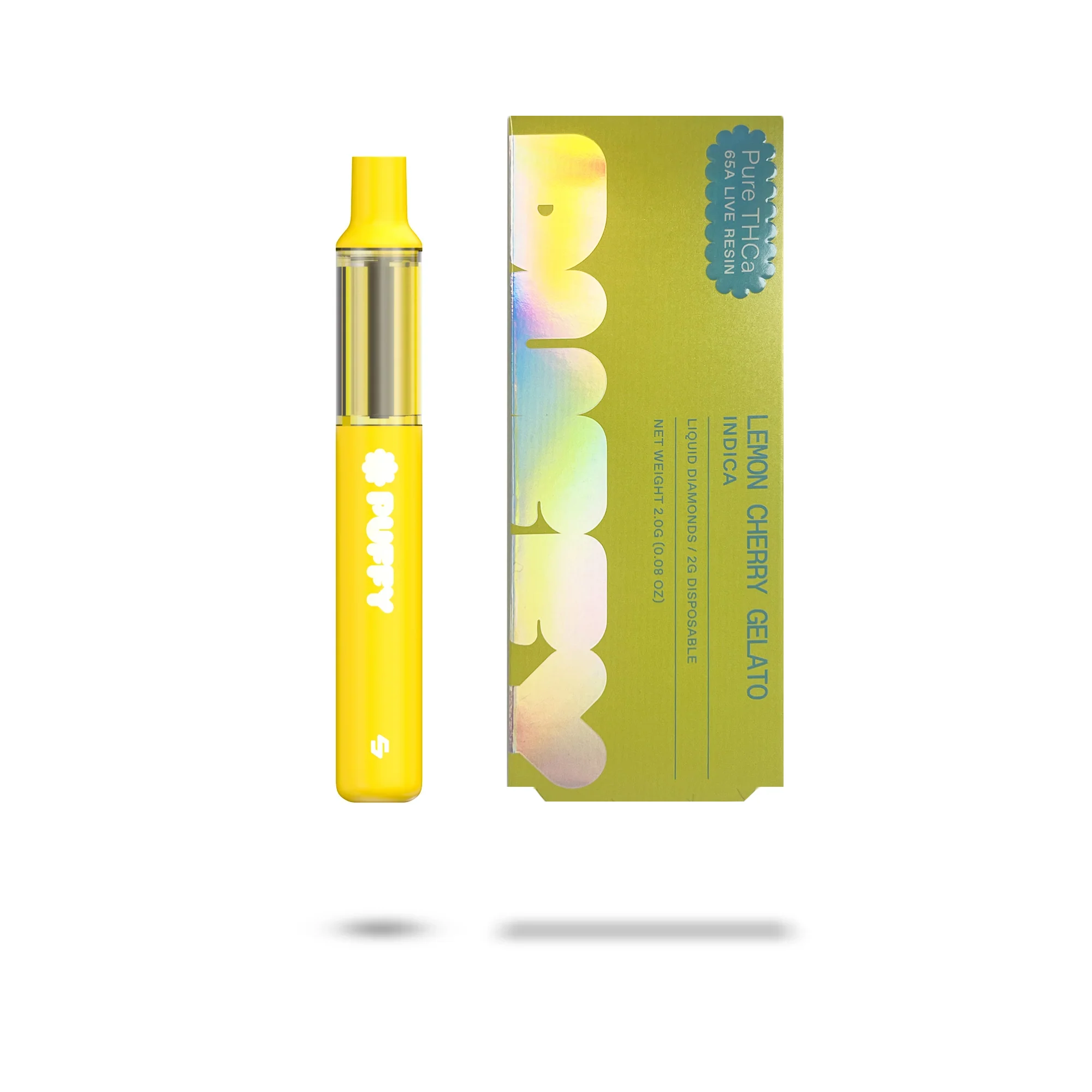
| Lemon Cherry Gelato THCA Live Resin Disposable VapePuffy | Indica-dominant THCa live resin with zesty citrus, sweet cherry, and a sharp gasoline note. Uplifting euphoria that transitions into deep full-body relaxation with a light tingling sensation. | N/A | Yes | $49.95 | Check price at Puffy (opens in new tab) | |
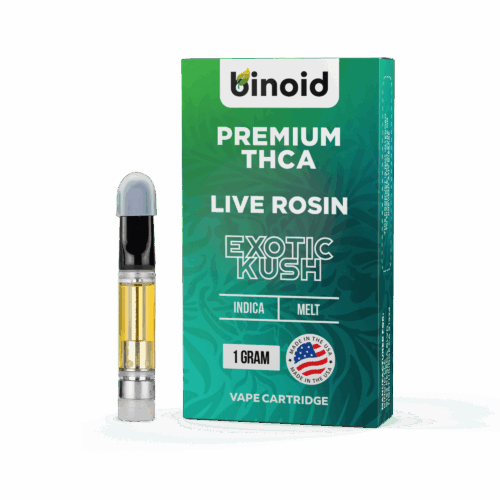
| THCA Vape Cartridge – Live RosinBinoid | THCA vape cartridge built on 99% THCA distillate paired with live rosin terpenes. A strong pick for shoppers comparing high-purity 1-gram cartridges across six available strain flavors. | 99% THCA Distillate | Yes | $30.99 | Check price at Binoid (opens in new tab) |
Related topic
Explore the THC Vapes hub
Hemp THC vapes deliver faster onset than edibles and suit situational use better than a longer-lasting gummy session. This hub compares delta-8 cartridges, disposables, and beginner-friendly options with documentation standards front and center.
Open THC VapesProduct shortcut
Want products instead?
If you already know what format you want, jump straight into the matching product category.
Browse THC VapesBest for
Buyers who want faster onset than edibles and a milder potency profile than full delta-9 products.
Most important COA check
Residual solvent screening. Many cannabinoid COAs skip this. For vapes, it is not optional.
Hardware note
A 510-thread variable-voltage battery lets you control temperature and extend cartridge life. Fixed-voltage cheap batteries can burn oil too hot.
Why delta-8 vapes appeal to buyers
The combination of fast onset (5 to 15 minutes) and delta-8's milder potency profile makes delta-8 vapes a specific niche in the hemp market. For users who want faster feedback than edibles provide — without the full-potency delta-9 experience that THCA flower delivers — delta-8 vapes occupy a reasonable middle ground.
Many users who have found delta-9 vapes or flower too intense at moderate doses report that delta-8 vapes are more manageable. The lower potency (roughly 50–70% of delta-9) combined with the fast-onset, short-duration characteristic of inhaled products gives more control over the experience than edibles do. You can take a small draw, assess in 15 minutes, and adjust accordingly — something edibles do not allow.
The tradeoff compared to delta-8 gummies is that vape dosing requires more calibration. A gummy has a precise per-piece milligram count. A vape cartridge requires you to develop a sense of how your specific device, at your draw speed and duration, translates to a dose. This is learnable but takes a few sessions to establish.
COA and ingredient requirements for vapes
The documentation standard for vapes is more demanding than for gummies, because more can go wrong in the manufacturing process. A standard cannabinoid panel is necessary but not sufficient. You also need residual solvent screening to confirm that extraction and refinement solvents have been fully removed from the final oil. Solvents including butane, propane, pentane, and ethanol must be below regulatory thresholds to be considered safe for inhalation.
Cutting agents are a documented concern in the vape market. Vitamin E acetate (tocopheryl acetate) was identified as a contributing factor in the 2019 EVALI (e-cigarette or vaping associated lung injury) outbreak. Reputable brands explicitly exclude vitamin E acetate and other cutting agents, and this should be confirmed on the COA or in product specifications. If a brand does not address cutting agent testing, ask for documentation before purchasing.
Heavy metal screening is an additional consideration for cartridge hardware — the heating element and cartridge body can leach metals into the oil at high temperatures. Quality hardware with ceramic coils and food-grade materials reduces this risk. A comprehensive COA for a vape product should include the oil testing; hardware specifications should confirm ceramic coils and safe materials.
Hardware: cartridges, disposables, coils, and batteries
Delta-8 vape products come in two primary hardware formats: refillable cartridges (carts) and disposable devices. Cartridges are the oil-containing portion that attaches to a separate battery. Most use a 510-thread connection — an industry standard that allows mix-and-match with compatible batteries. Disposables are self-contained units with battery, coil, and oil integrated into one device that is discarded when empty.
Coil material matters for both flavor and safety. Ceramic coils heat the oil more evenly and do not react with cannabinoids the way metal-wick coils can. Metal-wick coils (often cotton wrapped around resistance wire) can produce metallic off-notes and are considered a lower-quality standard. Check product descriptions or contact the brand to confirm coil material if it is not specified.
For cartridges, a variable-voltage 510-thread battery gives you control over the temperature at which oil is vaporized. Lower temperatures (typically 2.4–3.0V for most oils) preserve terpenes and flavor; higher temperatures produce more vapor but can burn the oil. Cheap fixed-voltage batteries that run at high output can degrade oil quality and reduce the lifespan of the cartridge.
Dosing approach for delta-8 vapes
Unlike per-piece gummy dosing, vape dosing is inherently less precise. The amount of delta-8 delivered per puff varies based on draw duration, draw speed, battery voltage, oil viscosity, and coil condition. Manufacturers sometimes provide per-puff estimates, but these are approximations that will vary for every user.
The practical approach: start with a single short draw (2 to 3 seconds) and wait 10 to 15 minutes to assess the effect. If the effect is less than you wanted, take another short draw. Do not take multiple draws in quick succession before effects have had time to develop — this is the vape-equivalent of edible redosing and produces the same result: more than intended.
Over time, you will develop a personal calibration for a given product and device. "One draw on this cartridge on this battery" becomes a known reference point. That calibration is specific to the product and device combination — switching brands or hardware resets your baseline. Start conservatively again when trying anything new.
Buyer checklist
- Confirm the COA includes residual solvent screening in addition to the cannabinoid panel.
- Look for ceramic coil hardware — check the product description or brand specifications.
- For cartridges, confirm your battery is a 510-thread compatible variable-voltage device.
- Verify your state permits delta-8 products before ordering.
- Start with a single small draw and wait 10 to 15 minutes before taking more.
Browse delta-8 vape cartridges
If you shop Amazon for delta-8 vape cartridges, look for COAs that include residual solvent testing and clear hardware details such as ceramic coils.
Elevated Guide may earn a commission on qualifying Amazon purchases. Always verify COAs, local laws, and shipping restrictions before purchasing. For adult use only where legal.
Sources and update notes
How this guide is maintained
Last reviewed: July 24, 2026
- This guide is reviewed periodically for product availability, cannabinoid terminology, claim restraint, and legal-awareness framing.
- Product prices, formulations, COAs, ingredients, and retailer policies can change after publication. Verify current details with the retailer before purchasing.
- For THCA, Delta-8, Delta-9, and other hemp-derived THC products, state law and total THC rules may affect whether a product is available or appropriate to buy.
Frequently asked questions
Is delta-8 vaping safe?
Inhalation of any vaporized substance carries some risk compared to non-inhalation routes. For delta-8 vapes specifically, the most important safety considerations are: confirming residual solvent testing, avoiding products with cutting agents like vitamin E acetate, and using hardware with ceramic coils and food-grade materials. A product with comprehensive third-party testing is a different risk profile from an undocumented product. No vape product should be characterized as completely risk-free.
What should I look for in a COA for a vape?
A complete COA for a delta-8 vape should include: delta-8 THC potency and the full cannabinoid panel; residual solvent screening (the most critical additional element for vapes); heavy metals panel; and pesticide screening. The COA should be from an accredited independent lab, recent (within the past year), and should match the specific product batch if possible. A cannabinoid-only COA without solvent testing is insufficient.
Cartridge or disposable for delta-8 vapes?
Cartridges with a good variable-voltage battery give more control and lower long-term cost. Once you have a quality 510 battery, replacing cartridges is cheaper per use than buying full disposables. Disposables are more convenient for first-time vape users or occasional use because there is no battery to manage. For regular use, cartridges and a quality battery are the better value.
How many puffs from a delta-8 vape is one dose?
There is no universal answer — puff-based dosing varies by draw duration, device output, oil viscosity, and individual tolerance. For a new user, one short draw (2 to 3 seconds) is the appropriate starting dose. Wait 10 to 15 minutes before assessing and taking more. Over a few sessions, you will develop a personal reference for how a specific device and product translates to your preferred effect level.