
Vapes guide
Delta-9 Vape vs Gummies
The choice between delta-9 vapes and gummies comes down primarily to onset speed and duration. Vapes are fast and short; gummies are slow and long. Everything else follows from that.
Quick answer
Delta-9 vapes produce effects in 5 to 15 minutes and last 1 to 3 hours. Gummies take 30 to 120 minutes and last 4 to 8 hours. If timing is the primary concern, this difference resolves most decisions.
Gummies offer precise per-piece dosing. Vapes require calibration and practice to dose consistently. For new users, gummies are generally easier to dose accurately.
Neither is inherently stronger than the other — potency depends on dose, not format. A 25mg gummy and a well-calibrated vape session can produce comparable experiences.
Key takeaways
- Onset and duration are the primary variables that differentiate vapes from gummies. All other differences are secondary.
- Dose precision favors gummies for most users — per-piece milligram counts make it straightforward. Vapes are imprecise until you build calibration experience.
- Combining both formats in the same session is high-risk. Different onset windows mean doses that seem to not be working can all arrive simultaneously.
Products worth comparing
Products to consider
These products match the topic covered above. Always verify current pricing and availability before purchasing.
| Product image | Product | Best For | Lab Tested | Price | Shop |
|---|---|---|---|---|---|
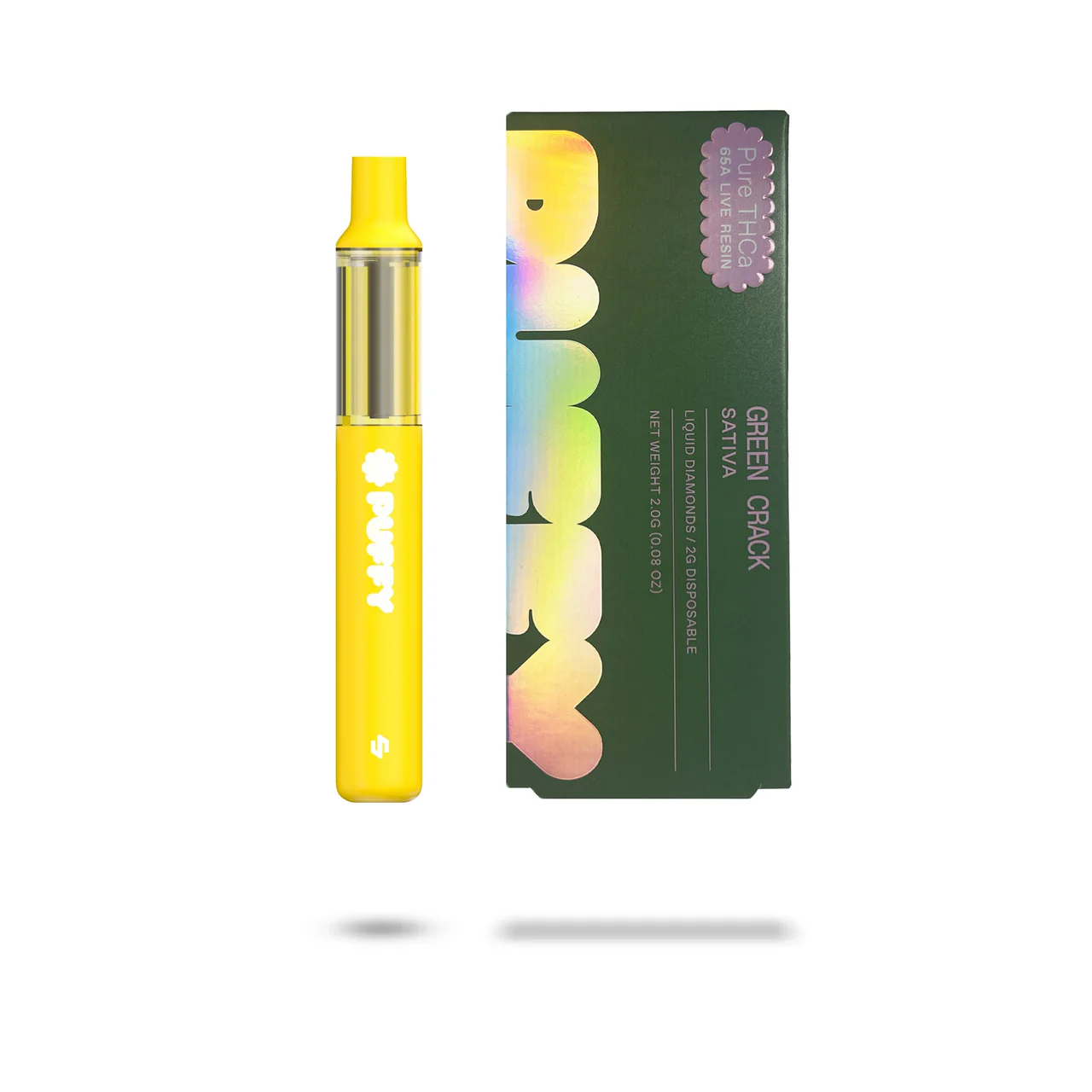
| Green Crack THCA Live Resin Disposable VapePuffy | Sativa-positioned THCA live resin disposable for shoppers comparing citrus-forward flavor, fast onset, and daytime-leaning vape formats. | Yes | $49.95 | Check price at Puffy (opens in new tab) | |
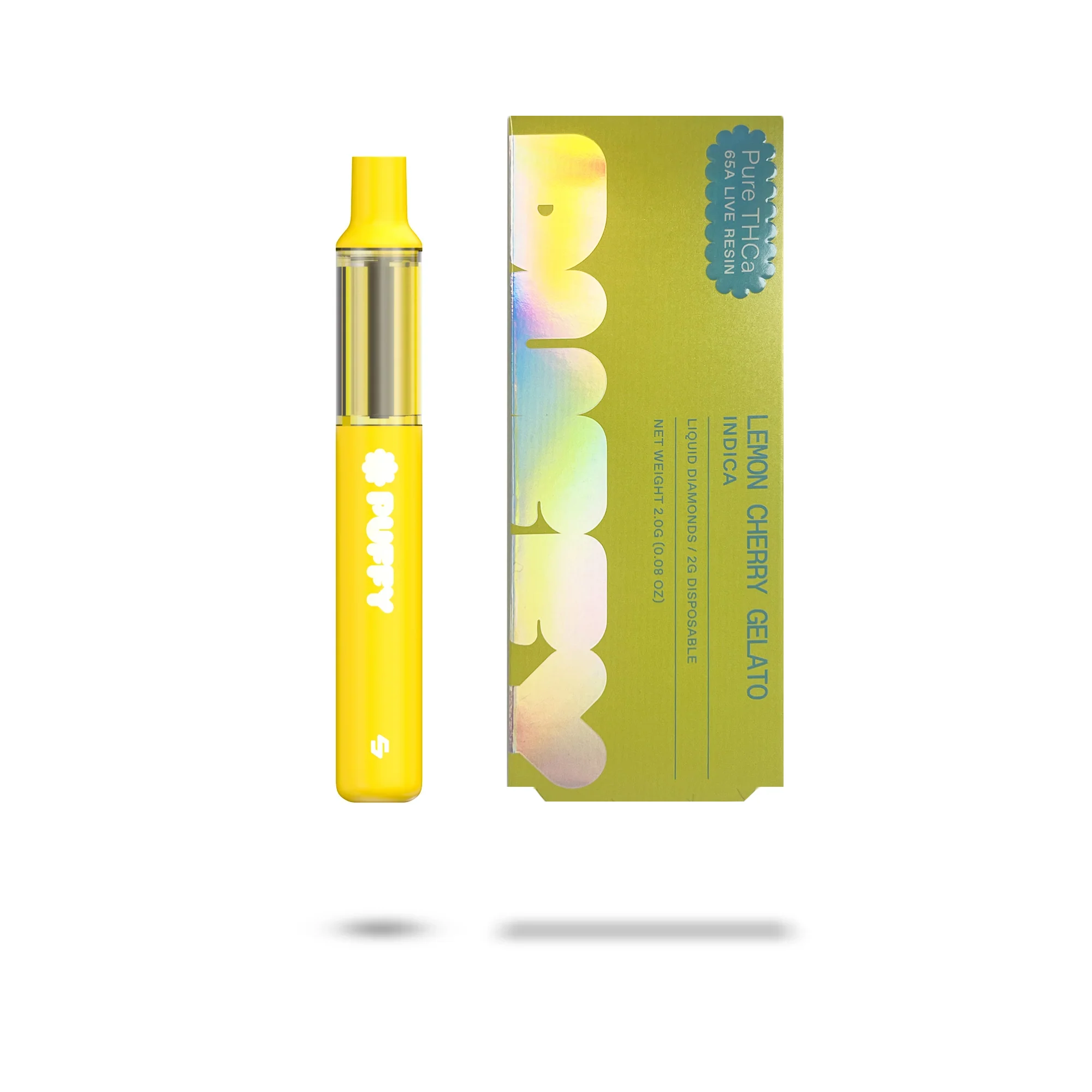
| Lemon Cherry Gelato THCA Live Resin Disposable VapePuffy | Indica-dominant THCa live resin with zesty citrus, sweet cherry, and a sharp gasoline note. Uplifting euphoria that transitions into deep full-body relaxation with a light tingling sensation. | Yes | $49.95 | Check price at Puffy (opens in new tab) |
Related topic
Explore the THC Vapes hub
Hemp THC vapes deliver faster onset than edibles and suit situational use better than a longer-lasting gummy session. This hub compares delta-8 cartridges, disposables, and beginner-friendly options with documentation standards front and center.
Open THC VapesProduct shortcut
Want products instead?
If you already know what format you want, jump straight into the matching product category.
Browse THC VapesBest for
Buyers deciding between inhaled and edible delta-9 formats who want to understand the practical differences before choosing.
If you need fast onset
Vapes. Nothing in the hemp edible category competes with the 5 to 15 minute onset of an inhaled product.
If you want a longer experience
Gummies. The 4 to 8 hour duration is a meaningful advantage for planned longer sessions.
How they compare
Onset and duration
This is the defining difference. If you want effects quickly that taper within a couple of hours, vapes are the format. If you want a longer experience with a planned start, gummies are the format.
Dose control
Gummies win on dose precision for most users. Vapes become reasonably predictable after you develop calibration with a specific device and oil, but the first few sessions carry more uncertainty.
Portability and discretion
Gummies are more discreet in virtually every context. Vapes require a device and produce vapor. If discretion is a priority, gummies have a clear advantage.
Situational use vs. planned sessions
Vapes are better for flexible situational use. Gummies require more planning but produce a longer, more sustained experience once effects arrive.
Why onset and duration are the primary decision factors
The chemical difference between a delta-9 vape and a delta-9 gummy is not the cannabinoid — it is the route of administration. Both deliver delta-9 THC. The differences in onset and duration come from how the body processes each format.
Inhaled delta-9 THC enters the bloodstream through the lungs and reaches the brain within minutes. Effects are fast and comparatively short because the absorption phase is rapid and the THC is metabolized and cleared on a relatively short timeline. Edible delta-9 THC is absorbed through the digestive system and processed by the liver, which converts some delta-9 to a more potent metabolite (11-hydroxy-THC). This process takes much longer but produces a more sustained effect. The experience from edibles is often described as hitting harder and lasting longer than an equivalent milligram inhaled, because of the metabolic conversion.
These differences are not subtle. A gummy taken at 7 PM may produce peak effects at 9 PM and taper through midnight. A vape draw taken at 7 PM produces effects by 7:15 PM and begins tapering by 9 PM. If the timing of effects in your schedule matters, this comparison resolves the format question before anything else.
Dose control comparison
Gummies have a significant advantage for users who value dose precision. Every piece has a labeled milligram count that can be verified against a COA. You take one piece and you know exactly how much delta-9 THC you consumed. This makes first-session calibration much more straightforward.
Vapes require you to build a personal calibration over multiple sessions. The same device in two people's hands produces different doses because of differences in draw technique. Even for the same user, draw duration and speed vary session to session. Most experienced vape users develop an intuitive sense of their dose with a given product, but this takes time and deliberate attention.
For beginners, gummies are almost always the more appropriate starting format specifically because of this dose control advantage. You can start at a known 2.5 or 5mg and adjust based on your response. With a vape, you are estimating. That estimation can work well once calibrated, but it is not the right approach for someone establishing a baseline for the first time.
Portability, discretion, and practical differences
Gummies win on discretion without contest. A gummy looks like a gummy, produces no vapor, no smell, and requires no equipment. You can carry gummies in any context and consume without anyone knowing what you are taking. For users who value privacy or use hemp THC in contexts where vapor production would be inappropriate, gummies are the clear choice.
Vapes are more portable than flower or concentrate setups, but they require a device and produce visible vapor with a detectable smell. Disposables are the most portable vape option — a single self-contained device fits in a pocket. Cartridges require bringing the battery as well. Neither is discreet in the same way gummies are.
One practical consideration: vapes require their hardware to function. A dead battery or a clogged cartridge renders the product usable. Gummies require no equipment and have essentially no failure mode beyond remembering to bring them.
Who each format suits best
Gummies are better suited for: new users building a baseline (precise dosing); users who want a long, sustained experience; users who prioritize discretion; users who plan their sessions in advance and can account for the onset window; anyone who finds vape hardware unfamiliar or inconvenient.
Vapes are better suited for: experienced users who have calibrated their dose; users who want fast onset for situational use; users who prefer shorter effect duration; anyone who specifically wants the inhaled consumption experience rather than edibles.
There is no wrong answer to format preference — both deliver delta-9 THC effectively in different contexts. The choice should reflect your actual use case, not what sounds more sophisticated or what is more popular. A well-calibrated gummy routine is entirely adequate for most adult hemp consumers.
Buyer checklist
- Decide whether fast onset or long duration is more important for your typical use case.
- Assess your comfort with imprecise dosing (vapes) versus fixed per-piece dosing (gummies).
- Consider your environment: vapes require a device and produce visible vapor; gummies are fully discreet.
- Apply COA standards to whichever format you choose — residual solvent testing for vapes, full cannabinoid panel and contaminant screening for both.
- Do not combine formats in the same session until you are very familiar with both individually.
Browse hemp delta-9 gummies
If gummies suit your use case, Amazon listings may include hemp-derived delta-9 options with testing information worth reviewing.
Elevated Guide may earn a commission on qualifying Amazon purchases. Always verify COAs, local laws, and shipping restrictions before purchasing. For adult use only where legal.
Sources and update notes
How this guide is maintained
Last reviewed: July 24, 2026
- This guide is reviewed periodically for product availability, cannabinoid terminology, claim restraint, and legal-awareness framing.
- Product prices, formulations, COAs, ingredients, and retailer policies can change after publication. Verify current details with the retailer before purchasing.
Frequently asked questions
Which is stronger — vapes or gummies?
Neither is inherently stronger. Potency depends on dose, not format. At comparable milligram-equivalent doses, many users find edibles produce a more intense experience because liver metabolism converts some delta-9 to 11-hydroxy-THC, which crosses the blood-brain barrier more readily. But this is a metabolism effect, not a potency effect of the format itself. A very high dose from a vape will be stronger than a very low dose from a gummy.
Which is better for beginners — vapes or gummies?
Gummies are generally better for beginners because they offer precise per-piece dosing. You know exactly how many milligrams of delta-9 THC you consumed, which makes calibration straightforward. Vapes require calibration experience to dose consistently. The main caveat for beginners with gummies is the delayed onset — waiting the full 90 minutes before taking more is critical.
Can I combine vapes and gummies in the same session?
Combining formats in the same session significantly increases the risk of consuming more than intended, especially because the different onset windows can create a situation where you think neither is working and take more of both — then everything arrives at once. Until you are very experienced with both formats individually and have a clear sense of your dose for each, combining them in the same session is a high-uncertainty approach.
Which lasts longer — vapes or gummies?
Gummies last significantly longer. Effects from inhaled delta-9 typically last 1 to 3 hours. Effects from delta-9 edibles typically last 4 to 8 hours. This is a consistent, predictable difference driven by the route of administration. If duration is a priority in either direction — wanting longer effects or wanting them to taper sooner — this difference should drive the format decision.