
Vapes guide
Best THC Disposable Vapes
A disposable vape is the simplest entry point to inhaled hemp THC. No battery to manage, no refilling. But convenience does not substitute for documentation.
Quick answer
A disposable vape is a self-contained device: battery, coil, and oil in one unit. When the oil runs out or the battery dies, the entire device is discarded. No maintenance or accessories required.
Ceramic or quartz coils are preferred over metal-wick coils in any vape device, including disposables. Check the product description or brand specifications before purchasing.
Per-puff dosing with a disposable is harder to calibrate than measured edibles. Start with a single short draw and wait 10 to 15 minutes before taking more.
Key takeaways
- The convenience of disposables makes them accessible, but the same COA requirements apply as for any vape — including residual solvent testing.
- Disposable devices are more convenient but generate more waste and have higher per-use cost than cartridge-and-battery setups for regular users.
- When a disposable runs out of oil, the device is done regardless of remaining battery. This is a hardware limitation, not a product defect.
Products worth comparing
Products to consider
These products match the topic covered above. Always verify current pricing and availability before purchasing.
| Product image | Product | Best For | Strength | Lab Tested | Price | Shop |
|---|---|---|---|---|---|---|
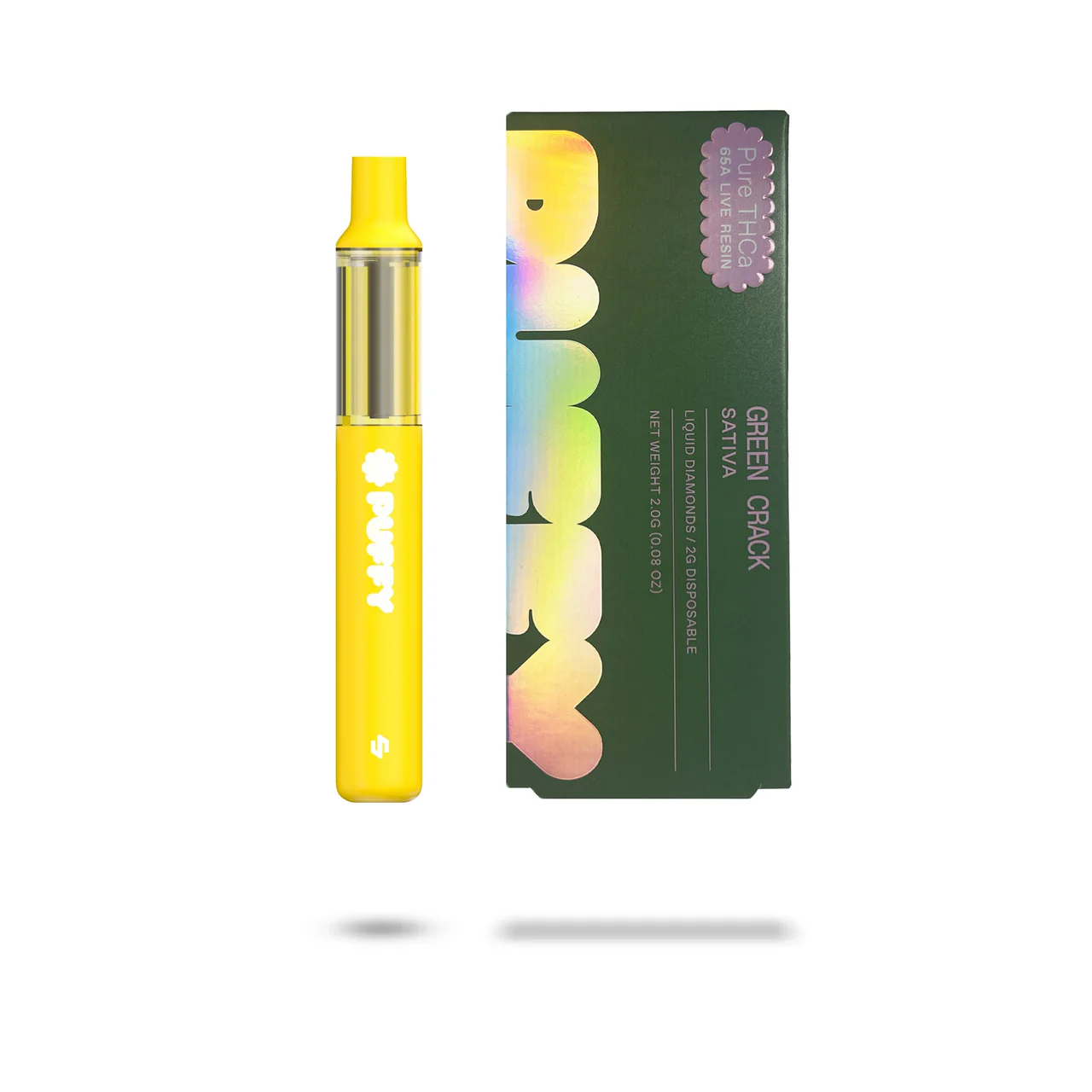
| Green Crack THCA Live Resin Disposable VapePuffy | Sativa-positioned THCA live resin disposable for shoppers comparing citrus-forward flavor, fast onset, and daytime-leaning vape formats. | N/A | Yes | $49.95 | Check price at Puffy (opens in new tab) | |
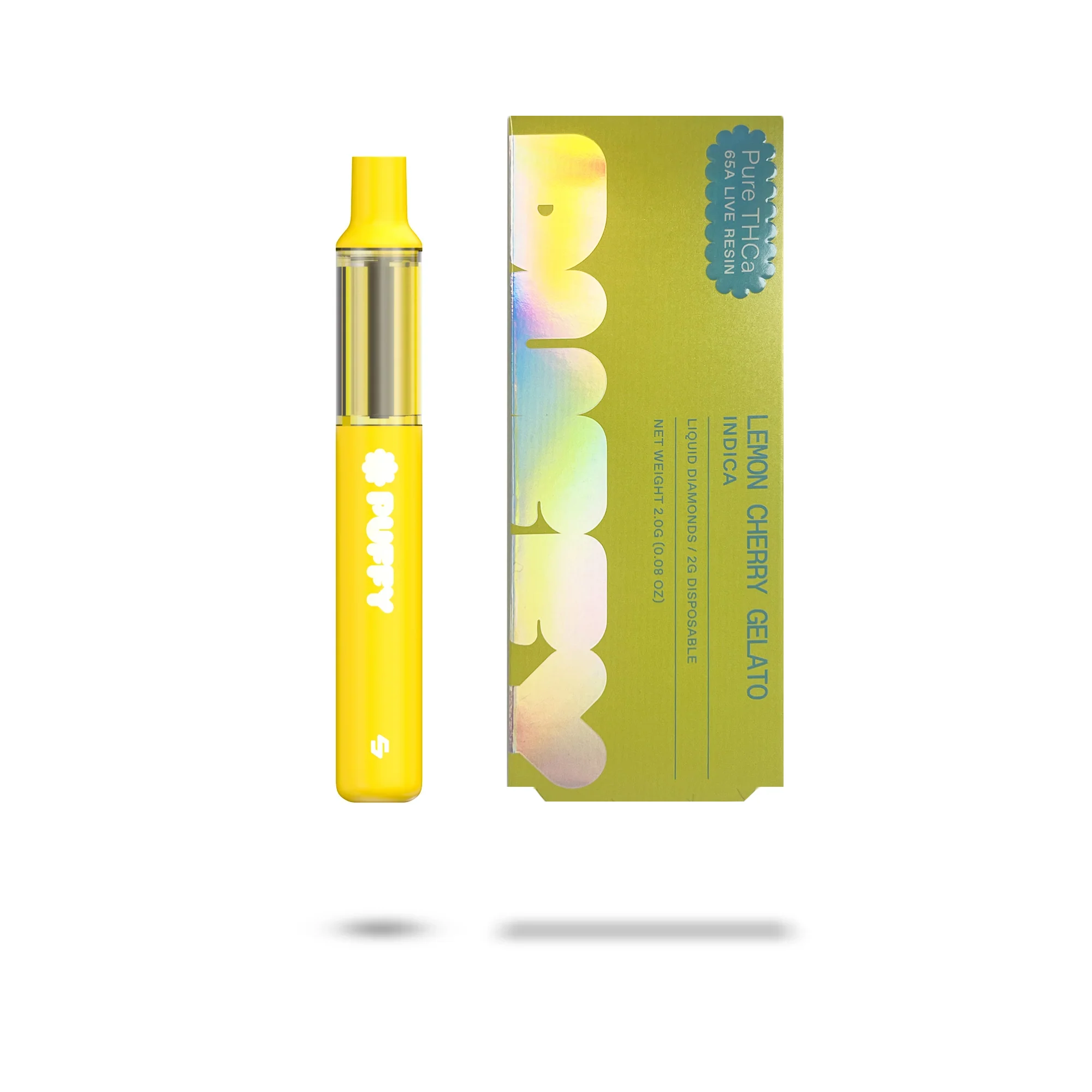
| Lemon Cherry Gelato THCA Live Resin Disposable VapePuffy | Indica-dominant THCa live resin with zesty citrus, sweet cherry, and a sharp gasoline note. Uplifting euphoria that transitions into deep full-body relaxation with a light tingling sensation. | N/A | Yes | $49.95 | Check price at Puffy (opens in new tab) | |
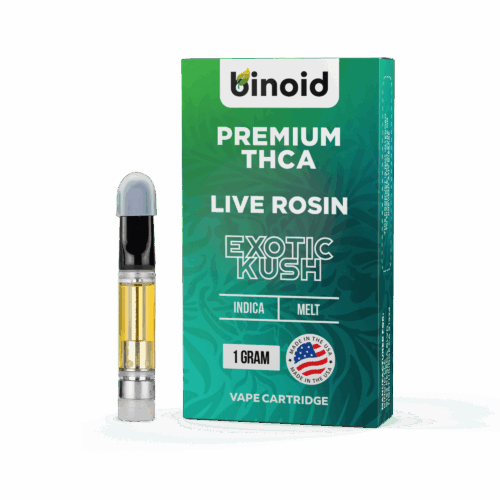
| THCA Vape Cartridge – Live RosinBinoid | THCA vape cartridge built on 99% THCA distillate paired with live rosin terpenes. A strong pick for shoppers comparing high-purity 1-gram cartridges across six available strain flavors. | 99% THCA Distillate | Yes | $30.99 | Check price at Binoid (opens in new tab) |
Related topic
Explore the THC Vapes hub
Hemp THC vapes deliver faster onset than edibles and suit situational use better than a longer-lasting gummy session. This hub compares delta-8 cartridges, disposables, and beginner-friendly options with documentation standards front and center.
Open THC VapesProduct shortcut
Want products instead?
If you already know what format you want, jump straight into the matching product category.
Browse THC VapesBest for
First-time vape users who want to try inhaled hemp THC without buying a battery, and occasional users who do not vape frequently enough to maintain cartridge setups.
Documentation note
Many disposable brands focus on convenience marketing and are less rigorous about publishing COAs. Do not skip the documentation check because the format is convenient.
Calibration challenge
Disposables make it easy to take multiple quick draws. The onset for inhaled products is 5 to 15 minutes — wait before stacking draws.
How disposable vapes work and why they are convenient
A disposable vape is a fully integrated device: a battery, a heating coil, and an oil reservoir in a single sealed unit. Nothing needs to be charged before use (some higher-capacity devices include a USB charging port, but most are use-until-empty and discard). Nothing needs to be refilled. The device is draw-activated — you inhale and it produces vapor without pressing any button.
The appeal for beginners and occasional users is straightforward: there is no learning curve to the hardware. You do not need to understand battery voltages, coil resistance, or 510-thread compatibility. You take the device out of the packaging and use it. This is a legitimate advantage over the cartridge-and-battery setup, which requires at least some hardware literacy.
The practical limitation of disposables is that the device quality (battery life, coil material, airflow design) is fixed by the manufacturer. With a cartridge setup, you can upgrade the battery while reusing the same oil. With a disposable, you get whatever the manufacturer built. This makes brand and hardware selection more critical — you cannot compensate for a poor device with a better battery.
Evaluating hardware quality in disposable vapes
Coil material is the most important hardware specification to check. Ceramic coils heat oil evenly, do not react chemically with cannabinoids, and produce cleaner vapor than metal-wick alternatives. Quartz coils are also a quality option. Metal-wick coils (cotton or wick wrapped around resistance wire) are found in lower-quality devices and can produce off-flavors and potentially leach metals into the vapor at high temperatures.
Airflow design affects draw resistance. Tighter airflow (more restrictive draw) mimics the feel of smoking and is what most hemp vape users find natural. Airy, loose draw designs more typical of nicotine vaping may feel unfamiliar to non-vapers. This is a preference issue, but product descriptions and reviews that mention airflow character are useful data points.
Battery capacity in a disposable is measured in milliamp-hours (mAh). Higher mAh means the battery lasts longer relative to the oil capacity. A mismatch between battery life and oil quantity is a known issue in some disposables — the battery dies while oil remains. Quality disposables are engineered so the battery and oil run out at roughly the same time. User reviews that mention battery dying early are a specific signal to look for.
Oil quality and documentation standards
The oil in a disposable vape should meet the same documentation standard as any other vape product: a COA with cannabinoid content verification AND residual solvent screening. Cutting agent testing (specifically vitamin E acetate) should be confirmed. Heavy metal screening is an additional quality indicator.
Many disposable brands emphasize convenience in their marketing and are less rigorous about making COAs easily accessible. This is a warning sign, not a reason to excuse the documentation gap. If you cannot find a current, independent COA for a specific disposable product, choose a different product. The convenience of the format does not change the need to know what is in the oil you are inhaling.
Distillate-based oils are the most common in disposables. Full-spectrum or broad-spectrum oils (containing terpenes and a wider cannabinoid profile) are less common but represent a step up in complexity and, often, experience quality. Terpene-infused distillates (pure distillate with terpenes added back) are a middle tier that improves flavor without the full complexity of a live resin or whole-plant extract. Check the product description to understand what type of oil you are buying.
Dosing and calibration with a disposable vape
Dosing with a disposable requires the same calibration process as any other vape, and the same inherent imprecision. Per-device milligram content is listed on most products, but per-puff delivery varies based on draw duration and individual inhalation technique. No two users will get the exact same dose per draw from the same device.
The starting approach: one short draw (2 to 3 seconds), wait 10 to 15 minutes. If effects are less than you wanted, take another short draw and wait again. Do not chain draws in the first session — the temptation with a convenient, draw-activated device is to take several quick draws without pause. The onset window is real even for inhaled products.
Over two or three sessions with the same device, you will establish a working sense of your dose. This calibration is specific to the device and oil combination. Switching to a different disposable — even the same brand and cannabinoid type — may require recalibration because oil viscosity, coil output, and airflow differ between products.
Buyer checklist
- Confirm the COA includes residual solvent screening, not just cannabinoid content.
- Check coil material: ceramic or quartz preferred over metal-wick.
- Look for the milligrams of delta-9 or delta-8 THC per device to estimate approximate dose per puff.
- Confirm your state permits the specific THC type in the disposable (delta-8 has more state restrictions).
- Start with one short draw; wait 10 to 15 minutes before assessing.
Browse hemp THC disposable vapes
If you shop Amazon for hemp THC disposable vapes, look for COAs that include residual solvent testing and clear hardware specifications.
Elevated Guide may earn a commission on qualifying Amazon purchases. Always verify COAs, local laws, and shipping restrictions before purchasing. For adult use only where legal.
Sources and update notes
How this guide is maintained
Last reviewed: July 24, 2026
- This guide is reviewed periodically for product availability, cannabinoid terminology, claim restraint, and legal-awareness framing.
- Product prices, formulations, COAs, ingredients, and retailer policies can change after publication. Verify current details with the retailer before purchasing.
- For THCA, Delta-8, Delta-9, and other hemp-derived THC products, state law and total THC rules may affect whether a product is available or appropriate to buy.
Frequently asked questions
How long does a disposable THC vape last?
Most disposables are rated by draw count — commonly 150 to 600+ draws depending on device size. The number of sessions depends on how many draws constitute your dose. A device rated at 300 draws that you use 5 draws per session lasts 60 sessions. Battery life and oil quantity should be matched by the manufacturer; devices that run out of battery with oil remaining is a known quality issue in some brands.
Are disposable vapes worse quality than cartridges?
Not necessarily. Disposable format does not inherently mean lower quality — some premium brands produce high-quality disposable devices with ceramic coils and well-sourced oil. The quality range in disposables is wide. What matters is the brand's commitment to documentation and hardware specifications, not the format itself. Apply the same COA evaluation standards to a disposable as you would to any vape cartridge.
How do I dose with a disposable vape?
Start with a single short draw (2 to 3 seconds), then wait 10 to 15 minutes to assess effects before taking more. Do not take multiple draws in quick succession during your first session — onset for inhaled products takes 5 to 15 minutes, and stacking draws before effects develop leads to consuming more than intended. Over a few sessions, you will develop a personal reference for this specific device and oil.
What happens when the oil runs out in a disposable?
When the oil is fully consumed, the device will produce little to no vapor or a burnt taste. At that point, the disposable is finished and should be discarded. Some devices run out of battery before oil — this is a hardware design issue and a sign of a lower-quality device. Properly engineered disposables balance battery capacity and oil volume so both run out at roughly the same time. Dry or burnt draws before oil runs out also indicate the coil is burning dry — this is the disposable telling you it is done.