
Vapes guide
Best THC Vapes for Beginners
For a first vape, simpler is better. A draw-activated disposable or a basic cartridge with a variable-voltage battery beats anything complex. Here is what to look for.
Quick answer
The most beginner-appropriate vape setup is either a quality disposable or a basic 510-thread cartridge with a simple variable-voltage battery. Draw-activated devices (no button) are easier for new users than button-activated ones.
Start with the smallest possible draw — 2 to 3 seconds — and wait 10 to 15 minutes before taking more. The onset for inhaled products is not instantaneous, and stacking draws before effects develop is the primary beginner mistake.
The same COA requirements apply: cannabinoid panel plus residual solvent screening. A beginner-friendly presentation does not mean documentation standards are lower.
Key takeaways
- Draw-activated devices are simpler to use than button-activated devices. Fewer variables means fewer chances to accidentally overconsume.
- Delta-8 vapes may be more appropriate than full delta-9 for beginners who want to start milder. Both require the same documentation standards.
- Building your dose calibration takes several sessions. Accept imprecision early on and err toward less rather than more.
Products worth comparing
Products to consider
These products match the topic covered above. Always verify current pricing and availability before purchasing.
| Product image | Product | Best For | Strength | Lab Tested | Price | Shop |
|---|---|---|---|---|---|---|
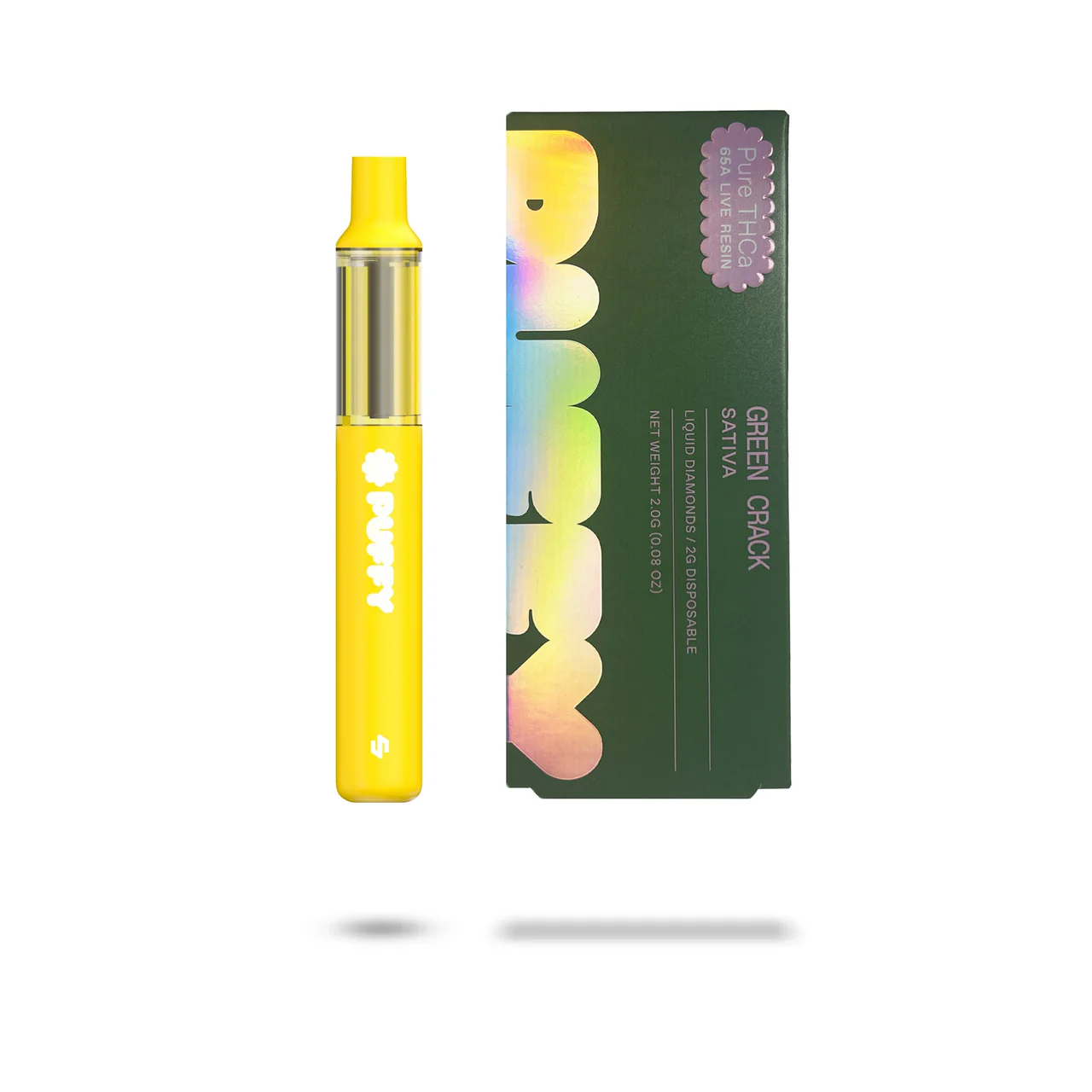
| Green Crack THCA Live Resin Disposable VapePuffy | Sativa-positioned THCA live resin disposable for shoppers comparing citrus-forward flavor, fast onset, and daytime-leaning vape formats. | N/A | Yes | $49.95 | Check price at Puffy (opens in new tab) | |
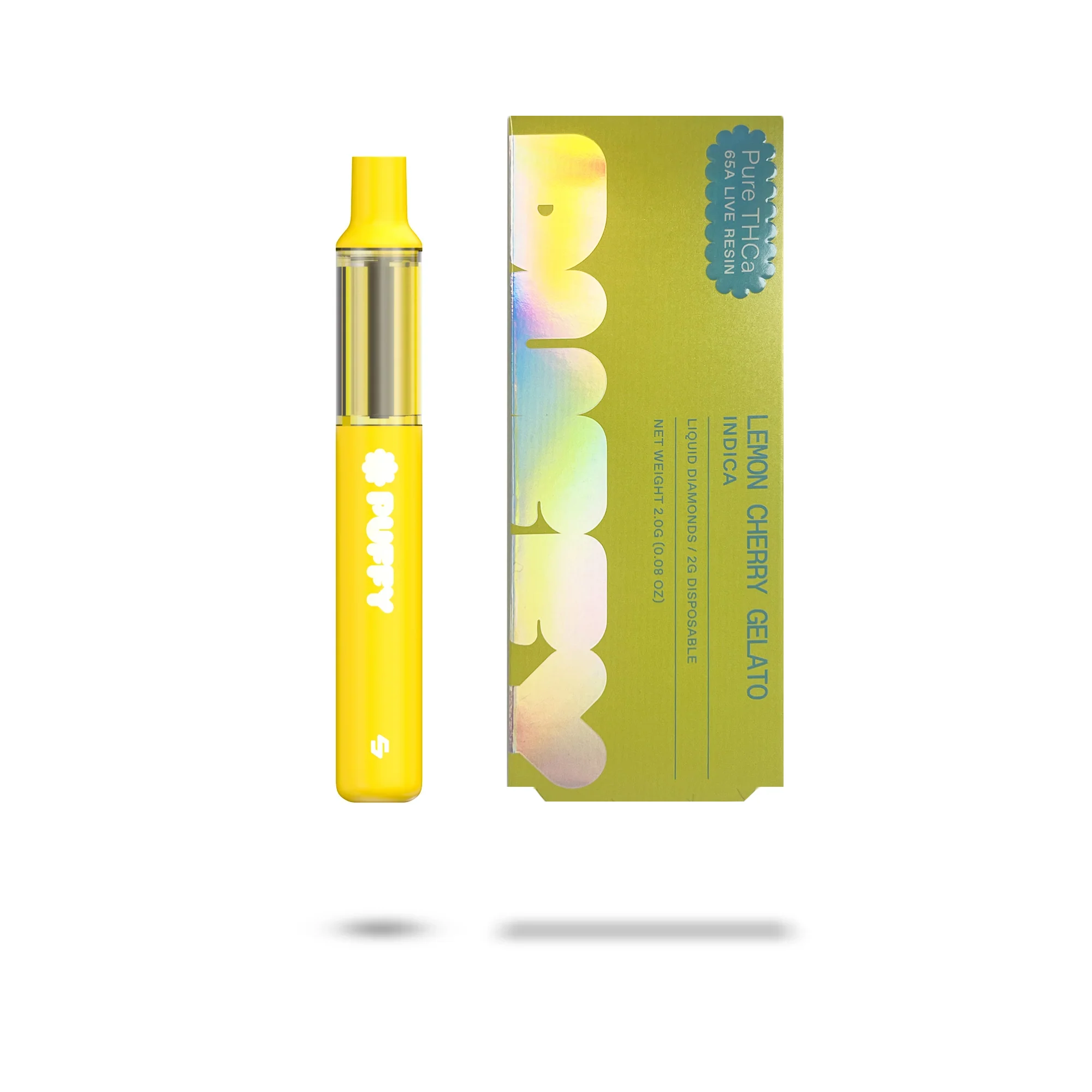
| Lemon Cherry Gelato THCA Live Resin Disposable VapePuffy | Indica-dominant THCa live resin with zesty citrus, sweet cherry, and a sharp gasoline note. Uplifting euphoria that transitions into deep full-body relaxation with a light tingling sensation. | N/A | Yes | $49.95 | Check price at Puffy (opens in new tab) | |
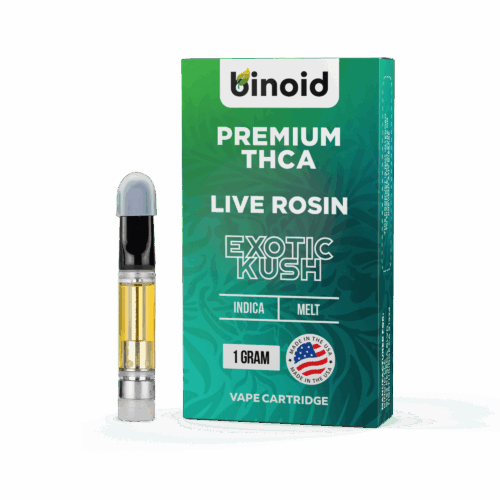
| THCA Vape Cartridge – Live RosinBinoid | THCA vape cartridge built on 99% THCA distillate paired with live rosin terpenes. A strong pick for shoppers comparing high-purity 1-gram cartridges across six available strain flavors. | 99% THCA Distillate | Yes | $30.99 | Check price at Binoid (opens in new tab) |
Related topic
Explore the THC Vapes hub
Hemp THC vapes deliver faster onset than edibles and suit situational use better than a longer-lasting gummy session. This hub compares delta-8 cartridges, disposables, and beginner-friendly options with documentation standards front and center.
Open THC VapesProduct shortcut
Want products instead?
If you already know what format you want, jump straight into the matching product category.
Browse THC VapesBest for
Adults new to vaping hemp THC who want guidance on hardware selection and a safe dosing approach for their first session.
Simplicity first
Avoid multi-mode devices, adjustable airflow, and complex setups for a first purchase. A quality simple device teaches the fundamentals without added variables.
Consider delta-8 first
Delta-8's lower potency gives more room for calibration error than full delta-9. For a very first vape experience, starting with delta-8 is a reasonable choice.
What makes a vape beginner-appropriate
A beginner-appropriate vape has three qualities: it is simple to operate, it delivers a modest amount per draw, and it has verifiable documentation. Complexity is the enemy for a first vape experience. A device with multiple voltage settings, button sequences, and adjustable airflow requires learning the hardware at the same time you are learning your dose response — too many variables at once.
Draw-activated devices (sometimes called auto-draw) activate when you inhale. There is no button to hold, no timing sequence, no wattage setting. You put the device to your lips and draw. This is the simplest possible vape interface and the right starting point for a new user. Many disposable devices and some cartridges operate on this principle.
Lower output devices (lower battery voltage or wattage) generally deliver smaller doses per draw, which is an advantage for beginners calibrating their response. Some variable-voltage batteries have a beginner-friendly setting at the lower end of their range. Starting at lower output and moving up if needed is better than the reverse.
Hardware recommendations for first-time vape users
Option one: a quality draw-activated disposable with ceramic coils and a published COA. Brands that provide full documentation including residual solvent testing, specify ceramic coils, and have consistent user reviews around device quality are the ones worth buying. This option requires no additional equipment and works immediately out of packaging.
Option two: a basic 510-thread cartridge from a well-documented brand, paired with a simple variable-voltage battery. The battery should have at least two voltage settings — a lower setting (around 2.4–2.8V) for beginners and a higher one for when you want more output. This setup costs more upfront but costs less per session for regular users once you are past the initial purchase.
What to avoid as a beginner: full sub-ohm vape mods (designed for high-volume vapor production, not oil cartridges), multi-function devices with many settings to manage, and any device where the hardware specifications are not transparent. The goal is to remove variables, not add them.
Dosing approach for new vape users
The first session with any new vape is purely calibration. Your goal is not to achieve a specific effect level — it is to establish what a small amount feels like for your body and metabolism. Everything builds from that data.
Start with a single draw of 2 to 3 seconds. Put the device down. Wait 10 to 15 minutes. Assess what you feel. If effects are minimal, take another single draw and wait again. The natural temptation with a vape is to take several draws in quick succession — the device is in your hand, it is easy to use, and the effects are not immediate. Resist this. The 10 to 15 minute window is real.
After two or three sessions, you will have a working sense of your calibration for this specific device. "Two short draws" becomes a known reference point. This calibration is specific to the device, oil type, and your technique — switching products requires starting the calibration process again, though it becomes faster with experience.
Documentation requirements for beginner vapes
Being new to vaping does not lower the documentation bar. A beginner-marketed vape product with no COA is not a safe starting point — it is an unknown. The same standards apply regardless of how the product is positioned.
The minimum COA requirements for any vape product: cannabinoid potency panel confirming the labeled delta-8 or delta-9 THC content; residual solvent screening (the most critical element for inhaled products); and ideally heavy metals screening. The COA should be from an accredited independent lab with no financial relationship to the brand.
Brands that make documentation easy to find — QR code on packaging, clear lab results page on their website, accessible by product batch — are demonstrating the transparency that corresponds to quality elsewhere in their operation. Brands that obscure or make documentation hard to find are, in the hemp market, often hiding something worth knowing.
Buyer checklist
- Choose draw-activated over button-activated for simplicity.
- Confirm ceramic coil hardware.
- Verify a COA with residual solvent screening is accessible for the product.
- Consider starting with delta-8 rather than delta-9 for a milder first experience.
- Plan your first session for a time when you can be in a comfortable, familiar space with no obligations.
Browse hemp THC vapes for beginners
If you shop Amazon for hemp THC disposable vapes or cartridges, look for ceramic coils and COAs with residual solvent testing.
Elevated Guide may earn a commission on qualifying Amazon purchases. Always verify COAs, local laws, and shipping restrictions before purchasing. For adult use only where legal.
Sources and update notes
How this guide is maintained
Last reviewed: July 24, 2026
- This guide is reviewed periodically for product availability, cannabinoid terminology, claim restraint, and legal-awareness framing.
- Product prices, formulations, COAs, ingredients, and retailer policies can change after publication. Verify current details with the retailer before purchasing.
- For THCA, Delta-8, Delta-9, and other hemp-derived THC products, state law and total THC rules may affect whether a product is available or appropriate to buy.
Frequently asked questions
Is vaping THC safe for beginners?
Inhalation of any vaporized substance carries some risk compared to non-inhalation routes. The most important safety steps for beginners: use products with comprehensive third-party testing including residual solvent screening; use hardware with ceramic coils; avoid products with cutting agents; start with a very small amount and calibrate carefully. No vape product is risk-free, but documentation and hardware quality are the primary controllable variables.
What device should I start with as a beginner?
A draw-activated disposable vape with ceramic coils and a published COA including residual solvent testing is the simplest, most accessible starting point. If you prefer a reusable setup, a basic 510-thread cartridge from a well-documented brand with a simple variable-voltage battery (two or three settings) is a good second option. Avoid complex multi-function devices until you have established your baseline.
How do I dose as a beginner vape user?
Take a single short draw (2 to 3 seconds), put the device down, and wait 10 to 15 minutes to assess effects before taking more. Do not take multiple draws in quick succession before effects develop. Your first session is calibration — the goal is to feel how a small amount affects you, not to achieve a target experience level. Build from there across subsequent sessions.
Should I start with a cartridge or a disposable as my first vape?
For a first vape purchase, a disposable is simpler — no battery to buy or manage, draw-activated, and ready to use immediately. The downside is higher per-use cost for regular use. If you plan to vape occasionally rather than regularly, a disposable is a reasonable choice. If you find you use it regularly and want better cost efficiency, switching to a cartridge-and-battery setup makes sense after your initial experience.