
Thca guide
What to Do Before the November 12 Hemp Deadline: A THCA and Hemp Buyer's Guide
On November 12, 2026, H.R. 5371 is expected to change the federal hemp definition in a way that affects THCA flower, vapes, concentrates, gummies, tinctures, and drinks. This guide focuses on the practical buying questions adults 21+ are asking before the deadline.
Quick answer
As of July 2026, the November 12, 2026 deadline is expected to take effect as written. H.R. 5371 replaces the old delta-9-only hemp test with a total THC standard and adds a 0.4mg total THC cap for finished hemp products.
For THCA flower, pre-rolls, vapes, and concentrates, the total THC formula means meaningful THCA content will count toward the federal THC limit. For gummies, tinctures, and drinks, the new 0.4mg per-container cap is far below today's common hemp-derived THC servings.
Before buying, adults 21+ should read current COAs, check state law, avoid panic-buying in restricted states, and understand that existing personal stockpiles are not clearly addressed by the law.
Key takeaways
- The new federal test is Total THC = delta-9 THC + (THCA x 0.877), which makes high-THCA hemp flower very difficult to keep federally compliant.
- Finished hemp products face a separate 0.4mg total THC per-container cap, effectively ending today's hemp delta-9 gummy market at current potencies if the law takes effect as written.
- State law still matters before November 12 and after it. Some states already restrict THCA, delta-8, or hemp-derived THC products regardless of federal hemp status.
- The stockpile question is unsettled. The statute does not clearly explain how existing personal possession will be treated, so avoid assuming certainty either way.
Products worth comparing
Products to consider
These products match the topic covered above. Always verify current pricing and availability before purchasing.
| Product image | Product | Best For | Lab Tested | Price | Shop |
|---|---|---|---|---|---|
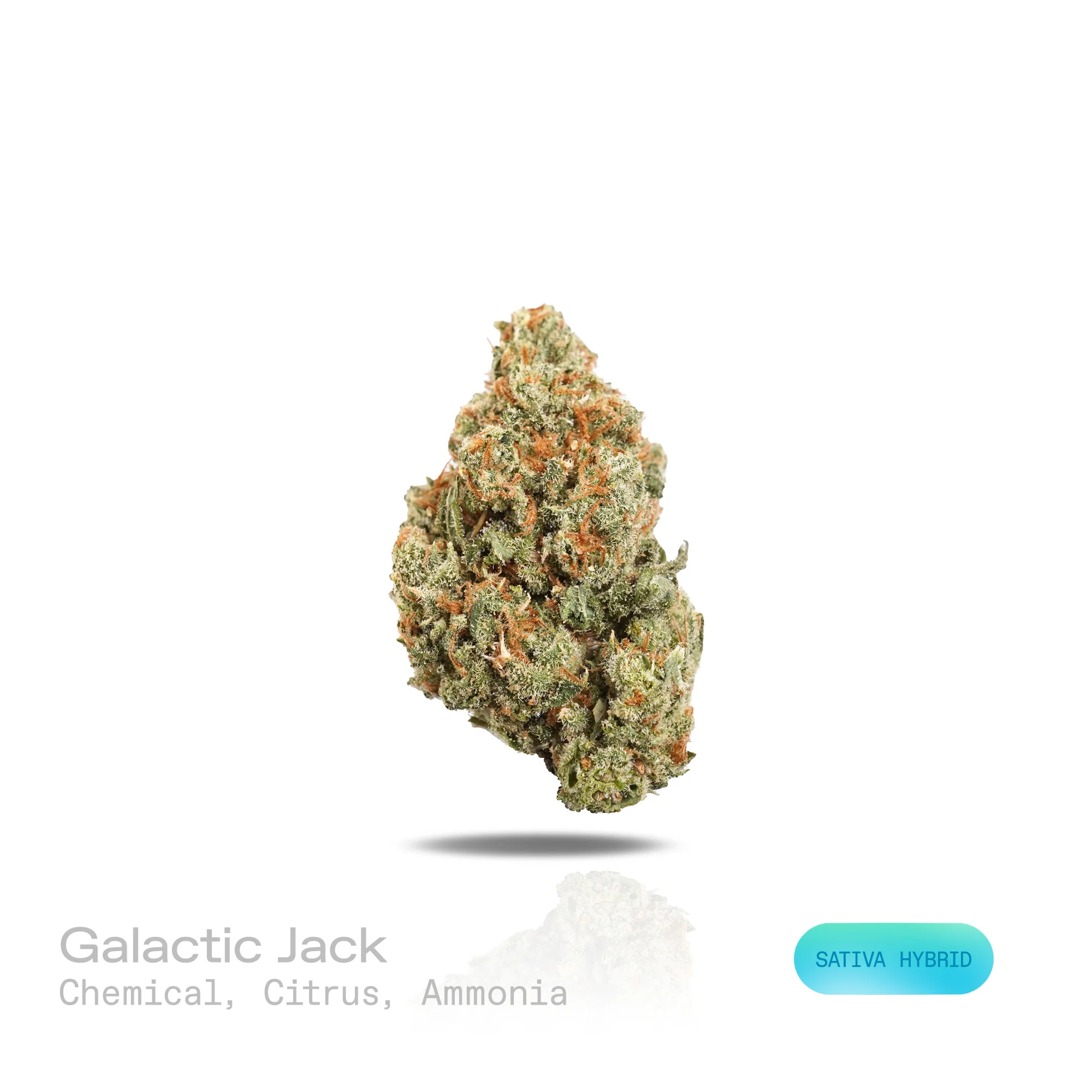
| Galactic Jack THCa FlowerPuffy | Sativa-dominant hybrid from Jack Herer and Space Queen lineage. A better fit for shoppers comparing daytime-leaning flower with citrus-forward strain context. | Yes | $99.95 | Check price at Puffy (opens in new tab) |
Related topic
Explore the THCA Guides hub
THCA is the raw precursor to delta-9 THC found in hemp flower. These guides cover flower types, diamond concentrates, how conversion works, legality by state, and how THCA compares to other cannabinoids.
Open THCA GuidesProduct shortcut
Want products instead?
If you already know what format you want, jump straight into the matching product category.
Browse THCA FlowerWho this is for
Adults 21+ who already understand the basics of THCA or hemp-derived THC and want a practical pre-deadline planning guide.
Most important date
November 12, 2026 is the effective date currently attached to the H.R. 5371 hemp provisions.
Main buyer risk
A product that is federally compliant hemp under current law may not fit the narrowed federal hemp definition after the deadline.
How they compare
THCA flower, vapes, and concentrates
This is the highest-impact category for THCA buyers because the legal pathway depends on ignoring most THCA under the current delta-9-only test.
Gummies, tinctures, and drinks
Edible buyers are dealing with a dosing cap rather than the THCA conversion problem, but the result is similarly disruptive for today's market.
The November 12 deadline matters now
H.R. 5371 is scheduled to take effect on November 12, 2026. If it takes effect as written, it changes the federal definition of hemp in a way that reaches far beyond one niche product category. THCA flower, THCA pre-rolls, THCA vapes, THCA concentrates, hemp delta-9 gummies, tinctures, and drinks all face a different federal test than the one today's market was built around.
This page is the practical companion to our H.R. 5371 legal explainer. That article covers the legal mechanics in more detail. This one answers the buyer question: if you are an adult 21+ who currently buys hemp-derived THC products, what is worth checking before the deadline arrives?
What is actually changing
Under the current federal hemp framework, the key threshold has generally been delta-9 THC: hemp is cannabis with no more than 0.3% delta-9 THC by dry weight. That is the opening THCA products used. A flower could test below 0.3% delta-9 THC while containing 18%, 22%, or 28% THCA. Once smoked or vaped, that THCA converts into delta-9 THC, but the raw pre-harvest or product test still focused on delta-9.
H.R. 5371 changes that by using a total THC standard: Total THC = delta-9 THC + (THCA x 0.877). The 0.877 factor accounts for the weight lost when THCA decarboxylates into THC. In plain English, most of the THCA number on the lab report now counts toward the THC number that matters.
A concrete example helps. Say a flower COA shows 0.22% delta-9 THC and 24% THCA. Under the current delta-9-only approach, that product may appear to fit the federal hemp definition because 0.22% is under 0.3%. Under the new formula, the total THC estimate is 0.22 + (24 x 0.877), or roughly 21.27% total THC. That is not close to the hemp threshold. It is effectively high-THC cannabis under the new federal math.
Finished hemp products get hit from a different direction. Gummies, tinctures, drinks, and similar products are capped at 0.4mg total THC per container. Not per serving. Per container. A bottle of gummies containing ten 10mg pieces has 100mg total THC today. Under the coming standard, that container would be far above the 0.4mg limit. Even a single 5mg hemp delta-9 gummy would exceed the new cap by more than ten times.
If you buy THCA flower, vapes, or concentrates
For THCA flower buyers, the deadline is not just a paperwork change. The current market depends on flower testing under the federal delta-9 limit while carrying meaningful THCA potency. Once THCA is converted into total THC on the lab math, most products that adult buyers recognize as THCA flower will no longer fit the federal hemp definition.
The same logic applies to pre-rolls, vape products, diamonds, wax, badder, and other concentrates built around THCA content. These formats may differ in use, potency, and COA details, but the legal pressure point is the same: meaningful THCA content counts toward total THC. A concentrate that is 80% THCA is not going to become compliant because its raw delta-9 number is low.
If you are comparing products before November 12, read the COA with the future formula in mind. Look for the batch number, test date, delta-9 THC, THCA, and any listed total THC field. Some labs already report total THC; others require doing the math yourself. Also look for contaminant panels, especially for vape and concentrate products: residual solvents, pesticides, heavy metals, and microbial testing are not optional details in a responsible buying decision.
For current product research, our best THCA flower guide and where to buy THCA flower legally page focus on COA access, shipping limitations, and state-law checks. Those pages are useful now, but the federal context behind them is expected to change after November 12.
If you buy gummies, tinctures, or drinks
Gummy and tincture buyers are in a different situation. The issue is not usually THCA conversion. It is the finished-product cap: 0.4mg total THC per container. Today's hemp-derived delta-9 gummy market typically sells products in the 5mg to 25mg range per serving, with containers holding multiple servings. Some stronger products go far beyond that.
If the law takes effect as written, those products do not simply need smaller labels. The potency model changes. A 20-count jar of 10mg gummies is a 200mg total THC container. A 30ml tincture with 300mg total THC is also far above the cap. A 2mg microdose beverage still exceeds 0.4mg if that is the full container. The practical result is that the current hemp delta-9 edible market cannot continue at today's common dosing under the federal hemp definition.
Before purchasing, check whether the COA lists total THC per serving and per container. If the label only highlights "hemp-derived" or "Farm Bill compliant" without a clear cannabinoid panel, that is a weak signal. Adults 21+ who use edibles should also think in milligrams, not slogans. The gummies hub and our THC dosage calculator can help put serving sizes into context, but they do not answer whether a product will remain lawful after the federal definition changes.
What to consider before buying
Start with state law. Federal hemp status is only one layer. Some states already restrict or ban THCA flower, delta-8, synthetic or converted cannabinoids, smokable hemp, or intoxicating hemp products more broadly. If your state already restricts the product, the November deadline does not create a safe pre-deadline window. Our THCA legality by state guide is the best place to begin, but state rules can change quickly and local counsel is the higher-confidence source for legal risk.
Next, read the COA like a compliance document, not a marketing badge. Confirm that the lab report matches the product batch. Check when it was tested. Look at delta-9 THC and THCA separately. For THCA products, calculate total THC using delta-9 + (THCA x 0.877). For finished products, look at total THC in the whole container. If a seller makes it hard to find these numbers, that is information in itself.
Also separate "stock up" from "stockpile indefinitely." Buying more than usual before a market change may be something some adults consider, but it is not the same as removing legal uncertainty. Hemp flower degrades. THCA slowly converts over time. Gummies and tinctures have expiration dates. Storage conditions matter. Travel across state lines adds another layer of risk. Possession after the deadline may be interpreted differently than purchase before the deadline, and the statute does not spell out every consumer scenario.
The least useful response is panic-buying. That is especially true in states where the product is already restricted or where enforcement has focused on retailers and shipping. Buying quickly is not the same as buying carefully. COAs, state legality, dosage, and product quality still matter before the deadline.
What about products you already own?
This is the question many readers want answered most directly, and the honest answer is that current law does not give a clean consumer-facing script for every scenario. H.R. 5371 narrows what counts as federally lawful hemp going forward. It does not, in the plain facts we have reviewed, explicitly lay out a simple safe harbor for personal consumer stockpiles purchased before November 12.
That uncertainty matters because products that fall outside the federal hemp definition may move back toward treatment under the Controlled Substances Act. That does not automatically tell you how every federal, state, or local enforcement agency will treat an individual adult possessing a small amount previously purchased as hemp. It also does not mean consumers should assume existing stock is protected indefinitely.
The cautious read is this: do not treat a receipt dated before November 12 as a universal shield. Do not travel with products into states where they are restricted. Do not resell, share commercially, or otherwise treat old stock as a workaround. If you have employment, probation, custody, immigration, housing, or licensing concerns, get legal advice from someone qualified in your state rather than relying on a hemp website summary.
What happens next
As of the site's last research in April 2026, efforts to delay or repeal these hemp provisions appeared stalled. As of July 2026, we are treating the November 12 deadline as the expected effective date unless Congress, regulators, or courts change the picture. That could still happen, but buyers should not plan around a hoped-for delay.
After November 12, we will update this page with what actually happened: how retailers respond, whether product pages disappear, whether COA language changes, whether enforcement guidance emerges, and whether any state or federal developments clarify the possession question. Until then, the practical path is measured: verify the law where you live, read the lab report, understand which category you are buying, and avoid turning uncertainty into urgency marketing.
This article is educational content, not legal advice; verify current law in your state before purchasing hemp-derived THC products.
Buyer checklist
- Confirm your state does not already restrict the product category before placing an order.
- Read the COA for delta-9 THC, THCA, total THC, test date, batch match, lab name, and contaminant testing.
- For THCA flower, estimate total THC using delta-9 THC + (THCA x 0.877), not delta-9 THC alone.
- For gummies, tinctures, and drinks, compare the total THC per container against the coming 0.4mg cap, not just per-serving marketing language.
- Do not treat stocking up as indefinite legal insulation. Storage, freshness, state law, travel, and future possession interpretation all matter.
- Avoid panic-buying anything in a state where THCA, delta-8, or intoxicating hemp products are already restricted.
Sources and update notes
How this guide is maintained
Last reviewed: July 24, 2026
- This guide is reviewed periodically for product availability, cannabinoid terminology, claim restraint, and legal-awareness framing.
- Product prices, formulations, COAs, ingredients, and retailer policies can change after publication. Verify current details with the retailer before purchasing.
- For THCA, Delta-8, Delta-9, and other hemp-derived THC products, state law and total THC rules may affect whether a product is available or appropriate to buy.
Frequently asked questions
Does H.R. 5371 ban THCA flower?
The law does not use that exact consumer phrase, but the new total THC standard would cause flower with meaningful THCA content to fail the federal hemp definition. In practical terms, federally compliant THCA flower as currently sold is expected to end if the provision takes effect as written.
Will hemp delta-9 gummies still be legal after November 12, 2026?
Current-potency hemp delta-9 gummies appear incompatible with the 0.4mg total THC per-container cap. A product with 5mg, 10mg, or more total THC per gummy would exceed the cap if one gummy is the container, and multi-count jars would be even farther above it.
Is it legal to stock up before the deadline?
That depends on current federal and state law where you are, the product category, and how possession is interpreted after the deadline. The law does not clearly answer every existing-stockpile scenario, so do not assume pre-deadline purchase creates indefinite protection.
What should I check on a COA before buying?
Check the batch match, test date, delta-9 THC, THCA, total THC if listed, lab identity, and contaminant panels. For THCA products, use delta-9 + (THCA x 0.877) to estimate total THC. For gummies and tinctures, look at total THC per container.